
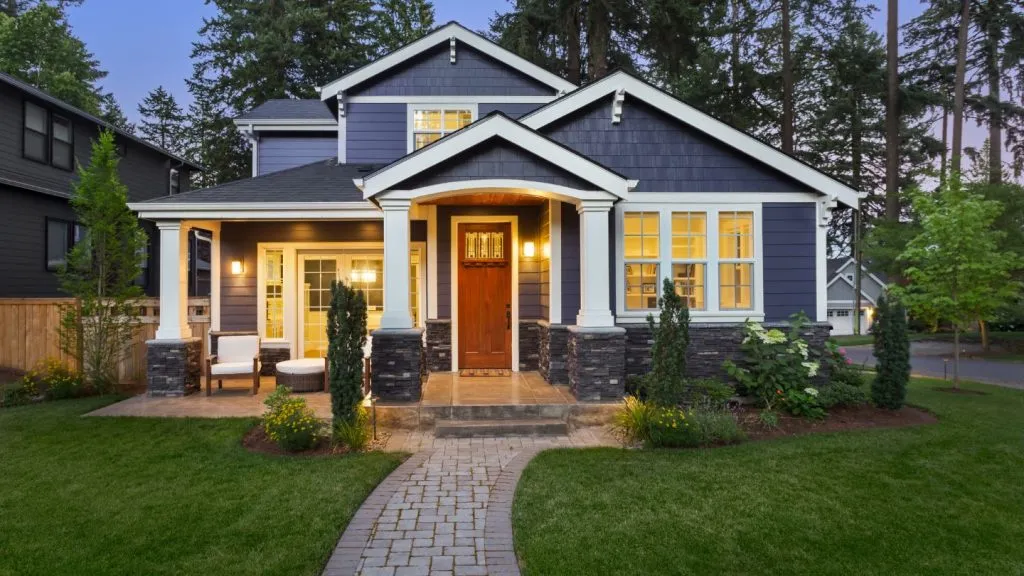
Building a custom home is an exciting journey, but it can feel overwhelming without a clear roadmap. This guide breaks down the process into simple, easy-to-follow steps. From choosing the perfect location to designing your dream space, we’ve got you covered. You’ll also find practical tips to avoid common pitfalls and ensure your project runs smoothly from start to finish. Get ready to turn your vision into reality!
Key Takeaways
- Start your custom home journey with thorough planning and consultation to align your vision with the builders and designers.
- Choosing and securing the right land is crucial, as it impacts your home’s design and construction process.
- Budgeting effectively and obtaining necessary permits upfront are key to avoiding financial surprises and delays during construction.
Initial Planning and Consultation
The commencement of the planning and consultation period marks the beginning of your custom home’s building process. It establishes a solid base for ensuring that the project goes smoothly. Engaging with a local real estate agent during this phase is extremely advantageous, as they can introduce you to trustworthy builders while also providing insights unique to your locality. At this stage, defining elements such as architectural preferences, functionality of each room, and design details are crucial in setting definitive expectations for your bespoke residence.
Familiarizing oneself with the nuances of constructing a home and seeking advice from experts can significantly reduce stress levels and enhance overall outcomes by streamlining time management efforts. Prompt discussions contribute to achieving consensus amongst all parties involved, from construction crews to design professionals.
This preliminary stage typically extends over a three to six-month duration before actual building begins, laying out an unobstructed path for initiating construction — a foundational step toward crafting an uninterrupted journey through every phase leading up to completion of your personalized abode.
Securing Your Land
Selecting the ideal parcel of land is a crucial initial step when you set out to construct a custom home. Both the location and attributes of your site will have a considerable impact on both the design and construction stages. It’s important to choose an area that aligns with your family’s requirements and way of life. Employing a local real estate agent could greatly assist in locating the perfect plot while also simplifying the complexities associated with securing it, thus saving time and preventing potential difficulties.
Once a prospective site has been pinpointed, it’s essential to perform an exhaustive survey of this property to ascertain its boundaries accurately, as well as uncover any potential risks present thereon. Conduct soil tests to confirm whether the ground beneath is capable of sustaining your new abode and assess proper drainage conditions. Examining past title records can reveal if there are outstanding liens or legal encumbrances attached to the property, thereby helping avoid unforeseen issues later on.
It’s imperative early in this process to also research zoning regulations, plus homeowner association rules, which may govern how much space you’re allowed for building. Understanding these constraints upfront is vital. Although acquiring land might initially appear intimidating, detailed organization coupled with dependable sources renders this venture both manageable and thrilling.
Bear in mind that whichever lot you settle upon will dictate not just how large, but where exactly within that space your house will sit, so make certain all such details tally up prior to committing fully by purchasing said parcel.
Read more: Best Practices for How to Decide Where to Build a House on Land
Designing Your Dream Home
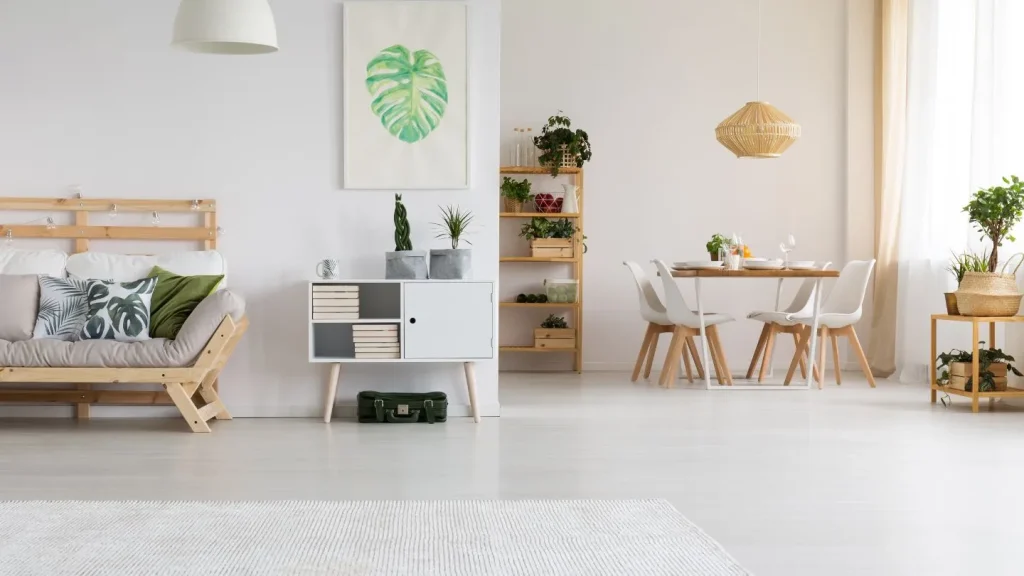
Embarking on the journey of custom home building starts with translating your dreams into a tangible blueprint. Engaging in dialogue with an architect or designer is the initial step towards crafting your bespoke residence. Opting for a dedicated custom architect or choosing from existing design drafts that resonate with your taste are viable paths to take during this stage, which can span four to eight months. These sessions focus on honing in on your aesthetic preferences and incorporating aspects that mirror how you live and what you stand for within the context of constructing a custom abode.
To enhance these collaborative meetings, bringing along details such as site specifics, local zoning regulations, and visual inspirations will greatly benefit the development process. Adept builders who are well-versed in creating tailor-made homes alongside architects and interior designers play an instrumental role in transforming preliminary concept sketches into detailed construction plans, ensuring each brainstorm materializes seamlessly while upholding every nuance of your vision throughout every phase.
When immersed in designing your future, remember it’s more than just shaping rooms. It’s about infusing them with personality through thoughtful choices starting from floor layouts down to minute decorative features — all guided by creative exchanges married with functional forethought so that when reality meets reverie they blend harmoniously into not just any house but one reflective of who you are—a true manifestation of aspiration blended perfectly within its walls.
Read more: Discover How Custom Home Builders Can Help You Design the Perfect Floor Plan
Budgeting for Your Custom Home

Allocating funds appropriately for your custom home is essential to the success of the project. It’s important to grasp how taxes might affect your overall financial planning in relation to what you paid for the property. To prevent unexpected fiscal demands, determine both your comprehensive budget and funding avenues prior to initiating design schematics. Maintaining transparency about what you can realistically spend will help keep your budget within practical limits.
Collaboration with seasoned experts can yield precise expenditure forecasts and assist in sticking closely to your budgetary constraints. Critical expenses that need consideration include aspects like laying down the foundation, acquiring a lot, erecting framing structures, and other fundamental components of building a home. Discerning between indispensable features and those that are discretionary allows for more judicious use of financial resources.
Methodical financial preparation is key when embarking on constructing a custom residence—it ensures that such an undertaking proceeds without undue economic pressure or worry.
Obtaining Building Permits
Securing building permits is crucial for maintaining adherence to local building codes and ensuring safety and compliance during your home construction project. These permits not only safeguard property values and insurance validity by confirming that all work meets code requirements, but also are key in upholding structural integrity. It’s important to acquire the necessary approvals from your local jurisdiction early on, ideally as one of the inaugural steps before commencing any construction activity.
To obtain a building permit, you typically need to provide an application detailing the specifics of your proposed project. Local officials responsible for building oversight can offer guidance on what’s needed for a permit in order to simplify this part of the process.
It’s important to note that obtaining both a permit and approval for a construction loan takes around one month. Planning ahead with these timeframes in mind is essential so as not to disrupt or delay the anticipated schedule of your building endeavor.
Site Preparation and Foundation Work
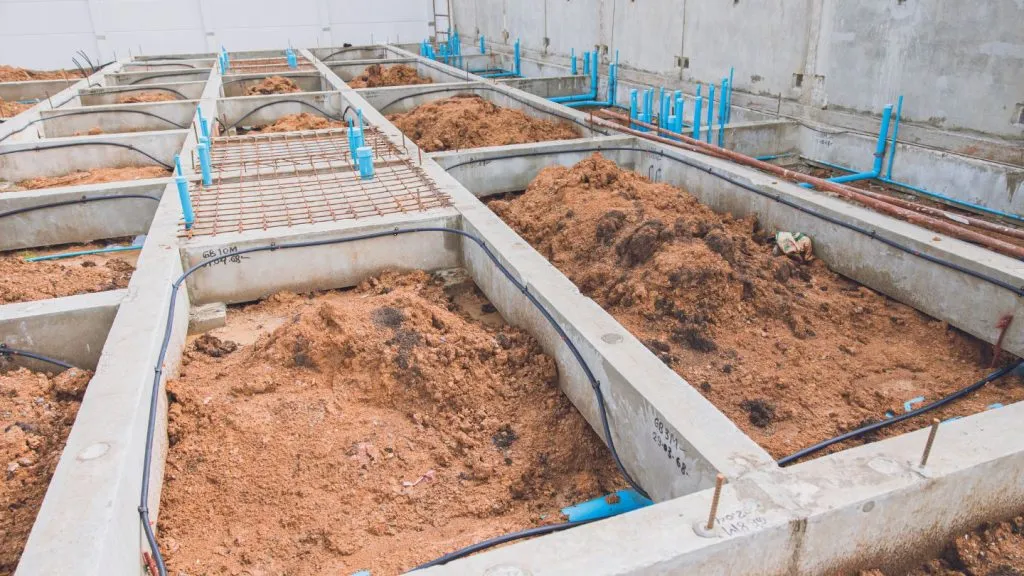
The initial actions to make your custom home a reality start with reading the site and laying the foundation. This process involves removing any trees, rocks, debris, and vegetation from the property. During this early stage of planning, builders evaluate the land to inform how they design your future home. Once cleared, it is essential that professionals grade the area properly to establish firm stability and effective water drainage so as not to encounter issues like water accumulation during pre-construction.
Groundwork for setting up a strong base involves excavating trenches tailored specifically for one of three prevalent types of foundations: slab on grade (slab), crawlspace, or full basement variants. It’s important that footings are placed at least one foot beneath where frost typically forms in order to prevent movement from seasonal temperature changes, thereby preserving structural stability over time. Concrete or brick masonry is often selected as a material for these critical components.
Following the pouring of material into your home’s foundation footprint comes an inspection period wherein authorities ensure everything conforms with established regional building standards. The final touches include leveling out rough patches on-site and employing tactics against soil erosion—fundamental steps which solidify groundwork necessary before actual construction begins atop what will become both a solid bedrock support system and an anchor point underscoring every element within the dream residence rising above it.
Framing and Structural Work
The process of rough framing involves the meticulous construction of your house’s basic structure, which encompasses the walls, floors, and supports for the roof. Accuracy is paramount during this phase to ensure that the structural integrity of your home is robust and conforms to all required safety regulations. Typically, this step utilizes wooden or steel beams to develop these essential structural elements.
Following a thorough inspection and approval of the foundation, your builder proceeds by removing any temporary forms used during its creation. Subsequently, they embark on orchestrating the exciting process of framing – an endeavor usually spanning one to two weeks – where materials such as lumber are assembled into walls, flooring systems, ceilings, and rafters for roofs.
Watching as rough framing gives shape to what will become your new house can be quite exhilarating. It’s when you start seeing how each space within your future abode will lay out in three dimensions.
Installing Major Systems
Before the interior of a building is finished, it’s vital to install key utilities like plumbing and electrical systems. During rough plumbing, water supply pipes and waste removal pipelines for areas such as kitchens and bathrooms are strategically placed within the installation process. After laying down the foundation, one of the initial steps involves setting up drains and sewer lines.
The electrical setup comprises activities like routing cables, fitting panels, and installing components of hvac (heating, ventilation, and air conditioning) systems alongside thermostats, lighting fixtures, power outlets, and circuit breakers. Both plumbing and electrical installations undergo scrutiny to verify adherence to established building regulations. This stage lays an indispensable groundwork for confirming that all primary systems in a structure have been installed properly and securely prior to progressing toward internal finishing touches.
Exterior Finishes
The aesthetic appeal and safeguarding of your custom home are heavily influenced by the exterior finishes you choose. Known for its energy-saving properties and resilience to pests, stucco is a favored choice in Western states where it’s commonly used. For homes exposed to harsh weather conditions, fiber cement siding provides an excellent defense against both fire and water damage. Due to enhancements in quality and thermal performance, vinyl siding has become increasingly appealing to property owners.
For those seeking the sophisticated appearance of stone without complex installation procedures or high costs, synthetic stone veneers offer a cost-efficient solution. Engineered wood siding presents an alternative that tends not only to be more budget-friendly compared to real wood but also comes with various finishing options. Specialized products like insulated vinyl are crafted for superior energy efficiency, aiming at reducing heating and cooling expenses.
Your selection of external finishes will greatly influence not just how attractive your residence appears from the outside, enhancing curb appeal, but also how much upkeep it will demand over time.
Interior Finishes
Maintaining a pleasant indoor environment and improving energy efficiency are key functions of interior finishes. During the installation process, drywall is secured and taped meticulously to make sure that all joints are invisible prior to applying paint. A primer layer of paint is put on after setting up the drywall, serving as groundwork for the ultimate coat.
As part of finishing touches within an interior space, components such as baseboards, moldings, and door frames are installed at this stage. The flooring materials, like ceramic tile, vinyl, or hardwood floors, come into play once wall painting has been completed.
It’s during this final phase of interior finishing that spaces inside begin reflecting personal taste and design preferences under the guidance of an interior designer, effectively turning them into habitable zones tailor-made for occupants’ use.
Final Touches and Fixtures
The finishing details and appointments give your custom-built residence its unique character. Once the electrical phase is concluded, installations such as light fixtures, outlets, and switches serve to finalize the home’s electrical framework. During the course of construction, a variety of plumbing elements are put in place within restrooms. These comprise items like taps, shower heads, commodes, and covers for heat registers.
Choosing appropriate cabinet hardware can dramatically alter both kitchen and bathroom ambiance, underlining their significance during installation processes. Modern appliances equipped with advanced features bring enhanced convenience alongside visual appeal into play, while high-quality paint offers practicality by improving aesthetic value and safeguarding wall surfaces against potential impairment.
In essence, it’s through these last enhancements that your house achieves its intended blend of allure and utility.
Landscaping and Outdoor Spaces
Landscaping significantly boosts curb appeal and fosters welcoming environments for outdoor activities. By thoughtfully designing your landscape, you can increase your property’s visual appeal and overall welcoming ambiance. This includes a variety of tasks such as laying sod, planting floral elements or trees, constructing pathways, erecting decks or patios, and building garden walls.
Introducing trees and shrubs not only adds beauty, but also provides much-needed shade to cool down these exterior areas for increased comfort. Effective landscaping plays an essential role in soil retention by reducing erosion while enhancing water conservation through minimizing runoff.
The inclusion of water features within a landscape not only augments its beauty but also has the potential to draw wildlife into your space. Strategic landscaping endeavors elevate both the aesthetic qualities and functionality of your outdoor living spaces.
Final Inspections and Walk-Through
The closing process necessitates final inspections to verify adherence to the permit and local regulations. A building official’s final approval signifies that the construction is in line with all relevant safety norms and guidelines. This ultimate scrutiny evaluates crucial components like plumbing, electrical systems, HVAC, and structural elements, including doors, windows, foundation, and roofing.
In conjunction with the builder, a concluding walk-through takes place to inspect the finishing details and ascertain that everything has been completed satisfactorily. Should any problems arise during this inspection phase, they must be addressed prior to advancing within the closing sequence of events. The purpose of this last review is two-fold: confirming all requests have been fulfilled accurately and scanning for potential damage or inconsistencies before moving forward with closing on building procedures.
Closing Process and Move-In
Completing the closing process is crucial for formally transferring property ownership from the builder to you, requiring several hours. This stage encompasses document signing and a thorough final inspection of your new construction home. You are expected to present legitimate identification, evidence of insurance coverage, and payment for any associated closing expenses when this day arrives.
Conducting a meticulous final walkthrough is imperative prior to occupying your new residence. It allows you to pinpoint any outstanding issues or necessary repairs before taking possession. Only after successfully navigating through the entire closing procedure and satisfying all inspection criteria are you permitted to inhabit your newly constructed custom home. At that point, keys will be handed over, signifying that your property is ready for move-in.
Turning Your Dream Home into Reality
Building a custom home is an exciting opportunity to create a space that perfectly fits your lifestyle and vision. From selecting the layout to choosing the final touches, the process offers unmatched personalization and fulfillment. While it may seem complex, working with experienced professionals ensures you can address challenges with ease and focus on the joy of seeing your dream home come to life.
If you’re ready to begin your custom home-building journey, Concord Homes is here to help. As leading custom home builders in Cleveland, TN, we combine expert craftsmanship, open communication, and reliable timelines to create homes designed around you. Whether you’re envisioning a unique sanctuary, a barndominium, or planning a thoughtfully crafted family space, we’re dedicated to exceeding your expectations. Contact us today and let’s build something exceptional together.
Frequently Asked Questions
Why is the initial planning and consultation phase important?
The initial planning and consultation phase is crucial because it lays the groundwork for your project by clarifying expectations and ensuring you have the right team in place. This step can make all the difference in your project’s success.
What should I consider when securing land for my custom home?
When securing land for your custom home, you should definitely check zoning laws, homeowner association rules, and existing infrastructure, plus get site surveys and soil tests done to ensure the land is suitable for your build. It’s all about finding the right fit for your dream home!
How long does the design process typically take?
The design process for a custom home usually takes around four to eight months, influenced by your choices and teamwork with your architects and designers. So, it’s essential to stay engaged throughout the journey!
What are some major costs to consider when budgeting for a custom home?
When planning your finances for a custom home, it’s essential to account for expenses such as purchasing land, obtaining permits, and costs associated with the foundation and framing. These fundamental elements can greatly influence your total budget, so make sure to allocate funds carefully!
What happens during the final inspections and walk-through?
During the final inspections and walk-through, you’ll make sure everything meets building codes and take a close look with the builder to confirm that all the finishing touches are just right before you move in. It’s your chance to ensure everything looks perfect!