
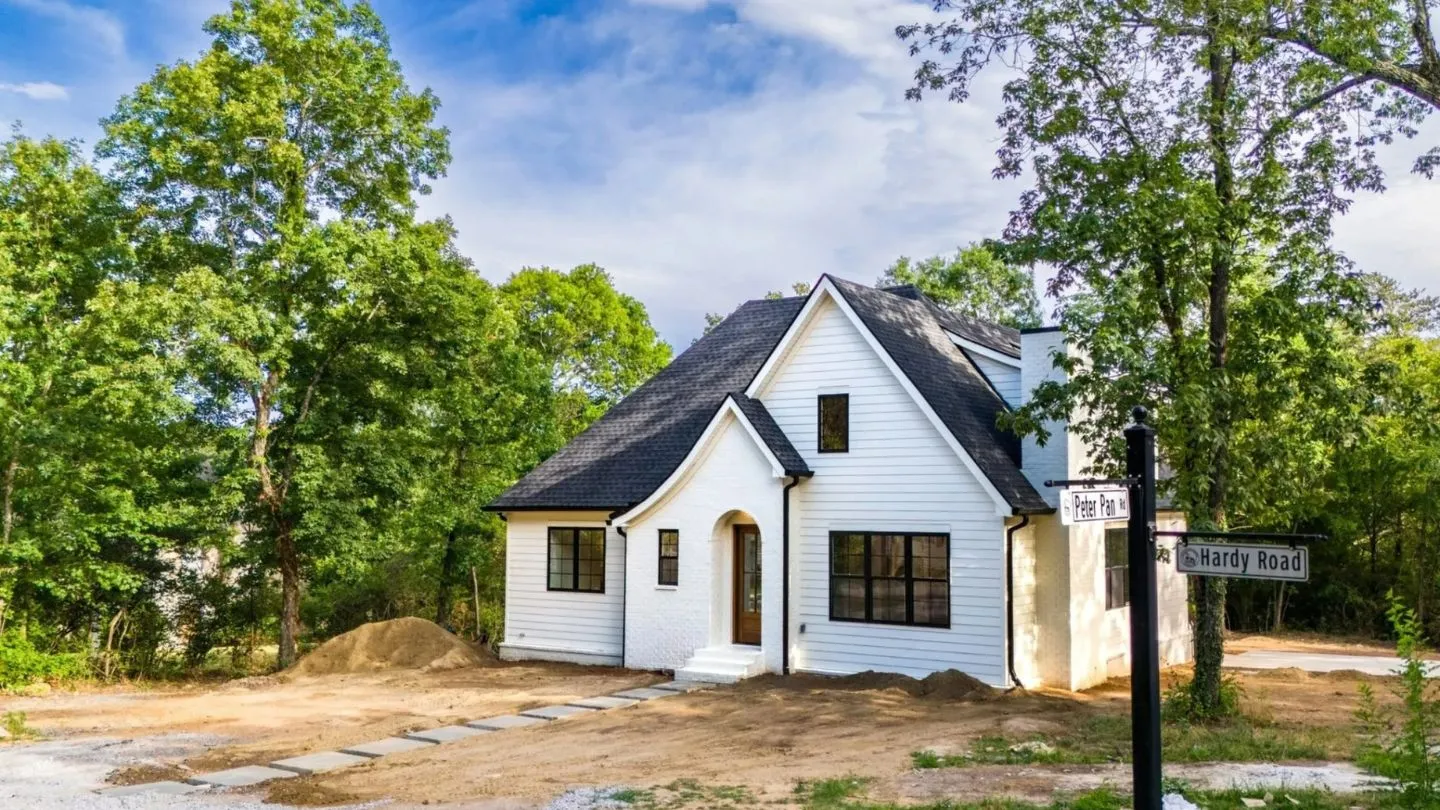
Are you planning to build a custom home in Bradley County? This essential checklist for building a custom home in Bradley County covers everything you need to know, from finding the ideal lot to finalizing the details. Follow this blog to make your dream home a reality with ease.
Key Takeaways
- Finding the right lot sets the stage for your custom home; consider location, features, and personal lifestyle before making a choice.
- A well-designed floor plan is crucial; it should reflect your family’s needs and preferences while allowing for future changes as life evolves.
- Incorporating energy-efficient and sustainable practices not only enhances comfort but also offers long-term savings, making modern home building environmentally friendly and cost-effective.
Finding the Perfect Lot
The first step in building your dream home is finding the perfect lot. This decide lays the foundation for everything that follows, quite literally. The location and features of the land can significantly influence the design and functionality of your home. So, how do you choose the ideal spot?
Imagine a tranquil morning, sipping coffee on your porch, surrounded by the natural beauty of Bradley County. The location of your home should not only be a great place to live but should also reflect your lifestyle and values. Perhaps you prefer a secluded lot surrounded by nature, or maybe you prefer the vibrancy of a neighborhood community. Whatever your preference, it’s crucial to ensure that your chosen lot aligns with your personal story.
If you haven’t purchasing the property yet, don’t worry; assistance is available to help you find a property that meets your needs. The right lot will set the stage for your dream home, so take your time to explore different options and notice the unique characteristics of each potential site.
The lot you choose should resonate with your vision for your home. Whether it’s a scenic hillside or a cozy cul-de-sac, the perfect lot is out there waiting for you. Taking the time to find it will pay off in the long run, as it will influence the design, feel, and functionality of your custom home.
Crafting Your Custom Floor Plan

Once you’ve secured the perfect lot, the next step is to craft a custom floor plan that suits your needs and lifestyle. A well-thought-out floor plan ensures your custom home builder can create a space that is both functional and beautiful. Consider how your family transitions through different stages of life, your entertainment needs, and the importance of outdoor spaces.
Creating a floor plan that accommodates these factors makes it easier to stick to a budget and create a functional design. Think about the non-negotiable items in your home, such as the specific number of bathrooms or bedrooms you need. These must-haves will guide the overall layout and ensure that your home meets your everyday needs.
Consider the orientation of the house on the lot to maximize natural light and views. This enhances the aesthetic appeal of your home and contributes to energy efficiency. Collaborating with a licensed architect and engineers ensures detailed construction plans that comply with building codes and bring your vision to life.
Your custom home builder will help select a floor plan that includes all your must-haves and fits the shape of your lot. This collaboration ensures the layout of your custom homes is both practical and personalized to your unique needs.
Whether you dream of a Mediterranean style home with open courtyards or a modern design with sleek lines, the floor plan is the structure for your dream home. Take the time to create a layout that truly reflects your lifestyle and preferences.
Designing the Home’s Exterior
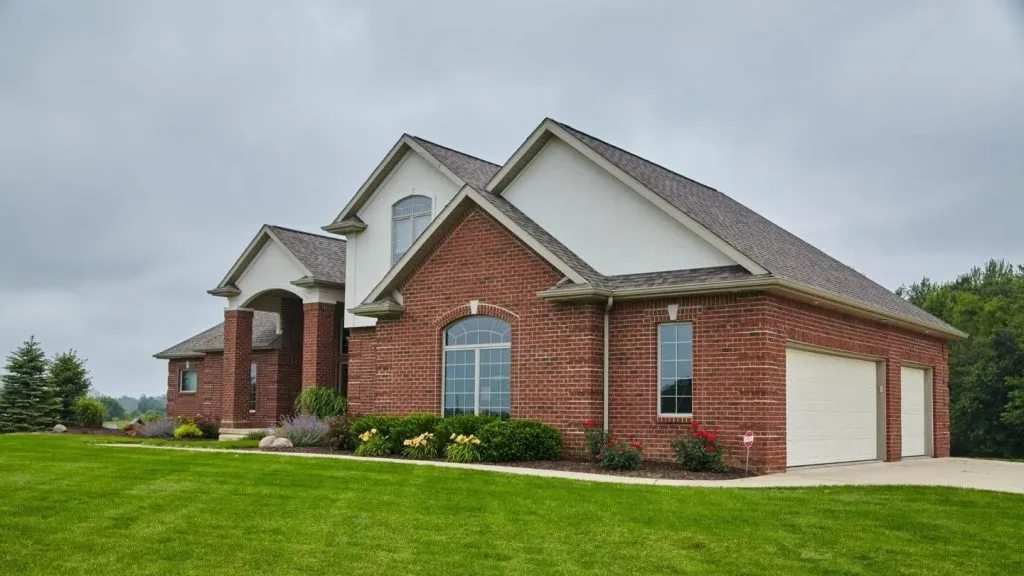
The exterior of your home is the first thing people notice, and it sets the tone for the entire property. Designing the home’s exterior involves selecting colors, materials, and landscaping that enhance curb appeal and reflect your personal style. Choosing the right exterior colors can significantly enhance a home’s first impression and set its overall ambiance.
Accent colors on elements like the front door and window shutters can effectively draw attention and add character to the exterior. For a modern and sophisticated look, a monochromatic color scheme using different shades of the same color can be effective. Natural materials such as stone and wood can add a warm, inviting aesthetic to your home’s exterior design.
Landscaping enhances curb appeal and reflects the homeowner’s personal style. Outdoor lighting, fire pits, and patios expand living spaces and provide areas for entertaining. These elements add beauty and functionality to your outdoor spaces.
The design process involves ongoing collaboration between clients, architects, and engineers to ensure the floor plan aligns with the exterior design. This collaboration ensures that your dream home is cohesive inside and out, creating a harmonious living environment.
Your home’s exterior is more than just walls and doors; it showcases your style and personality. Thoughtful design choices can turn an ordinary house into a stunning dream home.
Read more: The Impact of Custom Homes on Property Value and Resale Potential
Personalizing Interior Spaces
Once the exterior is designed, it’s time to focus on personalizing the interior spaces of your home. Foundational design choices greatly influence the style inside your home. Creating accurate interior elevations is crucial for achieving a comprehensive design that addresses three-dimensional layouts.
Before making any interior design selections, consider the following steps:
- Research each element thoroughly, from paint colors to flooring materials.
- Remember that every choice contributes to the overall feel of your home.
- Add personal touches to the primary suite.
- Address specific needs for additional bedrooms and bathrooms to personalize these spaces.
Key design strategies for a room include:
- Using larger furniture pieces to provide a strong foundation and prevent clutter.
- Choosing colors thoughtfully, such as painting ceilings a darker shade to create a cozier atmosphere in high-ceilinged rooms.
- Incorporating repetitive patterns in accessories to unify the visual appeal of a room with varied furniture pieces.
Your dream home should mirror your unique tastes and styles. Whether you’re dreaming of a Mediterranean style home with rich textures and warm colors or a modern minimalist design, personalizing interior spaces allows you to infuse your personality into every corner of your dreams, providing endless inspiration.
Read more: How to Personalize Your Custom Home Design
The Heart of the Home: Kitchen Design
The kitchen is often considered the heart of the home, where family and friends gather to cook, eat, and create memories. Choosing the right layout greatly impacts a kitchen’s functionality and overall cooking experience. Different kitchen layouts offer various benefits, so choose one that suits your needs.
Different kitchen layouts and their characteristics:
- U-shaped kitchens use three walls for effective workspace and storage, ideal for multiple cooks.
- L-shaped kitchen designs maximize corner space and offer flexibility for islands or additional dining areas.
- Galley kitchens are efficient in narrow spaces, featuring two parallel walls to optimize workflow.
- G-shaped kitchens expand on U-shaped designs with a peninsula, providing more storage and workspace.
Different kitchen layouts offer various advantages:
- Island layouts: Excellent for entertaining, offering extra prep space, storage, and seating.
- Single-wall kitchens: Streamline appliance placement for compact spaces, ideal for studios or small homes.
- Peninsula kitchens: Enhance functionality like islands, offering extra counter space in limited areas, providing an advantage.
Open-concept kitchens promote social interaction and natural light flow between cooking and living areas. The right kitchen layout, combined with thoughtful design choices, can turn your kitchen into a functional and inviting space that truly feels like the heart of your home.
Read more: How Home Contractors Transform Your Kitchen?
Essential Functional Spaces
Beyond the main living areas, essential functional spaces like the laundry room, pantry, and mudroom play a crucial role in the overall functionality of your home. The square footage of your home influences the size of these spaces. Additionally, their function is shaped by your specific needs. Having a plan for functional spaces maximizes their utility and organization.
Designing a mudroom effectively enhances organization and utility within a home. A well-placed drop zone in a mudroom prevents clutter from spreading into the main living areas. A seating area with shoe storage helps keep the mudroom organized and accessible.
Customizing cabinets in essential spaces ensures storage solutions meet specific family needs. Strategically designed cabinetry provides hidden storage for cleaning supplies and pet items. Open storage solutions in the laundry room and mudroom simplify access to frequently used items.
Distinct functional areas in larger rooms enhance their usability and comfort. Visual dividers like area rugs or curtains help delineate spaces within a large room. Incorporating a space for children, like a reading nook, enhances the home’s functionality and family-oriented design.
A well-functioning home relies on the thoughtful design of these essential spaces. Customizing them to your needs created a home that is both practical and organized.
Energy Efficiency and Sustainability
Building an energy-efficient and sustainable home benefits the environment, enhances quality of life, and can lead to significant savings on energy costs. A comprehensive approach to energy efficiency considers the interaction of components like insulation, heating, and appliances.
Ultra-efficient homes combine modern energy-efficient construction with renewable energy systems like solar panels. Advanced house framing techniques minimize lumber usage and increase energy efficiency. Cool roofs reflect sunlight and reduce heat absorption, making homes cooler in warmer climates.
Passive solar design optimizes natural sunlight for heating and cooling, reducing reliance on mechanical systems. Smart home technology enhances convenience and energy efficiency, making modern living more streamlined.
Incorporating energy-efficient features and sustainable practices is essential for modern home building. Focusing on these elements creates a home that is comfortable, stylish, environmentally friendly, and cost-effective.
Navigating the Building Process
Navigating the building process can be complex, but understanding the steps involved makes it more manageable. Understanding local regulations is crucial since each area has specific zoning laws and building codes. A complete application packet for building permits includes all necessary documents and detailed build construction plans.
The review process for building permits can take several weeks to months, depending on the project’s complexity. Inspections occur at critical construction stages, such as framing and plumbing, to ensure compliance with approved plans. A Certificate of Occupancy is issued after final inspection, confirming the building meets all safety and code requirements.
Setting aside a contingency fund of 10-15% of the total budget helps manage unexpected costs in construction. Incorporate long-term expenses, including property taxes and insurance, into your budget planning to avoid future financial strain.
Designing a custom home often requires iterative refinements to the floor plan based on functionality and architectural requirements. Patience is important during the home building process as permits and inspections can take time.
Understanding and preparing for each step allows you to navigate the journey of the building process with confidence and ensure your custom home is built to your specifications, backed by a proven track record.
Read more: Home Construction Process: Step-by-Step Guide
Budgeting and Financing
Budgeting and financing are critical aspects of building a custom home. Custom home financing typically involves two phases: short-term construction loans that cover building costs, and long-term permanent mortgages that come into play after construction. Construction-to-permanent loans allow homeowners to combine both the construction loan and the mortgage into one, resulting in only one closing process.
Standalone construction loans require refinancing into a separate mortgage after home completion, which may incur additional closing costs. Getting pre-approved for financing clarifies your budget and demonstrates commitment to lenders, speeding up the loan process.
Incorporating energy-efficient elements in home design leads to significant savings on energy costs and enhances comfort. A home energy assessment identifies energy use patterns and suggests effective strategies for reducing consumption. Planning ahead and understanding the financing options available ensures your custom home project stays on budget and meets your financial goals.
Final Touches and Custom Features
Final touches and custom features truly make your custom home unique. Custom features in a home building checklist ensure the design matters to you. This is where your personality and style shine through, adding those special details that turn a house into a home that is completed.
Incorporate small-scale special features in the mudroom. Ideas include drinking fountains, hidden outlets, and heated tile floors. These thoughtful additions can enhance comfort and convenience in everyday life. Extra features can include green construction elements, a custom outdoor kitchen, a shop, a security system, and an office with a special entrance, along with renovations.
Built-in furniture, such as custom shelving or seating, maximizes space and adds unique character to your home. These elements provide practical benefits and contribute to the overall aesthetic and functionality of your living spaces.
With so many options available, prioritize the custom features that will enhance your lifestyle the most. Whether it’s a luxurious spa-like bathroom, a state-of-the-art home theater, or a cozy reading nook, final touches make your home feel truly yours.
Making Your Dream Home a Reality
Building a custom home in Bradley County is a rewarding process that requires thoughtful planning and attention to detail. From selecting the ideal lot to finalizing design elements like floor plans, kitchen layouts, and energy-efficient features, every stage plays a vital role in bringing your vision to life. This guide has outlined the essential steps to help you navigate your custom home journey with confidence.
At Concord Homes, our team of experienced custom home builders in Bradley County, TN is committed to turning your ideas into a lasting reality. With a focus on quality craftsmanship and personalized service, we ensure that each home reflects the unique lifestyle and values of its owner. Contact us today and let us help you take the next step toward building the home you’ve always imagined.
Frequently Asked Questions
1. How long does it take to build a custom home?
The timeline for building a custom home can vary based on factors like weather, permitting, and design complexity, but most projects take between 6 to 12 months from start to finish.
2. Do I need to own land before contacting a custom home builder?
Not necessarily. Many builders can help you find and evaluate potential lots before you make a purchase to ensure the land fits your vision and budget.
3. Can I make changes to the floor plan during construction?
Minor changes may be possible, but significant alterations can affect the timeline and budget. It’s best to finalize your design before construction begins.
4. What should I include in my custom home budget?
In addition to construction costs, budget for permits, utility connections, landscaping, furniture, and a contingency fund for unexpected expenses.
5. What are the benefits of building a custom home over buying an existing one?
Building a custom home allows you to tailor every detail, from layout and finishes to energy efficiency and smart features, so it meets your exact needs and style preferences.