
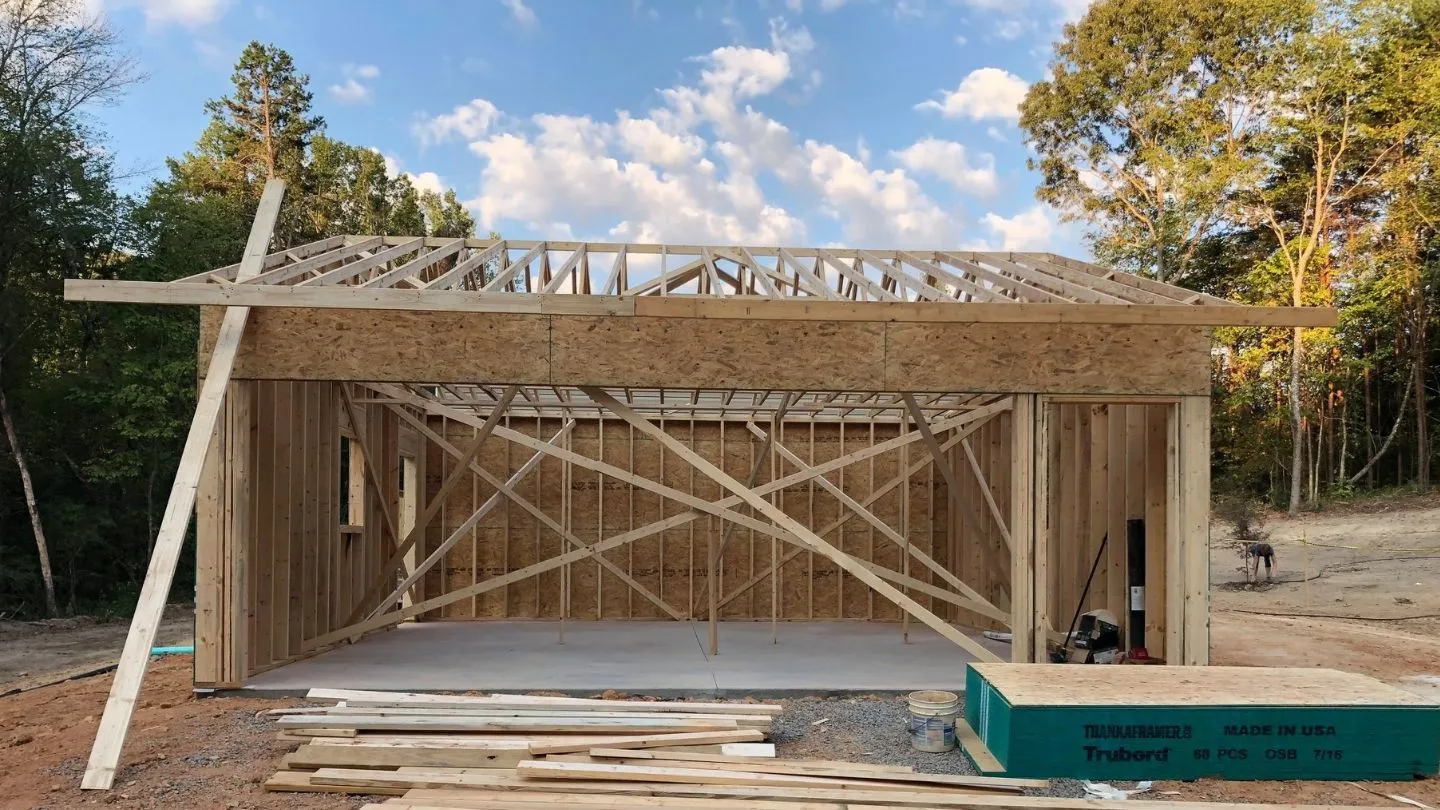
Building a home is one of the most significant investments you’ll ever make, and understanding the process from start to finish is essential for a seamless experience. From early planning and budgeting to site preparation, construction phases, and final walkthroughs, each stage demands careful attention. A structured approach helps avoid costly delays, ensures compliance with local regulations, and maintains quality standards. This blog breaks down every step of the home construction journey, giving you the clarity and confidence needed to bring your dream home to life.
Key Takeaways
- Start your home building journey with detailed planning and budgeting to avoid unexpected costs and ensure a smooth process.
- Each construction phase, from site preparation to interior finishes, is crucial for the overall integrity and aesthetics of your home.
- Trust a reliable builder that prioritizes quality, transparency, and customer satisfaction to help realize your dream home.
Initial Planning and Budgeting
Building your dream home starts with a clear vision. Think about the size, style, and function of your future home as it relates to your lifestyle. Are you envisioning a cozy cottage or a sprawling modern mansion? This vision will guide the entire construction process of building a house, so define it carefully.
Budgeting is crucial. Here are some key points to consider:
- The average cost to build a house varies.
- Allocate no more than 20% of your total budget to the building site to keep construction costs manageable.
- Allow for unexpected expenses within your budget.
Selecting the right plot is equally important. Make sure it aligns with local zoning laws and building regulations to avoid complications with the local municipality, as this makes sense. This ensures your home can be built as planned without legal issues.
Smart planning can maximize storage in your new home construction by integrating built-in cabinetry, multi-functional rooms, and strategic closet layouts. Early design decisions help ensure every square foot is effectively utilized for long-term convenience. Including this consideration early in the planning phase ensures that future space constraints are minimized.
Site Preparation and Foundation Work
Once your plans are set, prepare the site. This involves clearing and leveling the land to create a stable foundation. Ensure the area around the home’s perimeter is cleared of brush and debris, ideally at least 25 feet, to provide a clean slate and reduce fire hazards and pest issues.
Soil stability is critical during site preparation. Proper soil compaction before foundation work prevents future settling. Additionally, anti-termite treatment before pouring concrete protects against termite damage, ensuring the longevity and stability of your home.
Foundation work involves the following steps:
- Digging footings at the correct depth based on soil type and building load requirements.
- Pouring a stem wall to connect the footings and slab after excavation.
- Using reinforcement steel, or rebar, to enhance the strength of concrete foundations.
Understanding what you need to know about home construction safety is vital to avoid accidents and meet building codes. Safety-focused planning protects workers, ensures proper site management, and reduces costly project delays.
Framing and Roofing
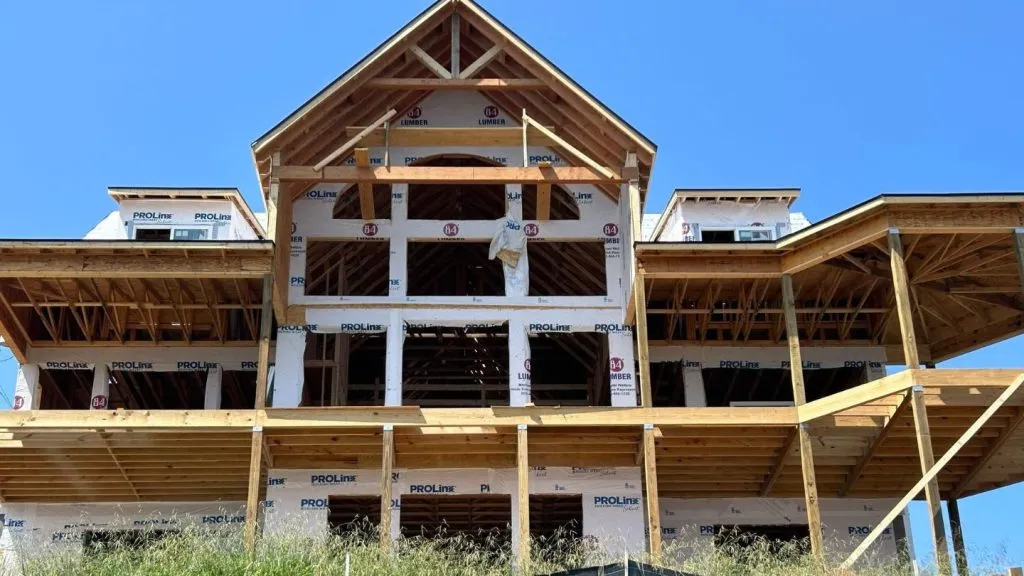
With the foundation set, the next phase is framing, which involves building the framework for walls, roofs, and floors, shaping the house’s structure. Framing defines the structural integrity of floors, walls, and roof trusses, acting as the skeleton of your home. Its quality determines the overall stability of the frame building.
The framing process includes:
- Installing essential elements such as windows and exterior doors, alongside the main structure.
- Roofing, which involves siding and window installation for weatherproofing.
- Roof framing, which is vital for supporting the roof and ensuring the house’s overall stability.
Regular inspections of roof framing help identify issues like sagging or water damage early, including potential wood rot. Sheathing applied over the roof framing serves as a base for weatherproof materials, enhancing durability. These steps ensure your roof is strong and resistant to the elements.
Installing Essential Systems
After framing and roofing, it’s time to install essential systems. Gas and waste lines are generally the first utilities installed, followed by plumbing supply lines for water. These steps ensure the basic utilities are in place and ready for use.
The sequence and timing of installations in home construction are as follows:
- Complex HVAC systems might be prioritized before plumbing and electrical installations.
- Electrical installations commence once the home is sufficiently dried to protect components from weather exposure.
- The layout of plumbing, electrical, and HVAC systems is typically established during the rough-in stage.
Planning for electrical outlets, switches, and light fixtures, including custom features, is an essential part of electrical work installation. This ensures your home is functional and meets your specific needs.
Insulation and Drywall
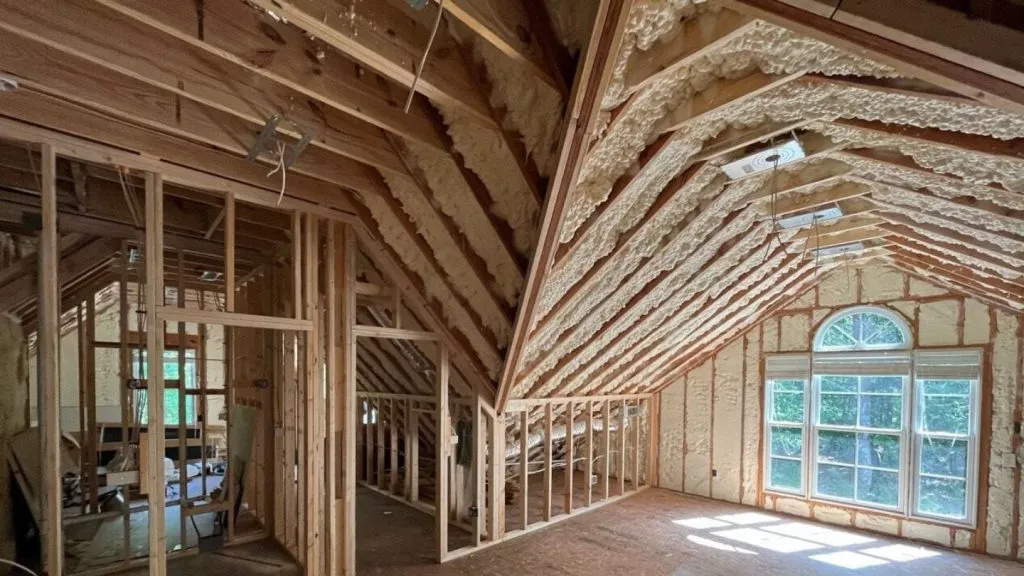
Insulation is crucial for creating an energy-efficient home, significantly influencing heating and cooling effectiveness. Various types of insulation include:
- Batt or blanket
- Loose-fill
- Blown-in.
Each serves unique installation needs. Choosing the right type of insulation to install can significantly impact your home’s energy efficiency.
After insulation is installed, drywall is placed over the framework, transforming the space from a construction site to a more finished appearance. Hanging drywall involves securing it with screws and applying joint compound to cover seams and provide a smooth finish.
Interior Finishes
During the interior finishes phase, elements like:
- Hardwood flooring
- Carpeting
- Countertops
- Cabinets are installed.
This stage is where your home’s interior starts to take on its final look and feel. Homeowners can select from a wide array of finishes, including different materials and styles for the interior elements.
The installation of light fixtures also occurs during this stage, adding to the home’s aesthetic and functionality. Interior finishes significantly contribute to the overall design and personalization of a home, reflecting the owner’s style, giving it the green light for a unique touch.
This stage is critical as it finalizes the home’s painted interior look, setting the stage to begin complete personal touches before move-in is completed.
Exterior Finishes
Exterior finishes for homes include materials such as brick, stone, stucco, and various types of siding. Each material has its own advantages. For example, stucco provides insulation and is suitable for dry climates, while vinyl siding is versatile and low-maintenance.
Installing windows and exterior doors completes the look of exterior finishes and ensures proper weather protection. Appropriate exterior finishes and proper installation of windows and doors enhance aesthetic appeal and shield against environmental elements.
Read More: The Essential Guide to Home Building Materials and Features
Landscaping and Driveways
The landscaping process typically begins with a consultation to assess client needs and examine the site. Designing a landscape involves creating detailed plans that account for materials and the overall vision before construction starts.
Installation of landscaping features includes obtaining necessary permits and can vary in duration based on project size and conditions. Enhancing curb appeal through landscape design often incorporates elements like walkways and a driveway that complement the home’s aesthetics.
Final Inspections and Walkthrough
The final step in the home building process involves conducting final inspections and walkthroughs to ensure safety standards and building codes are met. A checklist is typically provided during the final inspection to help identify issues.
During a final walkthrough, the home is inspected to identify any issues before occupancy. A detailed walkthrough can reveal minor repairs that need to be addressed before moving in. Homeowners are encouraged to attend for a firsthand understanding of their new home.
Homebuilders ensure that any concerns identified during the builder walkthrough are resolved before move-in.
Closing and Move-In
Understanding the role of a home construction company in custom home design clarifies how builders translate concepts into reality. Their collaboration with architects and designers ensures structural integrity, budget control, and adherence to local regulations. Learn more about the home-building process and how expert support makes turning your vision into reality easier.
The closing process entails signing documents and officially transferring property ownership. After closing, arrange for utilities to be activated in your new home. Plan your move in conjunction with setting up utilities.
Post-move-in assistance is available to help homeowners settle into their new environment, ensuring a smooth transition and helping you quickly adapt to your homeowners association and a local real estate agent for your new home.
Final Thoughts
Building a home is a complex yet rewarding process that demands careful planning and precise execution. From defining your vision and setting a budget to site preparation, framing, system installations, interior and exterior finishes, landscaping, and final inspections, each phase plays a critical role in shaping a safe, functional, and beautiful living space. This step-by-step guide outlines every stage of construction, helping you stay informed, anticipate challenges, and ensure a smooth transition from foundation to move-in day.
Partnering with an experienced home construction company in Bradley County, TN, such as Concord Homes, which provides the expertise and oversight required for a successful build. Our proven methods and commitment to quality give homeowners confidence that every detail, from permits and inspections to design and finishing touches, meets the highest standards, turning a dream home into reality.
Frequently Asked Questions
Why is site preparation important?
Site preparation is crucial because it ensures a stable foundation for construction by clearing and leveling the land. This sets the stage for a successful building project.
What are the benefits of insulation in a home?
Insulation is key for an energy-efficient home, as it enhances heating and cooling effectiveness, helping you save on energy bills. Plus, it contributes to overall comfort by maintaining a consistent temperature throughout your space.
What does the final walkthrough involve?
A final walkthrough typically involves inspecting the home to catch any issues before you move in. It’s your last chance to ensure everything is in order!