
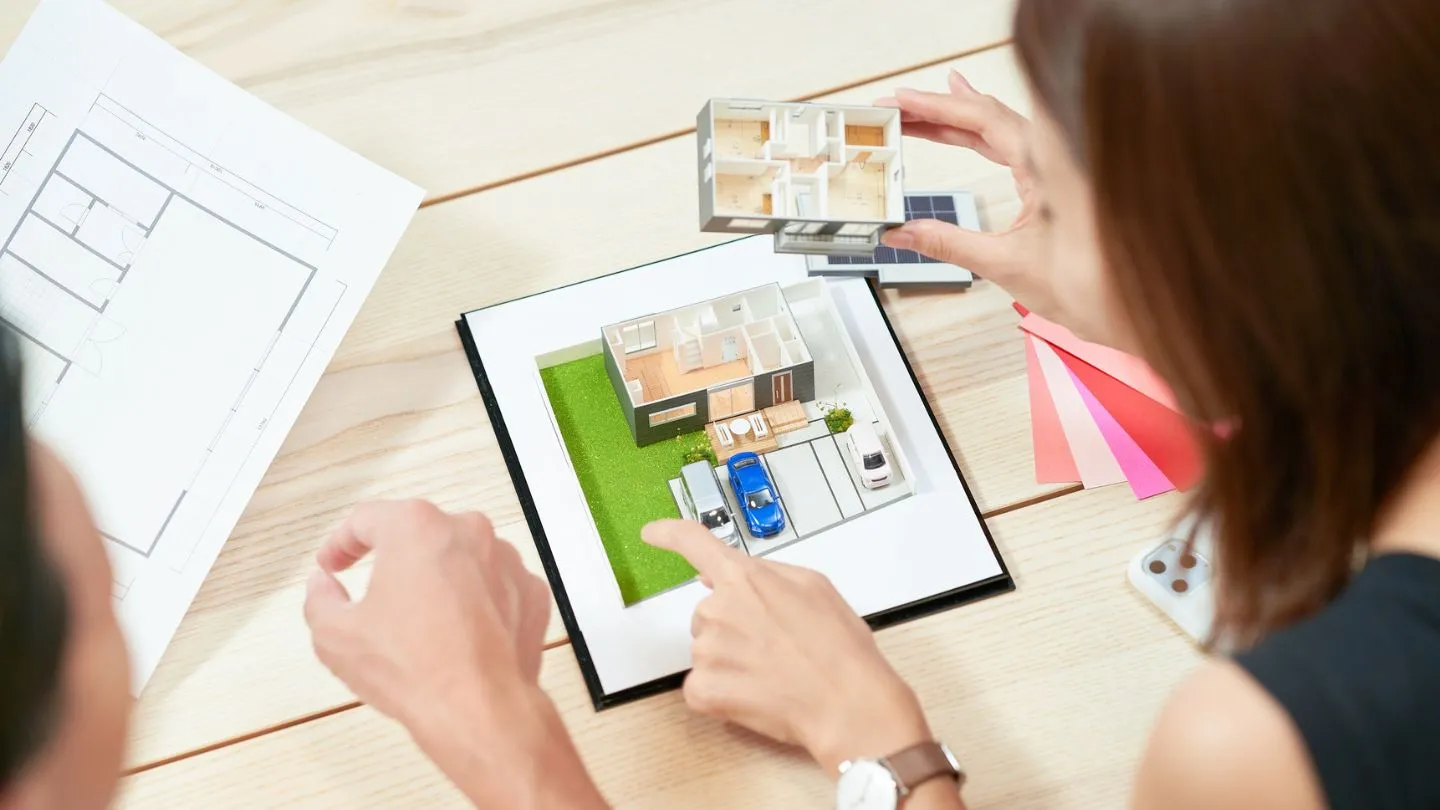
The layout of your home plays a crucial role in defining its functionality, comfort, and overall appeal. Choosing between an open and traditional floor plan impacts how your household interacts, utilizes space, and experiences daily living. Each design offers unique advantages tailored to different lifestyles and preferences. Understanding the distinctions between them helps homeowners make smarter architectural decisions. In this blog, we’ll explore the benefits, drawbacks, and practical considerations of both floor plan styles to help you decide which best fits your home.
Key Takeaways
- Open concept floor plans promote seamless flow between spaces, enhancing natural light and facilitating social interaction.
- Traditional floor plans provide greater privacy, defined spaces, and better energy efficiency due to their enclosed room designs.
- Each floor plan type has its drawbacks, with open concepts facing issues like noise travel and higher energy costs, while traditional layouts may limit natural light and social engagement.
Understanding Open Concept Floor Plans
An open concept floor plan consists of connected common spaces without partition walls, promoting a seamless flow throughout the home. The primary difference between open concept and traditional floor plans lies in the minimal use of walls, which creates a unified living space that can adapt to various needs and activities.
Key components of an open concept layout include:
- Combined areas such as the kitchen, dining room, and living room, often referred to as a great room.
- Elimination of barriers, allowing for an unobstructed view across these spaces.
- Use of decorative elements like columns or visual dividers to subtly define different areas without disrupting the open feel.
The popularity of open concept floor plans has steadily increased, becoming a standard in new home construction. These layouts create the illusion of more space by removing walls and doors, providing a spacious feel that is ideal for entertaining and everyday living. Open concept homes tend to offer a modern, aesthetically pleasing environment that many homeowners find desirable.
Read more: New Home Features to Consider for Your Custom Home
Benefits of Open Concept Floor Plans
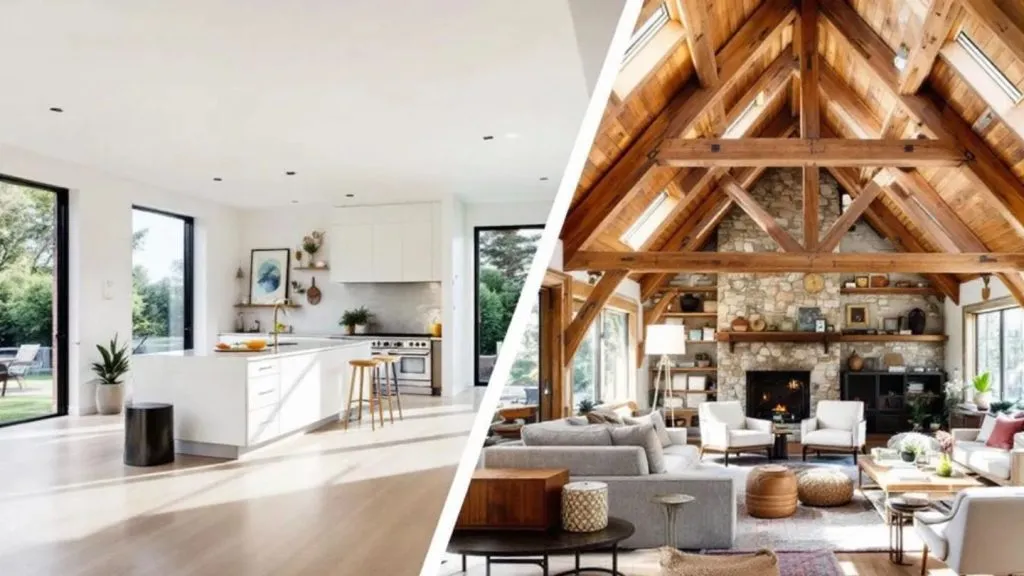
Open concept floor plans offer several significant advantages that make them appealing to many homeowners. Enhanced natural light, improved social interaction, and flexible space usage are among the top advantages, creating a living environment that is both bright and inviting.
Enhanced Natural Light
One of the standout benefits of an open concept floor plan is the enhanced natural light it brings into the home. Removing interior walls and eliminating walls allows light from windows and glass doors to flow through larger spaces, brightening and making rooms more inviting. Increased natural light enhances the home’s aesthetic appeal and creates a more pleasant and uplifting atmosphere.
Open concept designs often feature architectural elements like vaulted ceilings and exposed beams, which further enhance the natural light. The unobstructed views from one end of the home to the other connect indoor and outdoor spaces, maximizing the amount of natural light that filters into the living areas. This seamless flow of light creates a spacious feel that many homeowners find desirable.
Improved Social Interaction
Open concept floor plans facilitate better social interaction by removing barriers between living spaces. This open layout encourages family members and guests to connect more easily, fostering a sense of togetherness. Whether it’s preparing meals while chatting with guests or keeping an eye on children playing in the living room, the open design makes it easier to engage in lively conversations with others.
Open concept homes are ideal for hosting and entertaining guests at large gatherings. Guests can mingle freely between the kitchen, dining, and living areas without interruption, creating an inviting atmosphere and a lively and dynamic atmosphere in the open concept space. Ease of movement and visibility improve the entertaining experience, making social gatherings more enjoyable and memorable in open concepts.
Flexible Space Usage
Another benefit of open concept floor plans is their flexibility in space usage. The absence of walls allows for greater freedom in arranging furniture and adapting the space to suit evolving needs. Homeowners can create multifunctional areas that serve various purposes, from a home office to a play area for children.
However, this flexibility can sometimes result in clutter and a lack of organization in messy areas. Despite potential issues, the ability to easily rearrange furniture and the spacious feel of open areas make these floor plans highly adaptable to various lifestyles.
Drawbacks of Open Concept Floor Plans
While open concept floor plans offer numerous benefits, they also come with potential drawbacks. Issues such as noise travel, lack of privacy, and higher energy costs can impact the overall functionality and comfort of these homes.
Noise Travel
One of the significant drawbacks of open concept floor plans is noise travel. In these layouts, sound travels easily between areas, making it challenging to manage noise levels during quiet activities. This can be especially challenging for families with children or those needing a quiet environment for work or relaxation.
Traditional layouts offer better noise control with separate rooms, minimizing sound transfer and creating quieter spaces. Effective noise control is crucial for activities that require concentration, making traditional layouts favorable in such situations.
Lack of Privacy
Open concept floor plans often create a more communal living space that lacks private areas, impacting daily life. Families may find it difficult to carve out quiet, personal spaces or a large space due to the seamless design. This lack of privacy can be challenging for those who need a quiet area for work, study, or relaxation in an open space.
Higher noise levels can also make it difficult to concentrate on certain activities. When considering an open concept design, it’s essential to weigh the benefits against the potential loss of privacy.
Higher Energy Costs
Larger open spaces in homes generally require more energy to heat and cool effectively, leading to higher energy costs. Open concept floor plans often feature expansive areas that can affect energy efficiency. This increased energy usage can impact the overall budget, making it a significant consideration for homeowners.
Room layout significantly influences energy efficiency, a crucial factor in home design. Traditional floor plans, with their enclosed rooms, typically offer greater efficiency in heating and cooling. This can lead to significant savings on utility bills over time.
Understanding Traditional Floor Plans
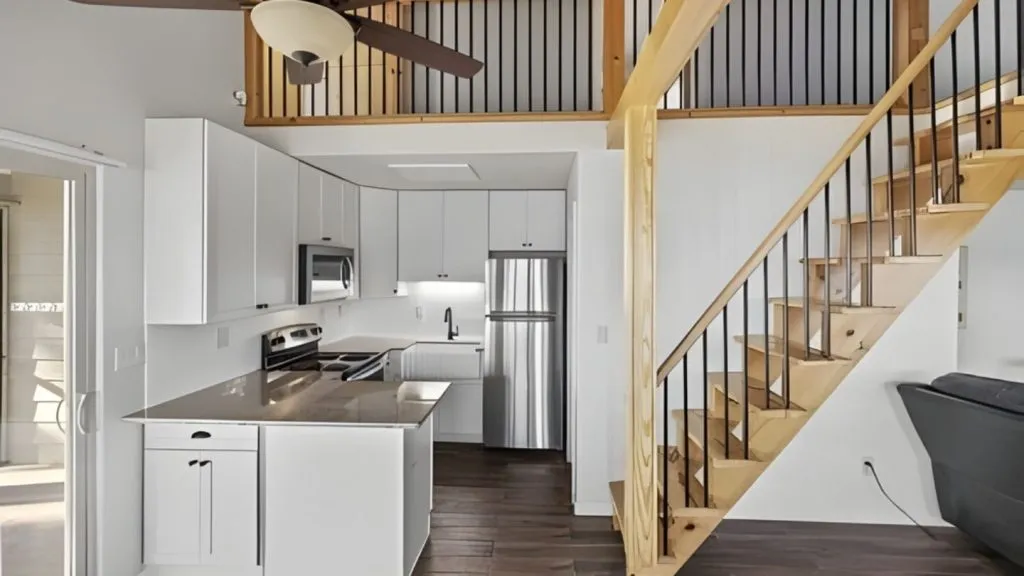
Traditional floor plans are characterized by distinct and separate rooms for various purposes. This design style, which was historically seen as a sign of wealth, provides well-defined spaces that serve specific functions. Each room in a traditional layout has a clear purpose, contributing to an organized and structured living environment.
Separate, single-use individual rooms ensure activities can be conducted without interference from other household members. These separate spaces maintain privacy and reduce disturbances, creating a more peaceful home.
Benefits of Traditional Floor Plans
Key benefits of traditional floor plans include greater privacy, defined spaces, and better energy efficiency. These advantages make traditional layouts a preferred choice for many homeowners seeking a structured and organized living environment.
Greater Privacy
Traditional floor plans are designed to provide greater privacy compared to open concept layouts. Separate rooms allow family members to engage in individual activities without constant interruptions. This layout reduces disturbances in family life, allowing for a more peaceful and focused home environment.
Traditional floor plans enhance privacy, facilitating coexistence while pursuing personal preferences and individual interests, contributing to long-term satisfaction. This can be particularly beneficial for families with varying schedules and needs.
Defined Spaces
Defined spaces in traditional floor plans contribute to maintaining an organized home environment. These layouts create distinct rooms for various functions, ensuring each wall space serves its unique purpose. This separation helps reduce clutter and maintain organization, making it easier to manage household activities.
While traditional layouts may limit social interaction and make it challenging to enjoy entertaining, they provide dedicated spaces that help keep the home tidy and functional.
Better Energy Efficiency
Traditional floor plans offer greater efficiency in heating and cooling due to their enclosed rooms, which require less energy to maintain comfortable temperatures. This can lead to significant savings on utility bills over time, making traditional layouts a cost-effective choice for many homeowners, especially in terms of temperature regulation.
Traditional floor plans typically provide better energy performance than open concept designs, making energy efficiency a crucial consideration. This is important for minimizing environmental impact and reducing household expenses.
Drawbacks of Traditional Floor Plans
While traditional floor plans offer numerous benefits, they also have potential drawbacks. Issues such as less natural light and limited social interaction can impact the overall functionality and comfort of these homes.
Less Natural Light
Traditional floor plans with numerous interior walls can make the home feel smaller and restrict natural light. The lack of defined spaces in open floor plans can further lead to less personal space for individuals. This can create a darker and less welcoming environment, impacting the overall ambiance of the home.
Limited Social Interaction
Distinct rooms in traditional floor plans can limit opportunities for interaction among family members, making communication and engagement challenging. This separation can reduce social engagement, making it harder for family members and guests to interact freely, especially in relation to family size.
Which Floor Plan is Right for You?
Selecting the right floor plan depends on your lifestyle, preferences, and household needs. Open floor plans let parents monitor children while cooking or cleaning, enhancing safety. They also facilitate independent play for children while still allowing parents to supervise them.
Open floor plans are beneficial for those who value social interaction, encouraging better communication and being more suited for entertaining. However, if privacy and quiet time are more important, traditional floor plans may be the better choice.
Before deciding, consider that reverting to a traditional layout can be difficult once changes are made to an open floor plan. Start planning by assessing your current and future needs to ensure you choose the right floor plan for your family.
Understanding the essential things you need to know when choosing the right floor plan helps homeowners make informed design decisions that enhance both functionality and aesthetics. From assessing lifestyle needs to optimizing space and lighting, these considerations ensure your home layout supports comfort and long-term value.
Read more: How to Choose the Perfect Floor Plan for Your Custom Home
Hybrid Floor Plans: The Best of Both Worlds
Hybrid floor plans combine elements of both open and traditional designs, offering a balance between spaciousness and privacy. This design allows for the kitchen, dining, and living rooms to be connected, facilitating entertaining while still providing some separate, private areas.
Catering to various lifestyle needs, these floor plans offer a flexible solution for homeowners seeking the best of both worlds. They combine the benefits of open spaces for social interaction and natural light with the privacy and organization of traditional layouts.
Exploring how custom home builders can help you design the perfect floor plan provides valuable insight into tailoring spaces that reflect your lifestyle. Professional builders bring design expertise and technical precision, ensuring every detail, from flow to structure, aligns with your vision for a truly personalized home.
Final Thoughts
Selecting between open concept and traditional floor plans ultimately comes down to how you live and what you value most in a home. Open layouts offer enhanced light, fluid spaces, and social connection, while traditional designs provide structure, privacy, and efficiency. Understanding these distinctions helps homeowners make informed decisions that balance aesthetics and practicality.
When planning your new home construction in Cleveland, TN, Concord Homes delivers tailored design solutions that merge functionality with architectural excellence. As a trusted home builder in Ooltewah, Athens, Bradley County, and Ocoee, we ensure every project reflects your lifestyle and vision, combining modern innovation with lasting craftsmanship to create a home that truly feels your own.
Frequently Asked Questions
What factors should I consider when choosing between an open and traditional floor plan?
Homeowners should evaluate lifestyle, privacy needs, energy efficiency, and how they use shared spaces. Families who prioritize social interaction may prefer open layouts, while those seeking quieter, more defined areas often lean toward traditional floor plans.
Can I modify a traditional layout to make it more open?
Yes. Professional builders can remove non-load-bearing walls, expand openings, or redesign certain sections to create better flow and visibility between spaces without a full structural overhaul.
Are open floor plans more expensive to build than traditional layouts?
Generally, open floor plans may cost slightly more due to structural reinforcements and custom finishes. However, the cost difference depends on materials, design complexity, and overall home size.
Which type of floor plan is more energy efficient?
Traditional layouts tend to be more energy efficient because enclosed rooms are easier to heat and cool. Open layouts may require larger HVAC systems to maintain consistent temperatures across expansive spaces.