
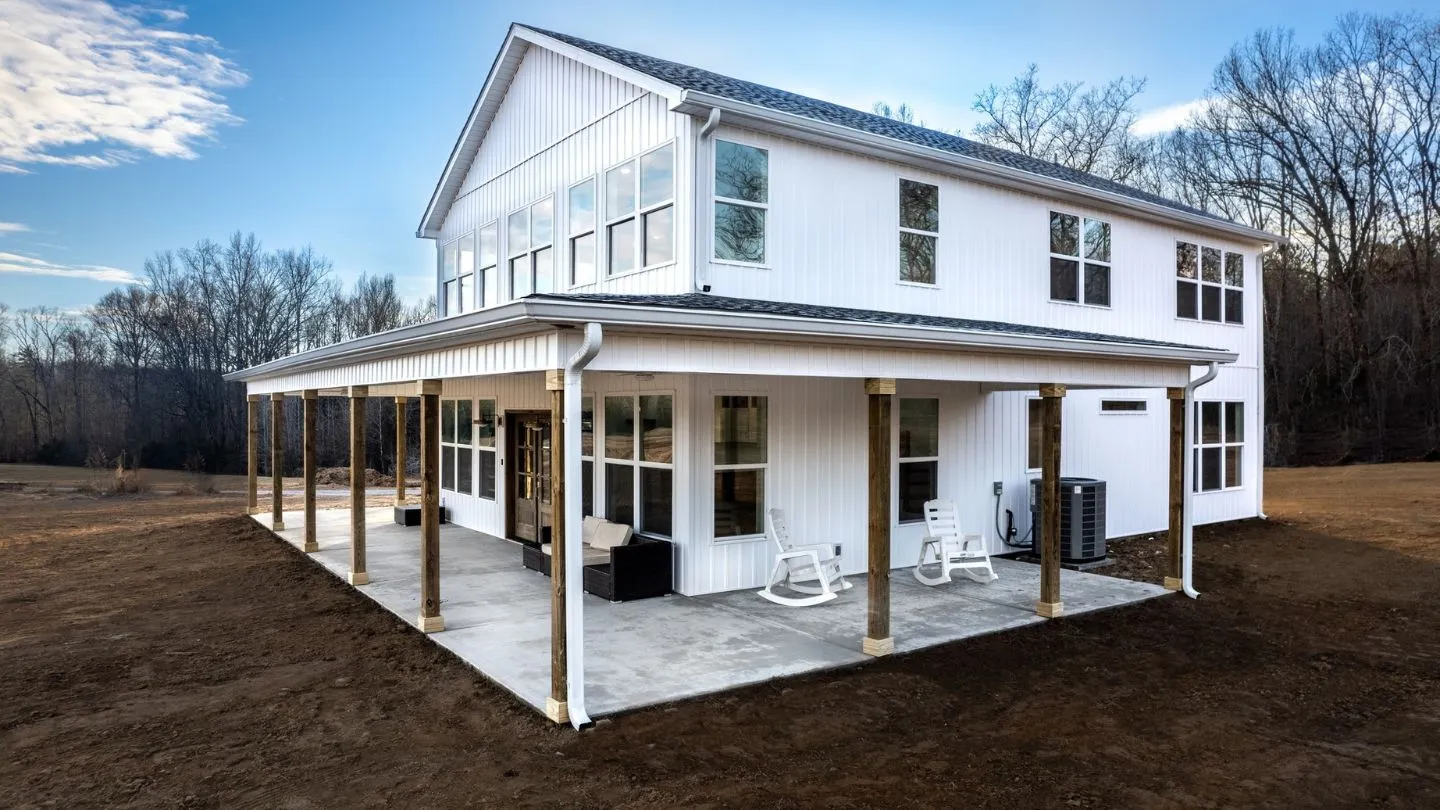
Deciding how to create your ideal living space often comes down to balancing comfort, cost, and long-term value. Some homeowners are drawn to the charm and familiarity of their current property, while others seek the freedom that comes with starting fresh. Each path offers distinct benefits and challenges, from financial considerations to design potential. Understanding these differences is key to making a decision that aligns with your goals and lifestyle. In this blog, we’ll compare both options to help you determine which approach best suits your vision for the perfect home.
Key Takeaways
- Cost dynamics are crucial: Renovations may seem cheaper, but unforeseen expenses can make them as costly as building new.
- Project timelines differ significantly: Renovations generally take less time, while new builds involve extensive groundwork, leading to longer completion times.
- Design flexibility varies: Renovations allow for personalization within existing structures, whereas new builds offer complete customization and modern amenities.
Cost Considerations in Renovating vs Building New
Finances are a major consideration when choosing between renovating an existing home and building a new one. Each option has distinct costs and financial implications that can heavily influence your budget and project scope. While renovations may seem more affordable initially, unforeseen expenses can make them as costly as, or even more expensive than, new construction. Understanding the benefits of building a custom home vs buying an existing one provides valuable insights into making the right financial decision.
Building a new house allows you to design your home from the ground up, tailoring every detail to your preferences. However, this choice usually entails higher initial costs and longer timelines. Knowing these cost dynamics is crucial before making a decision.
Examining the specific costs associated with each option will provide a clearer picture.
Read more: Building Your Dream Home: A Step-by-Step Guide to the Home Building Process
Costs of Renovating an Existing Home
Renovating an existing home is often more cost-effective than building new, particularly since it doesn’t involve land purchase costs. Homeowners frequently choose renovations to create their ideal living space or to expand without relocating. However, costs can vary widely depending on the project’s complexity and the condition of the existing structure.
Older homes often require updates to mechanical systems and structural adjustments to meet current building codes, which can add to the renovation costs of an older home and the properties involved. Understanding how long it takes to build a house from start to finish helps homeowners set realistic expectations for timelines, budgeting, and planning each phase of their construction journey effectively.
Unforeseen issues such as water damage or hazardous materials like asbestos can also arise, leading to additional expenses.
Including a contingency in your renovation budget for unexpected expenses is a prudent approach.
Costs of Building a New Custom Home
Building a new custom home involves a comprehensive set of responsibilities, including land preparation, utility installations, and the construction phases from foundation to finishes. These factors contribute to higher upfront costs compared to renovating an existing house. Additionally, obtaining necessary permits and approvals can extend the timeline and add to the expenses.
Although the initial costs are higher, building a new home offers a well-defined project scope and reduces the risk of unexpected issues. It also allows for complete customization, ensuring every feature meets your exact specifications.
Nonetheless, the cost of purchasing land and other factors is an important factor that should be factored in, as it can significantly affect the overall budget. The impact of custom homes on property value and resale potential can help you evaluate the financial long-term benefits of building a custom home.
Design Flexibility and Limitations
Design flexibility differs between renovating an existing home and building a new one. Renovations allow for personalization within the existing structure but are often limited by the original layout and design.
In contrast, new construction offers complete customization. Homeowners can tailor every aspect, from architectural style to modern amenities, to their personal taste.
Let’s explore the design opportunities and limitations for both options in more detail.
Design Opportunities in Renovations
Renovating an existing home offers the chance to enhance original architectural features while incorporating modern improvements. Homeowners can create unique spaces tailored to their lifestyles, though they must consider existing layout and structural constraints, such as lot size, during house renovation.
A key benefit of renovating older homes is preserving distinctive features such as original hardwood floors, crown molding, and built-in cabinetry. While design is limited by the existing structure, walls can be moved and additions made to achieve the desired outcome in an old home.
Design Freedom in New Construction
New construction offers several benefits:
- A clean slate for design, allowing homeowners to fully customize the size, layout, and features of their new home.
- Complete control over the home’s style, enabling homeowners to tailor every aspect to their personal taste.
- Collaboration with architects, builders, and interior designers to ensure the homeowner’s vision is realized.
New developments often include modern amenities like community pools, fitness centers, and walking trails. Additionally, new construction allows for optimal home placement to maximize natural views and outdoor spaces. Understanding how custom home builders help bring your vision to life is a valuable resource for homeowners looking to see how builders turn ideas into reality with precision.
Impact on Lifestyle and Living Space
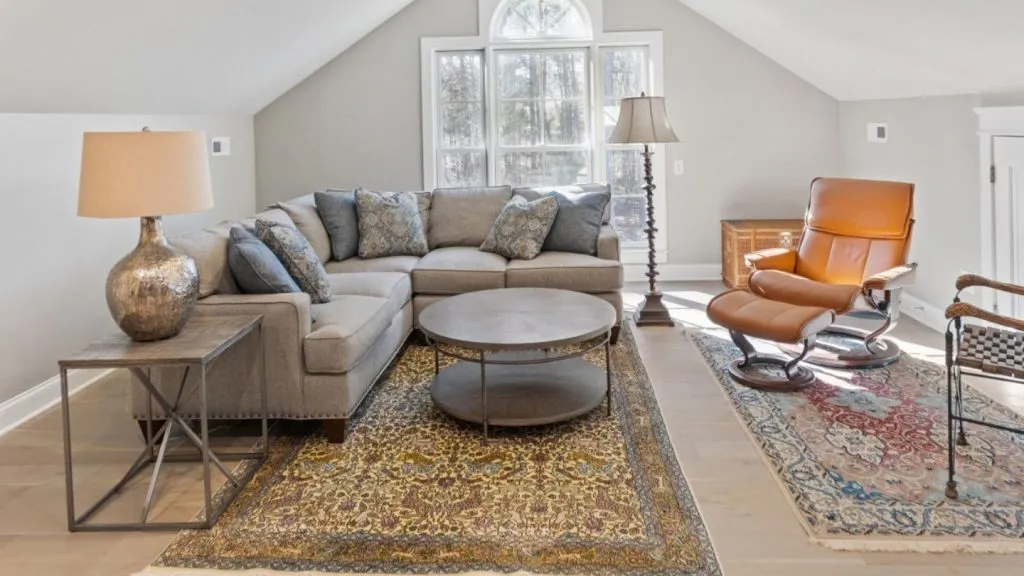
The decision to renovate or build new can significantly impact your lifestyle and living space. Renovation projects can increase stress due to daily routine disruptions and potential conflicts over budget and expectations. These challenges may necessitate significant adjustments and sometimes temporary living arrangements.
In contrast, moving to a new build offers a fresh start with minimal issues in the initial years, enhancing comfort and reducing lower maintenance needs. Newly built homes often feature modern designs that align with current lifestyle preferences, providing a new building that offers a living environment that makes more sense.
Let’s explore these impacts in more detail.
Living Through Renovations
Extensive renovations can be daunting, often causing significant discomfort from dust, noise, and restricted room access. These challenges can add stress and may require temporary living arrangements if the renovation project is extensive, leaving you with more room to breathe.
Couples may face tension over budget disagreements and disruptions caused by renovations, impacting their relationship. Planning for these challenges and open communication are essential to managing expectations and reducing stress, especially when it comes to their plans.
Moving to a New Build
Moving into a newly built home offers several benefits. Newly constructed homes usually require less upkeep initially, as everything is brand new and built to modern standards. This reduces stress and allows homeowners to enjoy their new space without immediate maintenance or repairs.
Additionally, newly built homes often feature modern designs and amenities that align with current lifestyle preferences, providing a comfortable and efficient living environment. Choosing a new build can also lead to better energy efficiency, contributing to reduced living costs over time.
Energy Efficiency and Modern Amenities
Energy efficiency and modern amenities are key factors in deciding between renovating an existing home and building a new one. New construction projects offer the chance to integrate energy-efficient designs and advanced materials from the start, significantly boosting energy efficiency. Homeowners can also fully incorporate modern amenities.
Renovated homes can include some energy-efficient technologies, but they may not match the latest systems in new constructions. Comparing the energy efficiency of upgraded existing homes with new builds is insightful.
Upgrading an Existing Home’s Efficiency
Enhancing an existing home’s energy efficiency involves methods like adding insulation and sealing air leaks. Replacing outdated HVAC systems with modern heat pumps can significantly improve efficiency. While these upgrades can boost the home’s efficiency, they may not match the latest systems in new constructions.
Homeowners should weigh the challenges and costs of these upgrades. Many homeowners find that, despite potential difficulties, boosting an older home’s energy efficiency can result in lower utility bills and a more comfortable living environment. A guide to the home construction journey provides a comprehensive overview of the steps in building a home, including sustainable building practices.
Energy Efficiency in New Builds
New homes are designed with the latest energy-efficient technologies and systems to minimize energy consumption. These technologies include advanced insulation, windows, and HVAC systems that enhance energy performance. The ongoing savings from energy efficiency can help offset the higher purchase price of new homes.
New home construction allows homeowners to leverage advanced technologies, creating an energy-efficient and environmentally friendly living space. This can lead to substantial long-term savings on utility bills and a reduced environmental footprint.
Location and Real Estate Market Factors

Location and real estate market factors are vital when deciding between renovating and building new. The local market can heavily influence this decision based on housing prices and availability. Renovation costs might surpass home values in the area, making moving or building a more attractive option.
Families should consider:
- Their needs
- Budget
- Location preferences
- Perceived benefits
Comparing the advantages of renovating in your current location with building a new home elsewhere can provide valuable insights.
Renovating in Your Current Location
Renovating your current home lets you retain the benefits of your preferred location. Staying put during renovations allows you to maintain established community ties and access to preferred amenities, making it an appealing option if you love your neighborhood.
However, it’s important to determine if renovation costs will add value to your home in the current real estate market. Evaluating these factors will help you make an informed decision about whether to renovate or move.
Building a New Home in a Different Location
Constructing a new home in a different location offers the chance to enjoy modern conveniences and better neighborhood development. New neighborhoods often feature improved traffic patterns and better access to essential services, enhancing your quality of life and comfort.
Purchasing undeveloped land for a new home can lead to:
- Less buyer competition, simplifying the process.
- The opportunity to consider factors like community amenities.
- Potential land value appreciation when building in a new area.
Other Considerations
Other considerations when deciding between renovating and building new include hiring qualified contractors and inspectors to assess renovation costs versus potential value increase. Renovations can uncover unexpected issues like termite damage, poor framing, outdated pipes, and necessary electrical upgrades.
Grants or assistance might be available to lower refurbishing costs, making renovations more financially appealing. Renovating can also reduce utility costs by prioritizing upgrades like replacing windows, doors, and investing in smart technology to save money.
Even with quality inspections, new homes can encounter issues like cosmetic problems, structural issues, and challenges with subcontractor workmanship.
Choosing the Path That Fits Your Vision
Deciding between renovating your existing home and starting fresh with a custom build ultimately depends on your goals, budget, and long-term plans. Renovations can preserve sentimental value and improve functionality within familiar walls, while new builds offer complete design freedom and modern efficiency. Weighing factors like cost, timeline, and desired level of customization will help you determine which option delivers the best return on your investment, both financially and emotionally—especially when considering home construction in Cleveland, TN.
At Concord Homes, we specialize in guiding homeowners through transformative decisions with clarity and precision. Whether you’re envisioning a full renovation or exploring new home construction in Athens, TN, our team ensures your vision is executed with craftsmanship, transparency, and a commitment to excellence. From creating an individual custom home to partnering with a trusted home builder in Bradley County, Ocoee, or Ooltewah, we bring expertise and dedication to every project. Let us help you build or reimagine a home that aligns with your lifestyle, reflects your values, and stands as a lasting expression of your individuality.
Frequently Asked Questions
What are the main cost considerations when deciding between renovating and building new?
When deciding between renovating and building new, keep in mind that renovating can seem cheaper upfront since there are no land costs, but it may come with hidden expenses. On the other hand, while building new requires a larger initial investment, it offers complete customization and generally fewer unexpected costs.
What are the design limitations of renovating an existing home?
Renovating an existing home often means you’re constrained by the current structure, which can limit your design possibilities. But these limitations also help you keep the unique charm of the original architecture.
What are the lifestyle impacts of living through a renovation?
Living through a renovation can be quite stressful with all the dust, noise, and interruptions to your daily life. You might even need to find temporary living arrangements if the work is extensive!
How does energy efficiency compare between renovated homes and new builds?
Renovated homes can be improved with energy-efficient upgrades, but new builds generally outperform them due to their advanced technologies. So, if energy efficiency is your priority, a new build is often the better choice.