
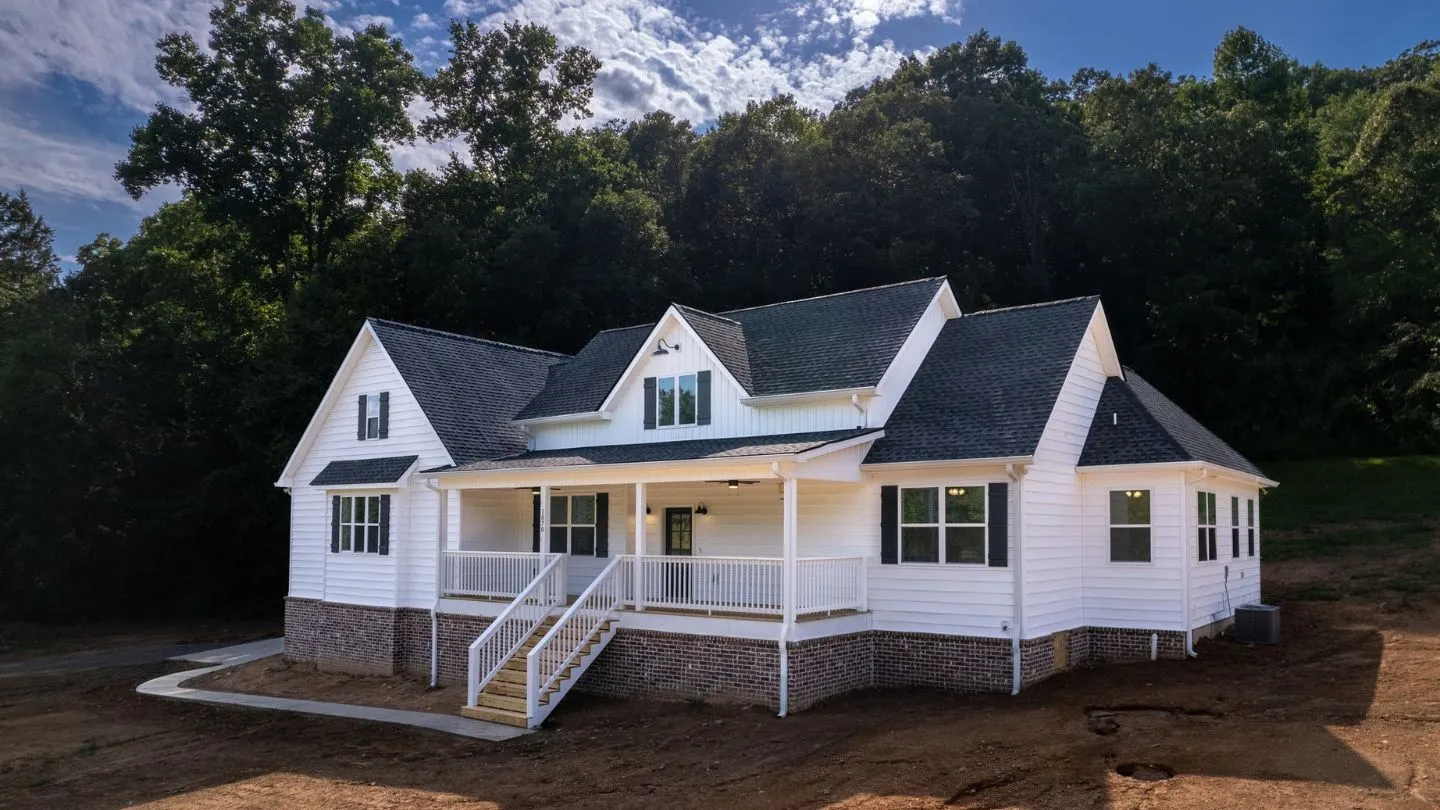
 Choosing between a newly constructed home and a pre-owned home represents one of the biggest decisions you’ll make as a home buyer. While existing homes have their charm and established neighborhoods, the benefits of new home construction have never been more compelling for today’s homeowners.
With the median age of existing housing stock continuing to climb and buyer preferences shifting toward modern amenities and energy efficiency, purchasing a new construction home offers distinct advantages that can impact your finances, lifestyle, and peace of mind for decades to come. Let’s explore the ten key benefits that make buying a new construction home a smart financial decision for many of today’s home buyers.
Key Takeaways
- New construction homes offer 30-40% better energy efficiency compared to homes built before 2000, leading to significant utility savings over time
- Builder warranties typically provide 10 years of structural coverage and 2 years for major systems, offering comprehensive protection that existing homes lack
- Customization options allow buyers to select from hundreds of finishes, fixtures, and layout modifications during the construction process
- Modern building codes ensure new homes meet current safety standards, including updated electrical, plumbing, and fire safety requirements
- New construction homes require significantly lower maintenance costs in the first decade compared to pre-existing homes
1. Dramatically Lower Maintenance Costs and Repair Needs
One of the most significant advantages of a brand-new home lies in the reduced maintenance requirements during your first decade of ownership. When you purchase a new construction home, every major component starts at the very beginning of its lifecycle.
Consider the typical lifespan of major home systems: HVAC systems last 15-20 years, water heaters function for 8-12 years, and roofing materials are designed for 20-25 years. In a construction home, these systems are brand new, meaning you can reasonably expect minimal major replacements or costly repairs during your first decade of ownership.
Construction homes typically feature modern, low-maintenance materials such as fiber-cement siding, composite decking, and engineered roofing shingles with extended warranties. These new materials require significantly less routine upkeep compared to older wood-heavy assemblies that need regular painting, sealing, and repairs.
The financial impact is substantial. While pre-existing homes often require immediate updates like roof replacement, HVAC repairs, or plumbing updates that can cost thousands, newly constructed homes provide predictable maintenance costs that allow you to focus your budget on furnishing and personalizing your space rather than emergency repairs.
2. Superior Energy Efficiency and Lower Utility Bills
Energy efficiency represents one of the most quantifiable and documented advantages of new construction properties. Modern building codes have dramatically raised minimum standards for insulation, window performance, and mechanical system efficiency, resulting in homes that can deliver up to 30% savings on energy bills compared to older properties.
New construction homes benefit from advanced building envelope technologies, including high-performance insulation with superior R-values, continuous air barriers, and properly sealed building wraps that reduce air leakage. These improvements eliminate drafts and maintain consistent indoor temperatures year-round.
The latest building codes require energy-efficient features that weren’t standard in older construction:
- Double or triple-pane low-E windows with insulated frames
- High-efficiency HVAC systems with variable-speed motors
- Energy-efficient appliances with ENERGY STAR ratings
- LED lighting packages throughout the home
- Improved ductwork design and sealing
Many newly built homes also incorporate smart thermostats and advanced ventilation systems that optimize energy usage automatically. Some builders even offer zero-energy-ready homes that can accommodate solar panels and battery storage systems for maximum energy independence.
These energy-efficient features not only reduce your utility costs but also contribute to better indoor air quality and more consistent comfort levels throughout your home.
3. Modern Floor Plans Designed for Today’s Lifestyles
New construction communities understand how families live today, and their floor plans reflect current lifestyle needs rather than outdated housing norms. While many existing homes feature closed kitchens, formal dining rooms that go unused, and smaller primary suites, modern layouts are designed around how today’s homeowners actually use their space.
Contemporary new construction homes typically feature:
Open-Concept Living: Spacious kitchens flow seamlessly into dining and living areas, creating ideal spaces for entertaining and family interaction. These modern layouts support today’s preference for connected living while maintaining defined functional zones.
Flexible Spaces: Dedicated home offices, bonus rooms, and multi-purpose areas accommodate work-from-home needs, multi-generational families, and evolving lifestyle requirements that weren’t priorities in older home designs.
Enhanced Storage Solutions: Walk-in pantries, mudrooms with built-in organization, oversized garages, and abundant closet space address modern storage demands that older homes often lack, especially when considering strategies for maximizing storage in new home construction.
Primary Suite Luxury: Large primary bedrooms with walk-in closets and ensuite bathrooms featuring double sinks, separate tubs, and showers provide the spa-like retreat that today’s homeowners desire.
When selecting floor plans during the construction process, buyers can often choose from multiple layout options and structural modifications to ensure their new community home perfectly matches their family’s needs.
4. Complete Customization and Personalization Control
Perhaps no benefit of new construction is more emotionally compelling than the ability to personalize your brand-new house from the ground up. Rather than inheriting someone else’s design choices and paying twice to change them later, buyers of new construction properties can create a home that truly reflects their taste and lifestyle preferences.
The customization process typically begins at contract signing and continues through the construction process, allowing buyers to incorporate new home features to consider for custom homes that align with their lifestyle and functional needs:
Aesthetic Elements: Paint colors, flooring materials, cabinet styles, countertop options, backsplash designs, plumbing fixtures, and lighting packages
Functional Upgrades: Custom storage solutions, built-in shelving, additional electrical outlets, pre-wired speaker systems, and smart home integration
Structural Modifications: Kitchen layout alternatives, bathroom additions, covered patios, fireplace options, and extended garage configurations
The cost efficiency of built-in customization versus post-construction remodeling is significant. Upgrading during the construction process eliminates demolition costs, reduces labor redundancies, and allows for integrated design that would be difficult or expensive to achieve through renovation.
This personalization extends beyond aesthetics to create a home that functions exactly as you need it to, whether that means a gourmet kitchen for cooking enthusiasts, a home theater setup, or accessibility features for aging in place.
5. Comprehensive Builder Warranties and Peace of Mind
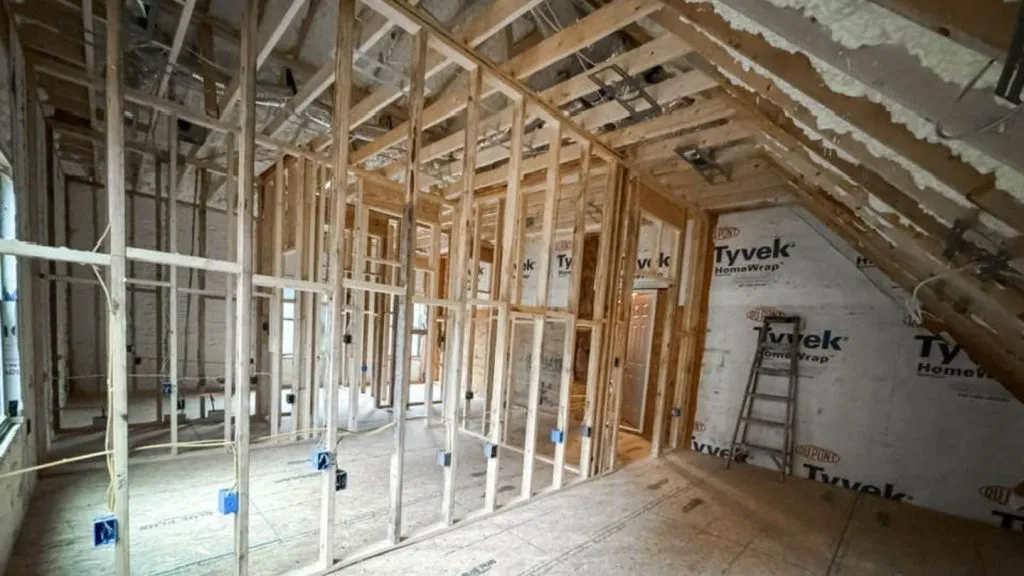
New construction homes come with structured warranty protection that fundamentally changes your risk profile as a homeowner. While existing property purchases rely primarily on inspections that may last only a few hours and cannot detect all potential issues, construction properties include comprehensive coverage for both workmanship and major systems.
Typical builder’s warranty structures follow a proven pattern:
- 1-Year Coverage: Materials and workmanship, including drywall, trim, doors, interior finishes, and fit-and-finish details
- 2-Year Coverage: Major systems including plumbing, electrical, and HVAC systems
- 10-Year Structural Coverage: Foundation, load-bearing walls, framing, and other structural components
Beyond builder warranties, every appliance, roofing material, window, and mechanical component carries fresh manufacturer warranties at closing. These combined protections can represent $15,000-25,000 in equivalent coverage value compared to purchasing extended warranties for existing homes.
The builder’s warranty also covers code compliance assurance. New construction properties must meet current building codes for structural design, fire safety, electrical systems, plumbing, and energy performance, with multiple inspections throughout the construction process to ensure compliance.
6. Enhanced Safety Through Modern Building Standards
Safety improvements in new construction homes extend far beyond basic code compliance. Modern building science, updated materials regulations, and advanced mechanical systems create homes that are fundamentally safer and healthier than older housing stock.
Fire Safety Enhancements: Interconnected smoke and carbon monoxide detectors with battery backup, modern electrical codes that include AFCI protection to prevent electrical fires, and improved panel designs all reduce fire risk significantly compared to older electrical systems.
Structural Resilience: Updated building codes have strengthened requirements for high wind zones, seismic areas, and severe weather resistance. Modern anchoring systems, hurricane ties, and enhanced foundation details make newly constructed homes better able to withstand natural disasters.
Indoor Air Quality: Controlled ventilation systems required by modern plumbing codes help manage humidity and indoor pollutants. Many builders use low-VOC paints, adhesives, and finishes, plus formaldehyde-regulated composite materials to reduce off-gassing and improve indoor air quality.
Updated Safety Systems: Modern plumbing includes GFCI protection in all wet areas, tamper-resistant electrical outlets, and proper grounding systems that weren’t required in older construction.
These safety improvements provide particular peace of mind for families with children and create healthier living environments for all residents.
7. Integrated Technology and Smart Home Features
New construction homes are designed from the ground up to accommodate modern technology needs and smart home systems. Rather than retrofitting technology into existing property structures, newly built homes include the infrastructure and pre-wiring necessary for seamless integration.
Standard technology features in new construction communities often include:
Smart Home Infrastructure: Pre-wired panels, CAT6 network runs, and conduit systems that support current and future technology upgrades without disruptive renovations
Integrated Systems: Smart thermostats, keyless entry systems, video doorbells, and automated lighting controls that can be managed through smartphone apps
Entertainment Ready: Pre-wired surround sound systems, ceiling speakers, and optimized placement for wall-mounted televisions and gaming setups
Future-Ready Features: EV-charger-ready circuits in garages, solar panel preparation, and battery storage compatibility for homeowners interested in energy independence
The cost and convenience advantages are significant. Installing technology infrastructure in existing homes often requires cutting through finished walls and patching drywall, while new construction incorporates these systems cleanly during the building process.
8. Community Amenities and Planned Neighborhood Benefits
Many new construction properties are located within master-planned communities that offer amenities and lifestyle benefits beyond the individual home. These new community developments are designed to enhance residents’ quality of life and provide built-in recreational and social opportunities.
Common new community amenities include:
- Swimming pools and athletic courts
- Playground areas and dog parks
- Walking and biking trails
- Fitness centers and clubhouses
- Planned green spaces and parks
Social Benefits: Since many residents move in around the same time, it’s often easier to form neighbor relationships and community connections. Everyone starts as “new” residents together, which can create a stronger social fabric compared to established neighborhoods.
Design Standards: Homeowners association guidelines and architectural controls help maintain neighborhood appearance and protect property values by ensuring consistent maintenance standards and appropriate modifications.
Planned Infrastructure: Master-planned communities often have long-term development plans for schools, roads, and utilities, providing more certainty about future neighborhood development compared to older areas with haphazard growth patterns.
9. Financial Advantages and Investment Value
While new construction homes may have higher upfront purchase prices, the total cost of ownership often favors new construction when you factor in energy costs, maintenance expenses, and financing benefits.
Operating Cost Savings: The combination of energy efficiency improvements and reduced maintenance needs can result in significant monthly savings. Lower utility bills, minimal repair costs, and warranty protection improve your monthly cash flow compared to older houses.
Financing Benefits: Many builders offer financing incentives through preferred lender relationships, including rate buydowns, closing cost credits, or upgrade incentives. New construction properties may also qualify for special financing programs or energy-efficiency mortgages.
Resale Value Considerations: New construction homes typically maintain strong resale value due to modern features that align with current buyer preferences. Energy-efficient home features, open floor plans, and modern amenities remain attractive to future buyers when it comes time to sell.
Predictable Investment: Unlike existing homes that may require major capital improvements shortly after purchase, new construction provides predictable ownership costs during the crucial first decade, allowing for better long-term financial planning.
Read more: The Impact of Custom Homes on Property Value and Resale Potential: A Smart Investment Choice
10. Future-Ready Design and Regulatory Compliance
New construction homes are built to accommodate future needs and regulatory trends, providing a form of “future-proofing” that older housing stock cannot match. As building codes continue to evolve toward greater energy efficiency and safety, newly constructed homes start closer to where regulations are heading.
Code Evolution: Modern homes built to current International Building Codes include features that may become mandatory in future years, such as enhanced energy performance, improved ventilation, and advanced safety systems.
Sustainability Trends: Many builders now incorporate sustainable building practices and materials as standard features, positioning homes to meet future environmental regulations and buyer expectations.
Adaptability: Modern construction techniques and planned infrastructure make it easier to add future technologies, accessibility features, or energy systems as needs change over time.
Regulatory Compliance: New construction automatically meets current accessibility guidelines, energy standards, and safety requirements, avoiding potential future compliance costs that older homes might face.
Making Your Decision: Key Factors to Consider
While new construction offers compelling advantages, the decision should align with your personal priorities, timeline, and financial situation. Consider factors like location preferences, timeline flexibility, and your tolerance for construction processes when evaluating whether buying a new construction home makes sense for your situation.
The benefits of lower maintenance costs, energy efficiency, modern design, and comprehensive warranties create a strong case for many home buyers, particularly those prioritizing predictable ownership costs and contemporary living features.
Take time to research builders in your area, visit new construction communities, and understand the construction timeline and customization options available as part of your complete guide to the home construction journey.
Whether you’re a first-time buyer seeking move-in-ready convenience or an existing homeowner looking to upgrade to modern amenities, the advantages of new construction deserve serious consideration in today’s housing market.
Why New Home Construction Is the Smarter Choice
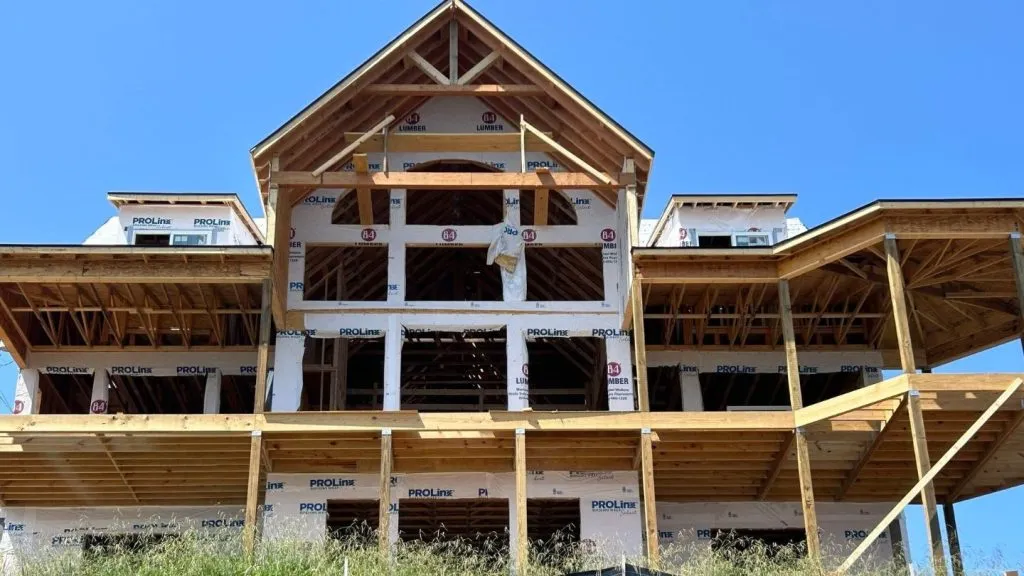
Building a new home offers unmatched advantages; from modern layouts and energy efficiency to long-term savings, customization, and peace of mind. The ability to tailor every detail to your lifestyle makes new home construction a rewarding investment that delivers comfort, functionality, and future-ready living—especially when working with custom home builders in Cleveland, TN. It’s a process that not only gives you a brand-new space but ensures it’s crafted with your needs and preferences at the center.
When you’re ready to experience these benefits firsthand, Concord Homes is here to bring your vision to life. As specialists in new home construction in Ooltewah, TN, we focus on craftsmanship, personalization, and building homes designed to stand the test of time. Our commitment to quality extends throughout the region, providing expert services as a premier home builder in Athens, Bradley County, and Ocoee, TN. Explore our individual custom homes and available properties to start shaping your next chapter. Let us guide you toward a home that reflects your lifestyle and elevates the way you live.
Frequently Asked Questions
How long does the new construction process typically take from contract to move-in?
Most new construction homes take 4-8 months to complete, depending on the size, customization level, and local factors like weather and permit processing. Builders typically provide completion estimates within 30 days once construction begins, though supply chain issues and seasonal weather can affect timelines.
Can I make changes to my home design after signing the construction contract?
Minor changes like electrical outlet locations, paint colors, and certain finishes can usually be accommodated during early construction phases. However, major structural changes become increasingly difficult and expensive once framing begins, typically within the first 30-45 days of construction. Most builders have specific deadlines for design selections.
What should I know about property taxes on new construction homes?
Initially, property taxes may be calculated based on land value only during construction, resulting in lower taxes while building. Once completed and assessed, taxes will reflect the full property value, which may be higher than comparable older homes due to modern features and current market values. Many jurisdictions offer temporary tax incentives for energy-efficient new construction.
Do new construction homes require home inspections like existing homes?
While new homes are built to code and inspected by local authorities during construction, hiring an independent home inspector is still recommended. Third-party inspections can identify minor issues before they become warranty claims and provide documentation for future reference. Many builders welcome inspections as they demonstrate confidence in their construction quality.
What happens if construction costs increase during my build process?
Most reputable builders offer fixed-price contracts that protect buyers from construction cost increases once the contract is signed. However, buyer-requested changes or upgrades will typically add to the final cost. It’s important to understand what’s included in your base price and budget appropriately for any desired upgrades or modifications.