
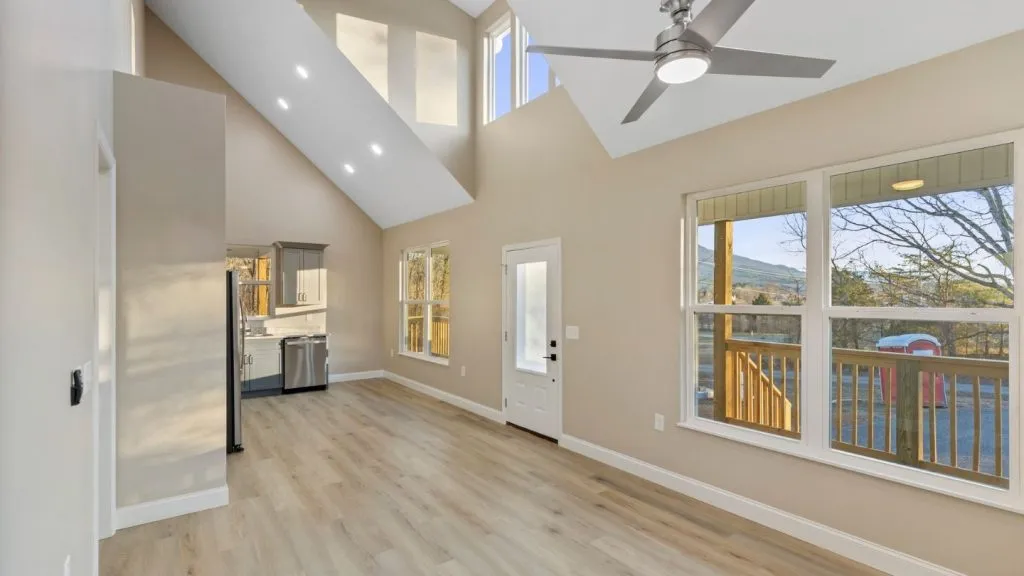
Open floor plans, also known as open concept floor plans, have become one of the defining features of modern home design. For many homeowners, the appeal of wide-open spaces, seamless flow, and abundant natural light makes the open-concept layout feel both luxurious and practical, offering many benefits such as enhanced functionality and aesthetic appeal. In this blog, we’ll explore what defines an open floor plan, its core features, its benefits, and how to make the most of this popular modern design approach.
Key Takeaways
- Open floor plans remove traditional walls between the kitchen, dining, and living areas to create a seamless, flexible, and sociable living space.
- Core features include natural light, visual connectivity, flexible furniture layout, and unified design, all contributing to an airy, modern atmosphere.
- Benefits range from improved traffic flow and multifunctional use of space to better lighting, ventilation, and enhanced home value, making open concepts both practical and desirable.
- Ideal for entertaining, open layouts allow interaction across zones and help even smaller homes feel larger and more welcoming.
- Successful open-concept design requires intentional planning, including zone definition, cohesive color palettes, layered lighting, and smart storage solutions to maintain function and aesthetics.
What Is an Open Floor Plan?
An open floor plan refers to a home layout where traditionally separated rooms, particularly the kitchen, dining room, and living room, are combined into a single, interconnected space. This modern approach, often called an open concept floor, eliminates divisions to create a more flexible and sociable environment. Instead of walls and doors dividing these areas, the home flows freely from one functional zone to another.
Although open concepts may seem like a modern trend, their roots stretch back to mid-20th-century architecture. In the post-war years, there was a notable shift toward casual living, as families sought more relaxed and multifunctional spaces. As designers embraced minimalism, clean geometry, and brighter spaces influenced by the Bauhaus and Scandinavian movements, the idea of removing physical barriers became increasingly appealing. This removal of physical barriers connected different rooms, fostering greater interaction and inclusivity. Homes began incorporating multifunctional spaces, inviting social connection and simplifying movement through the house, in contrast to traditional floor plans that feature more compartmentalized, formal rooms.
Today’s open floor plans reflect a balance of beauty and practicality, a hallmark of modern design.
Key Features of Open Floor Plans in Modern Homes
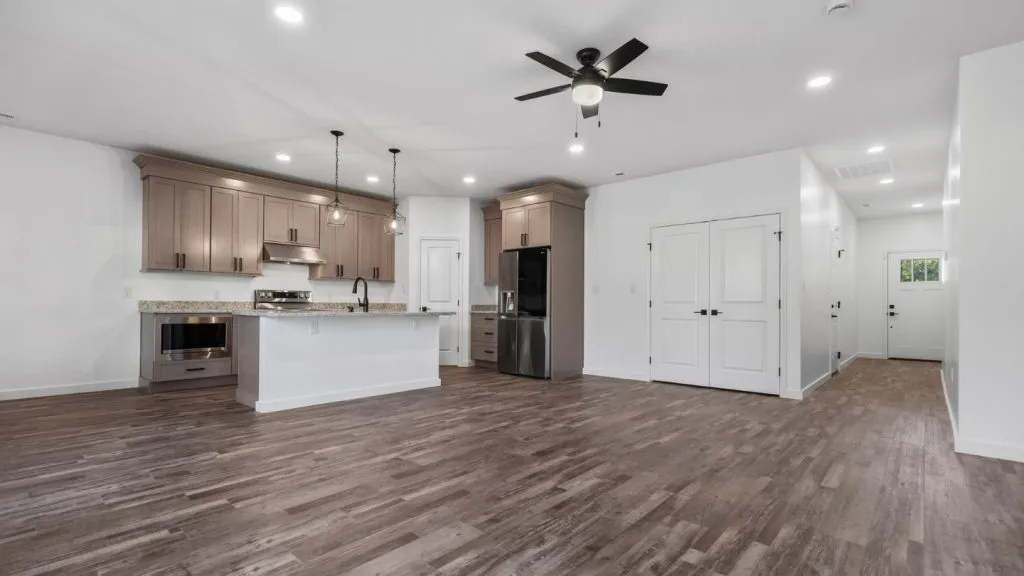
Open-concept living is more than just knocking down walls. Good open-plan design requires intention, balance, and an understanding of how furniture, light, and architecture interact. Open concept floor plans and open concept designs require careful planning to ensure both functionality and visual appeal, similar to working with experts who understand how custom home builders help design the perfect floor plan. Careful planning is essential for successful open concept layouts. Here are the defining characteristics that make these layouts so popular:
Seamless Spatial Flow
One of the most celebrated features of open floor plans is the uninterrupted flow from one area of the home to another. This unobstructed flow, achieved by minimizing barriers, allows natural light to travel freely and enhances the sense of openness. Without walls dividing the kitchen from the dining or living room, a sense of spaciousness permeates the entire layout.
This fluidity enhances daily living and supports thoughtful layout decisions that reflect the essential things you need to know when choosing the right floor plan for your home. Here’s what you need to know:
- You can prepare meals while interacting with family members.
- Entertaining becomes easier because guests can circulate freely.
- With fewer walls, movement feels more natural, unconstrained, and relaxed, creating a seamless transition between spaces.
A well-designed open layout makes even a modest-sized home feel expansive, reflecting the same principles used when deciding how to choose the perfect floor plan for a custom home.
Enhanced Natural Light
Without partitions blocking windows or obstructing sightlines, sunlight can travel across the entire space. Natural light not only improves the aesthetic appeal of a room but also contributes to a healthier and more uplifting environment.
In modern home design, large windows, glass doors, and skylights are commonly paired with open plans to maximize brightness. Open layouts reduce reliance on artificial lighting during the day, which improves energy efficiency and lowers energy costs. The result is a warm, inviting atmosphere that feels effortlessly elegant.
Flexible Furniture Arrangement
Traditional closed floor plans dictate where furniture must go. Open concepts, however, give homeowners complete freedom to experiment with layouts.
Because you’re working with one large, multifunctional space, furniture plays a key role in shaping the flow and defining zones. Furniture arrangement helps create functional zones within the open area, designating spaces for cooking, dining, and living while maintaining openness and visual connection. Sofas, dining tables, area rugs, shelving units, lighting, accent chairs, and upholstered furniture all work together to create distinct areas without enclosing them. Upholstered furniture is especially useful for absorbing sound and helping to contain odors in open-concept living spaces.
This is where high-quality furnishings can truly transform a space. The right pieces help anchor the room, establish harmony, and make the entire area feel cohesive and intentional. A dining room table often serves as a central element in open layouts, supporting informal family activities like homework and casual gatherings in addition to dining.
Visual Connectivity
Open layouts create a visual connection between all major daily activities. You can cook, watch your children play, host guests, or relax, all without feeling separated. By connecting multiple areas such as the kitchen, living room, and dining area, open floor plans create shared spaces that foster flexibility and inclusivity.
This is especially appealing for families who value togetherness or want to maintain visibility across different zones. The concept of a great room, a central, open-concept space that combines the kitchen, dining, and living areas, serves as a shared space that encourages social interaction and family bonding. The open sightlines also help make the space feel unified and more thoughtfully designed.
High Ceilings and an Airy Atmosphere
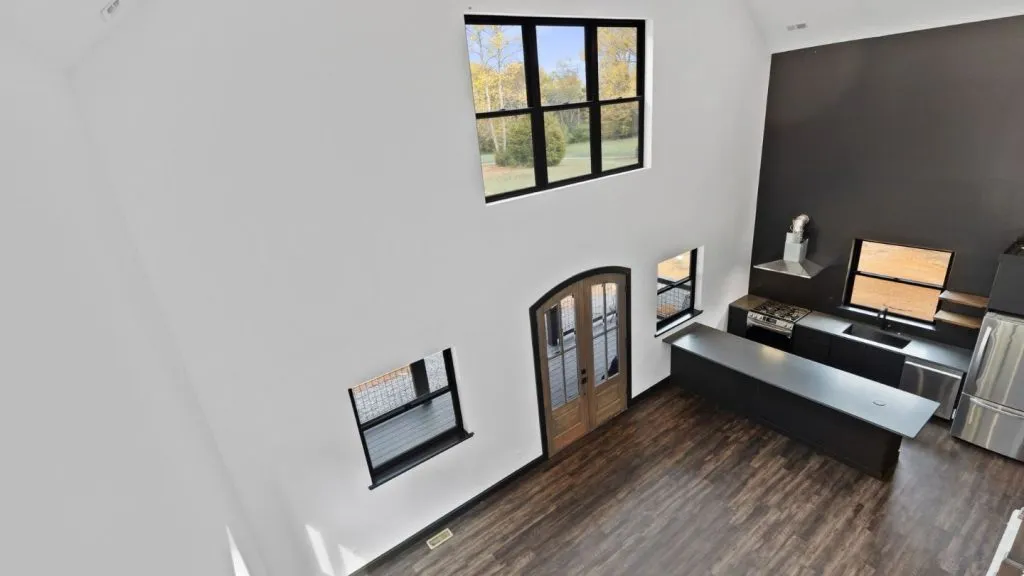
Many open floor plans incorporate high or vaulted ceilings to further enhance the sense of expansiveness. Consistent flooring throughout these spaces helps create an expansive feel by visually connecting different areas and promoting seamless flow. Vertical space amplifies openness and offers a canvas for dramatic lighting fixtures or architectural features.
Even if ceilings aren’t exceptionally high, the sheer openness of the layout makes rooms feel airier, more peaceful, and less confined, creating expansive living areas through thoughtful design.
Unified Design Aesthetic
Because open floor plans integrate multiple living zones into one continuous space, maintaining aesthetic cohesiveness is crucial. A unified design not only ensures harmony but also makes the space more visually appealing, enhancing the overall ambiance of the home. Design elements, including color palettes, materials, textures, and décor, should feel harmonious.
This doesn’t mean every area needs to match perfectly. Instead, visual unity creates a calming experience and reflects the clean, streamlined principles of modern design.
Advantages of Open Floor Plans
Open-concept layouts have become staples of modern homes because they offer tangible lifestyle and design benefits. Open floor plan designs provide both functional benefits and practical benefits, such as making spaces feel larger, improving energy efficiency, and creating versatile environments that enhance the overall living experience. Here’s a closer look at why homeowners continue to embrace them:
Ideal for Entertaining
If you love hosting gatherings, open layouts are a dream. With no walls blocking movement or visibility, your guests can socialize across the kitchen, dining, and living areas freely. These spaces are ideal for entertaining guests and accommodating large groups, making everyone feel comfortable and connected.
Open kitchens become natural hubs of activity, where conversations flow just as easily as the wine. Whether you’re preparing food while interacting with guests, or hosting a family celebration or a casual dinner party, the space feels inviting and inclusive.
Improved Traffic Flow
Traditional layouts with narrow hallways and separated rooms often create bottlenecks. Open floor plans eliminate these obstacles, allowing people to move effortlessly throughout the home. With fewer barriers, both people and conversations can flow freely across different areas, making interaction and movement much easier.
This is especially useful in busy households where multiple people are often moving around at once.
More Functional Space
Open floor plans make homes feel larger and more adaptable. When one space serves multiple functions, you gain the ability to tailor it to your lifestyle.
For example:
- The dining area may double as a workspace during the day.
- A living area might feature a reading nook or a space for kids’ activities.
- A kitchen island can serve as a prep area, dining surface, and entertaining spot.
This flexibility enhances livability and maximizes square footage, increasing the functional square footage, the amount of space that is truly usable for daily activities, which is particularly beneficial in smaller homes or apartments.
Increased Natural Light and Ventilation
Because open layouts encourage unobstructed airflow, they often improve natural ventilation. Fresh air circulates more freely, making the home feel fresher and less stuffy.
Combined with generous natural light, the environment feels healthier, brighter, and more uplifting, which can significantly enhance the well-being of residents by supporting better mood and overall quality of life.
Modern Aesthetic Appeal
Open-concept spaces complement the minimalist, clean-line aesthetic of contemporary design. Open concept homes, open concept floor layouts, and open concept designs are hallmarks of modern style, emphasizing interconnected, flexible living spaces that promote natural light and a sense of spaciousness. The absence of walls enhances architectural beauty and makes the home appear more upscale and modern.
The openness also allows design features, like statement dining tables, sectional sofas, or sculptural lighting, to shine.
Increased Real Estate Value
Many homebuyers prefer open-concept layouts. Open floor plan homes are highly sought after in the real estate market, as buyers are drawn to their modern appeal and flexible living spaces. They see them as updated, functional, and visually attractive. As a result, homes with open floor plans typically sell faster and command higher market value. If you’re planning a renovation with future resale in mind, an open layout is a strong investment.
How to Make an Open Floor Plan Work in Your Home
Open-concept living thrives when thoughtful design choices bring beauty, comfort, and function together. When planning an open floor plan, consider the needs of the entire home and how to manage open space effectively for comfort, light, and flow. Here are practical ways to make the most of your open floor plan. It’s also essential to follow local building codes when making structural changes to create open layouts, ensuring safety and compliance.
Define Zones with Furniture
Furniture is the most effective tool for creating visual boundaries. For example:
- A sectional sofa can subtly separate the living area from the dining zone.
- A rug establishes the footprint of each functional space.
- A console table behind the sofa can act as a soft divider.
Keep a Cohesive Color Palette
Choose a consistent palette for the entire space to maintain visual continuity. Neutrals work especially well in modern design, allowing accent colors or statement furniture to shine without overwhelming the room. Even small variations in tone, from soft gray to warm beige, help unify the layout.
Use Smart Storage Solutions
Secret to a clutter-free home? Storage. Opt for built-in shelving, storage benches, buffet units, or media consoles that hide everyday items and keep surfaces clean.
Storage not only boosts functionality but also helps preserve the minimalist aesthetic that open plans rely on.
Layer Your Lighting
Lighting plays a major role in shaping open spaces. Instead of relying solely on overhead lights, use a combination of:
- Ambient lighting (ceiling fixtures, recessed lights)
- Task lighting (pendants over a kitchen island, reading lamps)
- Accent lighting (LED strips, sconces)
This layered approach helps define zones and creates warmth and depth.
Invest in Statement Pieces
Open plans benefit from a few well-chosen statement pieces that anchor the space visually. This could include a bold dining table, a sculptural light fixture, or a beautifully designed sofa.
These elements draw the eye, guide movement, and establish a sense of intentionality throughout the home.
The Future of Open Floor Plans in Modern Home Design
As lifestyles evolve, so do the ways we use our homes. While open concepts remain highly popular, new trends are emerging, ones that blend openness with flexibility. New construction and custom home projects are increasingly incorporating open floor plan designs, allowing for modern layouts that combine living, dining, and kitchen areas into a single, versatile space.
Many modern homes now incorporate hybrid layouts, using movable partitions, sliding doors, glass walls, or strategically designed nooks that offer privacy when needed. Homeowners want versatility: open when entertaining, enclosed when working or relaxing.
Still, the open floor plan remains central to modern design because it reflects contemporary values: connection, functionality, and simplicity, even as homeowners evaluate open vs traditional floor plans for different lifestyles and needs. With the right approach, it adapts effortlessly to changing needs and enhances how families live today.
Bringing Your Modern Home Vision Together
Open floor plans continue to shape modern home design by offering spaciousness, natural light, and seamless flow between living areas. They enhance functionality, support contemporary lifestyles, and create inviting spaces that feel both connected and adaptable. Whether you’re building from the ground up or refining your design concept, open layouts provide the perfect foundation for a modern, timeless home—especially in home construction in Cleveland, TN.
When you’re ready to bring these ideas to life, Concord Homes is here to help. As experts in new home construction in Ocoee, TN, we focus on creating thoughtfully designed spaces that reflect your style while prioritizing comfort, flexibility, and craftsmanship. Beyond Ocoee, we are proud to serve as a leading home builder in Athens, Bradley County, and Ooltewah, TN. Explore our individual custom homes and available properties to begin shaping your ideal living experience. Let us turn your vision into a home that brings modern design and everyday living together beautifully.
Frequently Asked Questions
Are open floor plans suitable for small homes?
Yes. Open floor plans can make small homes feel significantly larger by removing walls, improving light flow, and creating a more flexible, multifunctional space.
How do you create privacy in an open-concept layout?
You can add privacy using strategic solutions such as furniture placement, rugs, room dividers, sliding doors, screens, or creating small dedicated nooks within the open space.
Do open floor plans increase home value?
Often, yes. Many buyers prefer open-concept layouts for their modern appeal, natural light, and flexibility, which can help homes sell faster and at higher prices.
What are the main challenges of an open floor plan?
Common challenges include noise travel, lack of defined rooms, difficulty controlling cooking odors, and the need for cohesive design. Thoughtful planning, high-quality furniture, and layered lighting can help mitigate these issues.
Table of Contents
- Key Takeaways
- What Is an Open Floor Plan?
- Key Features of Open Floor Plans in Modern Homes
- Advantages of Open Floor Plans
- How to Make an Open Floor Plan Work in Your Home
- The Future of Open Floor Plans in Modern Home Design
- Bringing Your Modern Home Vision Together
- Frequently Asked Questions
- Recent Post
- How a Home Construction Company Evaluates Land Before Building Begins
- Designing a Custom Home in a Cold Climate: Features to Consider
- How Natural Light Shapes Floor Plan Design in New Home Construction
- Importance of Kitchen and Living Area Layouts in New Home Construction
- How to Plan Bedroom Layouts for Privacy in New Home Construction
- How a Custom Home Contractor Helps Reduce Construction Stress