

Choosing the right spot to build your house involves considering topography, accessibility, utilities, zoning laws, future developments, orientation, and budget. This blog will walk you through each crucial factor to help you make an informed decision on how to decide where to build a house on land.
Key Takeaways
- Evaluate land topography and soil conditions to determine suitability for construction and identify potential risks such as erosion and flooding.
- Ensure accessibility to essential services and amenities, as well as confirm the availability of utilities before purchasing land to avoid unexpected complications.
- Consult with professionals, including real estate agents and builders, to navigate zoning laws and budget effectively for land acquisition and construction costs.
Evaluate the Land’s Topography
Grasping the nuances of a vacant land’s topography is crucial when determining if it’s appropriate for erecting your new home. The physical characteristics of the terrain can greatly influence not only the building process but also ensure long-term stability, especially on land that is completely undeveloped.
Analyzing aspects such as slopes and elevation levels is essential in establishing what kind of foundation will be required and pinpointing potential risks related to soil erosion. Constructing on steep inclines may result in more intricate foundations with increased costs, whereas level ground typically presents fewer complications during construction. Assessing any exposure to floodplains secures your home against possible flooding threats.
Conducting a soil analysis constitutes an integral segment of examining topographical features since the makeup of soil dictates which foundation options are viable. Incompatible soils might provoke future structural dilemmas. A thorough topographic study will yield comprehensive data about the property’s specific attributes, aiding in strategic placement decisions for your house and auxiliary buildings.
Utilization of topographic maps throughout this exploration offers immense support by depicting shifts in elevation and identifying surface traits, allowing constructors to maximize use efficiently. With these maps at hand, one can make enlightened choices regarding access roads, defensive walls, or landscaping logistics that align closely with a thoughtful design plan that acknowledges every nuance offered by the chosen plot.
Check Accessibility and Proximity

Choosing a piece of land that provides convenient access to roadways and vital amenities can greatly improve your daily experiences. A property situated in an optimal location with close proximity to city conveniences, educational institutions, and necessary services not only elevates the standard of living but also makes for a wise investment decision due to its potential for higher resale values within the community. The placement of these properties plays a pivotal role in shaping your overall living experience.
Consideration should be given to how far away you’ll live from work and what kind of public transit options are available nearby. Living near main roads or highways can simplify commutes and cut down on time spent traveling. Being close to schools, shopping areas, and recreational parks markedly increases the attractiveness of your new residence.
But it’s more than just ease-of-travel considerations—the very accessibility within neighbourhood layouts matters as well. For instance, having easy entry into front-facing lots or those at dead ends (cul-de-sacs) could steer decisions towards certain plots over others, ensuring that practicality aligns with desirability when establishing your home base.
Utilities and Infrastructure Availability
Prior to purchasing land, it is crucial to investigate whether utilities and infrastructure such as electricity, water, sewage, and gas are readily accessible. Ensuring you have these essential services will help dodge unforeseen expenses and difficulties.
Property listings may not always provide clear information regarding utility access. Thus, reaching out directly to local service providers for verification is a prudent action. Securing the connection with municipal amenities and internet providers can preclude expensive hook-up charges. Particularly if your property line is situated at a distance from established connections, extending power lines can prove exorbitant.
The cost of installing utilities could vary greatly depending on several factors. For instance, extending power lines might come in at an average rate of $8 per linear foot—this expense rapidly escalates when the property lies far away from current utility networks. Other aspects, like the ability to install septic systems or wells, are contingent upon soil conditions unique to your parcel of land as well as prevailing area-specific rules and regulations.
Read more: What to Expect When Building a Custom Home: A Step-by-Step Guide
Environmental Factors and Zoning Laws
An environmental assessment is crucial for identifying possible contamination or risks associated with your property, ensuring the land is suitable and secure for construction while protecting health and preserving property value.
It’s also vital to be familiar with local zoning laws, as they govern many aspects of real estate development, like permissible structure types, maximum building height, lot dimensions, and utility placement. These rules have a significant influence on your construction plans. Hence, confirming these regulations before acquiring any parcel of land is critical since they can change based on specific local ordinances. Understanding the terrain’s composition illuminates potential development options.
In dealing with these intricate matters, a real estate agent can offer substantial guidance. Agents are well-versed in area-specific zoning regulations and adept at spotting possible construction limitations to ensure that your project adheres to legal requirements, thereby preventing expensive postponements.
Consider Future Development Plans
When contemplating a land purchase, it is imperative to factor in the region’s future growth and development plans. Here are several important aspects to keep in mind:
- The establishment of new infrastructure projects and neighborhoods can elevate both the attractiveness and salability of adjacent properties, potentially leading to an appreciation in their market value.
- Land located within areas earmarked for forthcoming developments, such as fresh roadways or public transport lines, may see substantial gains in both its worth and ease of access.
- Properties situated within easily reachable locations usually demand premium prices due to their enhanced convenience, representing a judicious investment choice.
The vicinity of crucial facilities like educational institutions, green spaces, and retail complexes should also be considered when evaluating property within a neighborhood. A high walkability rating signifies effortless accessibility to these amenities on foot, which bolsters the appeal of real estate holdings significantly. Thorough research into prospective development initiatives that could influence an area’s attraction offers vital insights regarding its long-term prospects for growth potential.
Orientation and Layout of Your Home
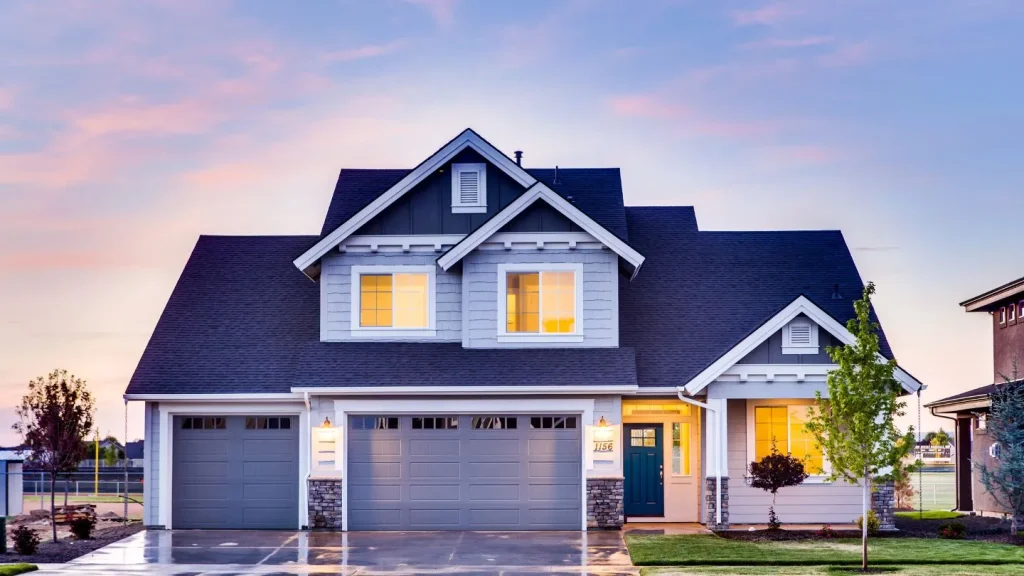
The orientation and layout of your house significantly affect the infusion of natural light, energy consumption efficiency, and the level of seclusion you experience. By strategically positioning your dream home to soak up optimal amounts of sunlight, you cannot only decrease energy expenses but also cultivate a cozy atmosphere for dwelling.
Opting for north-facing directions could aid in keeping the house cool, while arranging it to harness prevailing breezes might bolster natural airflow and lower expenditures related to air conditioning. Where you decide to place your driveway could dictate ease of entry as well as ongoing maintenance commitments, alongside impacting how secluded your custom-built residence feels.
As such, factors play an instrumental role in shaping both everyday experiences and enduring satisfaction within one’s living space; they warrant careful contemplation during the planning stage of building a home. A meticulously considered orientation coupled with thoughtfully laid out design features has the power to transform a vision into an abode that caters beautifully to familial necessities—the quintessential idea at heart when erecting a household tailored specifically for life’s dreams.
Read more: Building a Home: How Long Does It Take to Build a House from Start to Finish?
Consult with Professionals
When embarking on the home-building process, it’s essential to engage with experts such as builders, land surveyors, and real estate agents before buying land. These professionals are adept at evaluating a plot of land for construction suitability by pinpointing site-specific hurdles and forecasting potential costs associated with purchasing the property.
Engaging a real estate agent can widen your access to more property listings while also aiding in negotiation processes to secure an optimal purchase price. Specialists in this field facilitate determining whether the terrain is apt for development and provide estimates on related expenses, which streamlines the process and offers greater cost predictability.
Incorporating protective clauses into your agreement ensures that you’re covered should the purchased land fall short of expectations. Collaborating closely with both a home builder and contractor early on provides precise insight concerning onsite variables that must be accounted for, ensuring that construction begins correctly from inception, thereby safeguarding buyer interests throughout their project journey.
Budgeting for Land and Construction
Allocating funds for both the purchase of land and construction is essential when planning to build a home. You should reserve 20-30% of your entire budget for acquiring the land and preparing the site. By doing so, you ensure that there are ample resources available to cover not only the cost of purchasing land but also any initial development necessary.
For constructing your home, plan on using 70-80% of your allocated budget. This portion will go towards various building costs, including labor and materials, as well as additional expenses such as obtaining permits, readying the site for tasks like clearing or grading, connecting utilities, and accounting for unforeseen expenditures.
Lastly, take into consideration extra improvements associated with establishing a property, like creating driveways or arranging landscaping, before initiating construction work. Also, remember to include in your calculations potential charges related to determining market value through services like appraisals and surveys before finalizing any purchases via loans specifically aimed at procuring land.
Final Thoughts on Choosing Your Perfect Spot
Choosing the ideal location to build your dream home involves careful consideration of various factors. From the convenience of the location to the unique features of the land and your long-term needs, each decision plays a key role in shaping your future living experience. Taking the time to thoroughly evaluate these aspects ensures that your investment not only meets your current lifestyle but also grows with you over time.
At Concord Homes, we specialize in making your vision a reality through expert craftsmanship and exceptional service. If you’re planning new home construction in Ooltewah, TN, we’re here to guide you every step of the way, offering personalized solutions that align with your needs and preferences. We build everything from barndominiums to individual custom homes tailored to your lifestyle. Begin your custom homebuilding adventure today and see how we can create a space where your story truly begins! Contact us to get started.
Frequently Asked Questions
Why is evaluating the land’s topography important?
Evaluating the land’s topography is essential as it influences the suitability for construction, foundation requirements, and erosion risk assessment. This understanding is vital for ensuring safety and longevity in building projects.
What should I consider regarding accessibility when selecting land?
When selecting land, it is crucial to consider commuter distance, access to primary roads, and proximity to city amenities, schools, and essential services to enhance both convenience and property value. These factors play a significant role in ensuring accessibility and overall satisfaction with the location.
Why is it important to check utility availability before purchasing land?
Before acquiring land for your project, verifying the availability of utilities such as power, water, sewage, and gas is vital to avoid unexpected costs and ensure that your future residence has access to essential services. This step is critical for determining the feasibility and success of your overall endeavor.
How do future development plans affect property value?
Future development plans can significantly boost property value by improving infrastructure and creating new neighborhood amenities, making the area more attractive to potential buyers. Therefore, investing in properties near such planned developments can yield a higher return on investment.
Why should I consult with professionals when buying land?
Seeking advice from experts is crucial when purchasing land, as they provide vital knowledge regarding the appropriateness of a plot for building purposes and help in dealing with the intricate details involved in acquiring land. Involving these professionals can safeguard your investment by facilitating well-informed choices throughout the process.