

Construction projects involve multiple moving parts, heavy machinery, and various trades working simultaneously, all of which create potential hazards if not managed properly. Maintaining a safe job site is essential for protecting workers, meeting legal requirements, and keeping projects on schedule. Effective safety planning also reduces the risk of costly delays and liability issues. Every stakeholder, from management to laborers, plays a role in fostering a safety-first culture. In this blog, we’ll explore the critical safety measures, regulations, and best practices that ensure a secure construction environment.
Key Takeaways
- Understanding and adhering to safety regulations like OSHA standards is crucial for minimizing hazards and ensuring compliance on construction sites.
- Personal Protective Equipment (PPE) and proper maintenance are essential in protecting construction workers from various job site hazards.
- Regular safety training, emergency drills, and clear reporting channels foster a culture of safety and preparedness among construction workers.
Understanding Construction Site Safety Regulations
Comprehending construction site safety regulations helps minimize hazards and protect workers from potential injuries. The commercial construction industry is governed by a myriad of regulations designed to ensure the safety and health of all workers. Adhering to these regulations helps avoid project delays and financial penalties for non-compliance.
Construction workers must be aware of safety regulations to maintain a safe working environment. The responsibility of ensuring safety compliance and providing proper safety training lies with the construction company manager. Proper safety measures not only protect construction workers but also ensure reliability in construction processes.
Failure to adhere to safety regulations can lead to severe fines, project setbacks, and increased liability. Regulatory agencies, such as OSHA, mandate organizations to adhere to safety regulations. These regulations are set at both the federal and state levels. Safety rules in construction aim to protect workers, reduce liabilities, and maintain operational efficiency.
OSHA Standards
The role of OSHA’s involvement in construction safety is to set and enforce safety standards. OSHA standards cover a wide range of safety protocols, from the use of personal protective equipment to the proper handling of hazardous materials. Construction managers should focus on key areas of OSHA standards including fall protection and safe operation of machinery.
Fall protection is mandated at heights of six feet or more in the construction sector to safeguard workers. OSHA mandates that protective measures must be taken whenever employees work above dangerous machinery.
Adhering to OSHA standards is vital for maintaining construction site safety and preventing accidents related to occupational safety, as OSHA requires strict compliance.
Company-Specific Policies
Company-specific safety policies are tailored to address unique risks and complement OSHA regulations. These policies consider the specific working environment, potential hazards, and operational needs of the construction site.
Adhering to both company-specific policies and OSHA standards ensures a comprehensive safety approach on construction sites.
Importance of Personal Protective Equipment (PPE)
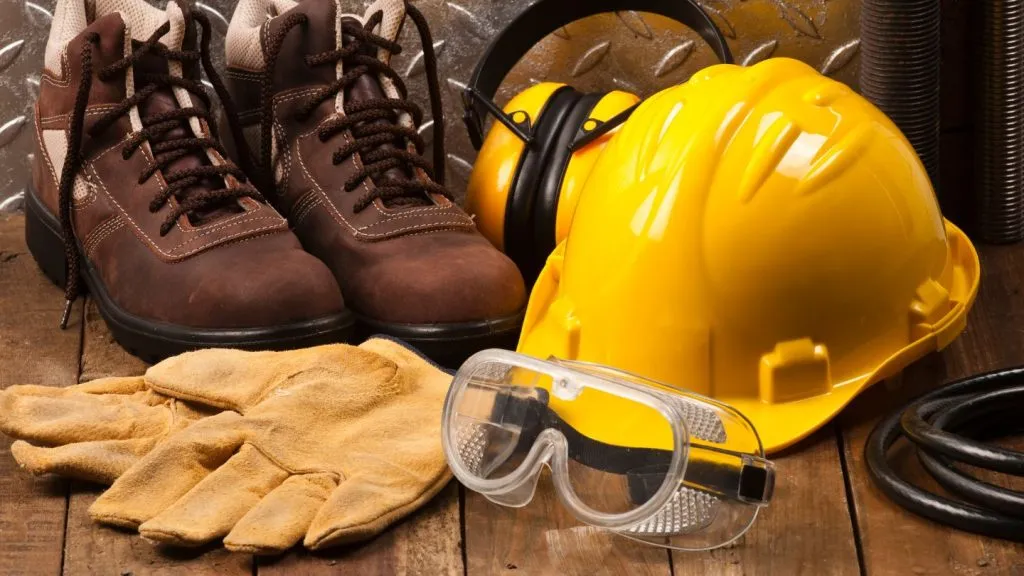
Personal Protective Equipment (PPE) serves a critical role on construction sites by protecting workers against various hazards. Wearing appropriate PPE shields workers from:
- Debris
- Falling objects
- Heavy machinery
- Loud noise
- Chemical exposure
Reflective vests are essential for improving visibility and safety in environments with moving vehicles and equipment.
High-visibility clothing ensures workers are seen, particularly in low-light conditions. Proper PPE enhances the overall safety of construction sites.
The following subsections will delve into the essential PPE items and their maintenance.
Essential PPE Items
Essential PPE items required on construction sites include:
- Hard hats: protect against head injuries
- Steel-toed boots: prevent foot injuries
- Reflective vests
- Work gloves
- Eye protection
- Hearing protection
- Dust masks
- Face shields
- Safety gear
Personal protective equipment (PPE) ensures safety on construction sites by protecting workers from various hazards. Ensuring that all workers are equipped with the necessary PPE can significantly reduce the risk of injuries and accidents on the job site.
Maintenance and Inspection
Maintaining PPE regularly ensures its protective features remain intact and effective against job site hazards. Cleaning PPE regularly maintains its protective qualities and extends its lifespan. PPE that is not properly maintained can fail at critical moments, leading to potential injuries.
Establishing a routine for inspecting PPE can help identify wear and tear early, ensuring that all equipment is in good working condition. Workers should be trained to recognize signs of damage and report any issues immediately to supervisors.
Maintaining and inspecting PPE is a continuous process that contributes to overall construction site safety.
Safe Operation of Tools and Machinery
Using tools and machinery correctly prevents accidents on construction sites. Key safety practices include:
- Clear communication during machinery operation to prevent accidents.
- Understanding the correct operation procedures.
- Being aware of the potential hazards associated with machinery.
These measures can significantly reduce the risk of accidents.
Only trained and authorized personnel should operate machinery and use power tools to maintain a safe work environment. The following subsections will discuss the importance of training and regular maintenance checks for tools and machinery.
Training and Authorization
Only trained and authorized personnel should operate machinery and use power tools on construction sites. Individuals operating heavy machinery must have appropriate training and certification to ensure safe operation. According to OSHA, qualified personnel with the necessary certifications are required to operate construction machinery.
Extensive safety training prepares workers for the proper and safe use of heavy machinery, ensuring that trained personnel not only prepares workers for safe usage but also prevents serious injuries and costly damages.
Safety training sessions should occur weekly or biweekly following initial training to reinforce safety protocols.
Regular Maintenance Checks
Routine inspections help identify potential equipment malfunctions before they lead to accidents. Identifying equipment malfunctions early prevents incidents from faulty tools. Equipment should be secured when damaged to avoid unintentional usage before repair.
Regular maintenance checks ensure that all machinery and tools are in good working condition, reducing the risk of accidents. Establishing a schedule for these checks and ensuring that all equipment is inspected regularly can help maintain a safe work environment.
Fall Protection Measures
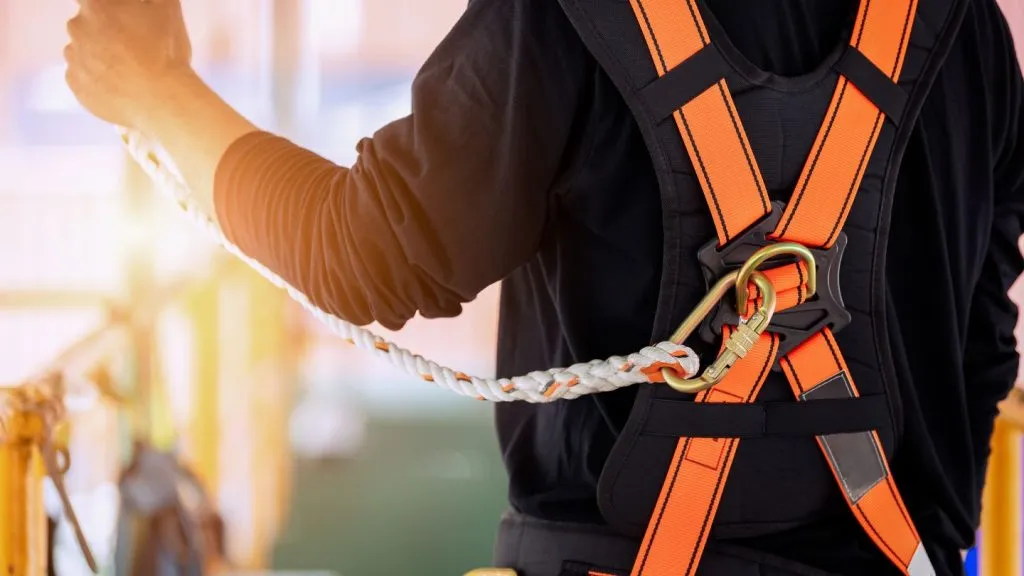
Falls are a common type of accident on construction sites. In fact, falls are the leading cause of injury on construction sites. However, falls can be prevented with proper safety measures. Fall protection equipment drastically reduces the risk of fall injuries.
To effectively prevent falls, it’s essential to identify fall hazards and use fall arrest systems. The following subsections will explore these aspects in more detail.
Identifying Fall Hazards
Common fall hazards on construction sites include ladders, scaffolding, roofs, and elevated areas. Construction workers should look out for slip-and-fall hazards, equipment malfunctions, and potential accidents from tools. Employers must ensure to have guardrails and toe-boards in place around elevated platforms to prevent falls. Following construction safety tips can further enhance protection on the job.
Staying clear of heavy equipment in operation reduces risks of collision due to blind spots. Identifying and mitigating these hazards can significantly reduce the risk of falls and related injuries on construction sites involving heavy objects to prevent injuries and preventing injury, while also addressing important safety considerations.
Using Fall Arrest Systems
Fall protection in construction prevents fatalities, as falls account for a significant proportion of construction-related deaths. Fall protection systems required for work at heights of six feet or more include guardrails, safety nets, and personal fall arrest systems.
Using fall protection systems like harnesses and safety nets is necessary when working at elevated heights. Securing scaffolding and maintaining ladders ensures safe access while using fall arrest systems.
OSHA has identified protection systems for every climb as one of its most frequently cited standards, emphasizing the need for compliance.
Maintaining a Clean and Organized Worksite
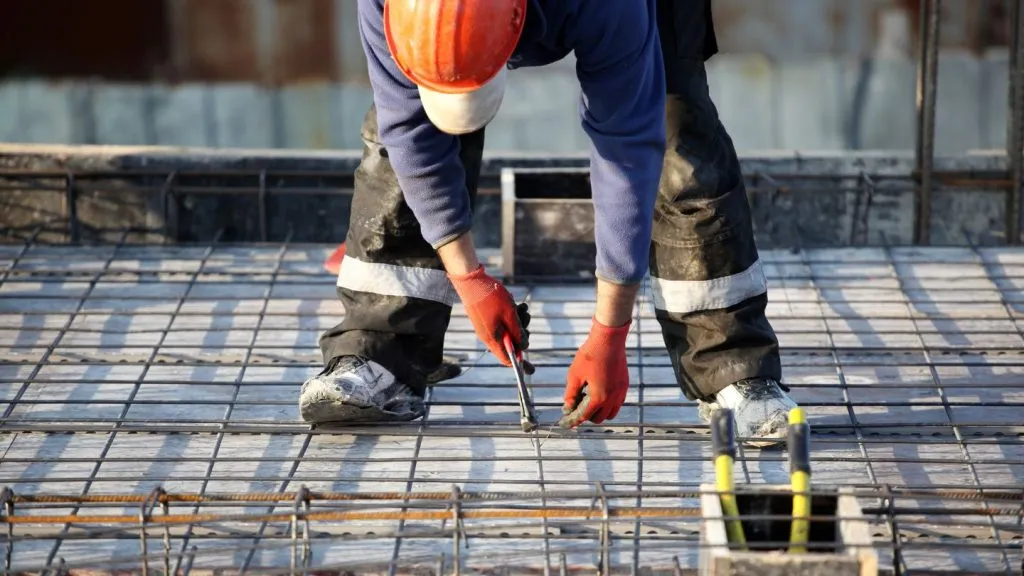
Keeping the construction site clean avoids slips, trips, and falls. Key housekeeping practices include:
- Storing materials in designated areas
- Returning tools after use
- Removing waste regularly
- Securing cords
- Keeping walking paths clear for home projects
A tidy work site reduces potential trip hazards, positively impacting safety and efficiency.
Fall hazards include not only high surfaces but also slippery conditions and inadequate equipment maintenance. The following subsections will discuss managing clutter and proper waste disposal to maintain a clean and organized worksite.
Managing Clutter
Organizing construction tools and materials significantly reduces the risk of injuries in a construction project. Keeping sites organized reduces the risk of injuries and contributes to overall site safety.
Proper Waste Disposal
A robust construction dust management plan is essential for controlling dust and debris. Cleaning schedules help keep the site orderly and clarify cleaning responsibilities, contributing to safety. An unorganized construction site increases the risk of trip and fall accidents, making proper waste disposal even more important.
Managing construction materials and waste maintains a safe work environment. Implementing a proper waste disposal system ensures that debris and waste are regularly removed, keeping the site safe and clean.
Reporting Unsafe Conditions
Workers should feel empowered to report any safety violations, as employers must ensure a hazard-free workplace. Workers should report safety concerns to ensure potential issues are investigated and addressed promptly. Reporting hazards and unsafe conditions immediately prevents minor issues from escalating and promotes a proactive safety culture.
Transparency in construction site safety fosters a safety culture and improves communication about hazards. The following subsections will discuss creating clear reporting channels and supervisor responsibilities.
Creating Clear Reporting Channels
Establishing a reliable reporting mechanism is crucial for effective communication of safety concerns on construction sites. A clear and accessible reporting system ensures that workers can report hazards without hesitation, contributing to overall site safety.
Supervisor Responsibilities
Supervisors are tasked with:
- Directly addressing reported safety issues.
- Playing a crucial role in maintaining a safe work environment on construction sites.
- Escalating safety issues if they cannot be resolved immediately.
Supervisors being proactive in addressing safety concerns helps create a culture of safety and responsible accountability. Supervisors must regularly communicate with workers and address reported hazards promptly.
Read more: Top Tips on How to Choose a Home Builder According to the Experts
Hydration and Breaks
Staying hydrated maintains health and prevents heat stress for construction workers. Workers should drink water regularly, ideally every 15-20 minutes, especially during hot conditions. Regular breaks help construction workers maintain focus and avoid mistakes due to fatigue.
Staying hydrated and taking regular breaks prevent heat stress and fatigue among construction workers. The following subsections will discuss preventing heat stress and recognizing fatigue.
Preventing Heat Stress
To minimize the risk of heat stress and manage heat-related illnesses:
- Stay hydrated.
- Wear light clothing and sunscreen.
- Recognize early signs of heat-related illnesses to prevent serious health issues.
- Remove workers exhibiting symptoms of heat stroke or heat exhaustion from the job site.
- Allow affected workers to recover in an air-conditioned work truck or trailer.
Heat stress can significantly impact a worker’s well-being and productivity. All workers should be aware of the symptoms and preventive measures to maintain a safe and healthy work environment.
Recognizing Fatigue
Signs of fatigue among construction workers include excessive yawning and decreased concentration. Recognizing and addressing fatigue ensures worker safety and productivity on site.
Fatigue is a critical concern in construction work as it can lead to decreased performance and increased risk of accidents.
Emergency Procedures and Exit Routes
Emergency action plans must be specific to the site, addressing unique hazards and evacuation procedures. Emergency procedures must be clearly communicated so workers know how to respond during an emergency. Knowing emergency procedures helps workers navigate safely during crises, minimizing panic and confusion.
Emergency procedures should include clearly marked evacuation routes and designated assembly points to ensure swift actions during crises. Conducting regular drills helps ensure employees know their evacuation routes and assembly points to stay safe.
The following subsections will delve into creating emergency plans and conducting regular drills.
Emergency Plans
Creating effective emergency plans involves assessing potential hazards and defining specific actions for various emergency scenarios. Effective emergency plans should clearly outline evacuation routes and designated assembly points. These plans ensure that everyone on the construction site knows exactly what to do in case of an emergency, reducing confusion and saving valuable time.
Reviewing and updating these plans regularly addresses new potential hazards or changes in the work environment. Familiarizing all workers with emergency plans enhances site safety.
Regular Drills
Regular emergency drills ensure all employees are prepared for various emergency situations. Familiarizing workers with emergency plans helps to reduce confusion and panic during actual emergencies. Conducting these drills on a regular basis improves response times and effectiveness in real emergency scenarios.
Best practices for implementing drills include varying the scenarios, ensuring all workers participate, and reviewing drills afterward for improvement. These practices help identify potential weaknesses in the emergency response plan, such as blocked exits or slow reactions, and provide an opportunity to address them proactively.
Regular Safety Meetings and Trainings
Regular safety training sessions are essential for keeping workers informed about the latest safety practices. Equipment demos, emergency drills, and updates on job site changes can be part of these meetings. They encompass various aspects related to the work environment. Safety meetings and trainings reinforce knowledge of safety protocols and ensure compliance with OSHA standards.
Reminding experienced workers during safety meetings ensures safety is a norm, not an exception. The following subsections will discuss ongoing safety training and specialized task training in more detail.
Ongoing Safety Training
Continuous training keeps construction workers aligned with evolving safety practices. Regular safety training helps reinforce the importance of personal protective equipment, fall protection, and other critical safety measures. OSHA mandates ongoing training to keep workers up-to-date with the latest safety standards.
Ongoing training should be comprehensive, covering various aspects of construction site safety to ensure workers are well-prepared for any situation they may encounter.
Specialized Task Training
Specialized training is often necessary for workers handling hazardous machinery. Hosting a task planning meeting to review safety issues is crucial for an on-site safety plan. This specialized training ensures that workers are equipped with the knowledge and skills to perform their tasks safely and efficiently.
Prioritizing Safety for Every Build
Safety is the backbone of any successful construction project, ensuring that every phase, from groundwork to finishing touches, is completed without unnecessary risk. By following best practices, using proper equipment, and maintaining clear communication, construction teams can protect both workers and future homeowners while keeping projects on schedule and within quality standards.
At Concord Homes, we make safety a core part of every project we undertake. As experts in home construction in Ooltewah, Cleveland, Bradley County, Athens, Ocoee, TN, and the surrounding areas, we combine precision craftsmanship with rigorous safety protocols to deliver results you can trust. Contact now to partner with us to build your dream home with confidence, knowing every detail is handled with care.
Frequently Asked Questions
What are the key areas of OSHA standards that construction managers should focus on?
Construction managers should concentrate on fall protection, safe machinery operation, and the proper use of personal protective equipment to ensure safety on construction sites. These areas are critical for compliance with OSHA standards and the protection of workers.
Why is regular maintenance of PPE important?
Regular maintenance of PPE is essential to guarantee that it maintains its protective qualities and effectively safeguards you against workplace hazards. Without proper upkeep, your safety gear may fail when you need it most.
What are some common fall hazards on construction sites?
Common fall hazards on construction sites include ladders, scaffolding, roofs, and elevated areas, along with slip-and-fall risks and equipment malfunctions. It’s crucial to address these hazards to ensure safety on-site.
How can supervisors contribute to construction site safety?
Supervisors contribute to construction site safety by actively addressing and escalating reported safety issues, ensuring that all concerns are taken seriously. Their vigilance and proactive approach are essential for fostering a culture of safety on site.
What is the importance of conducting regular emergency drills?
Conducting regular emergency drills is crucial as it prepares employees for potential emergencies, minimizing confusion and panic while enhancing response times. This proactive approach ultimately helps ensure safety and efficiency in critical situations.