
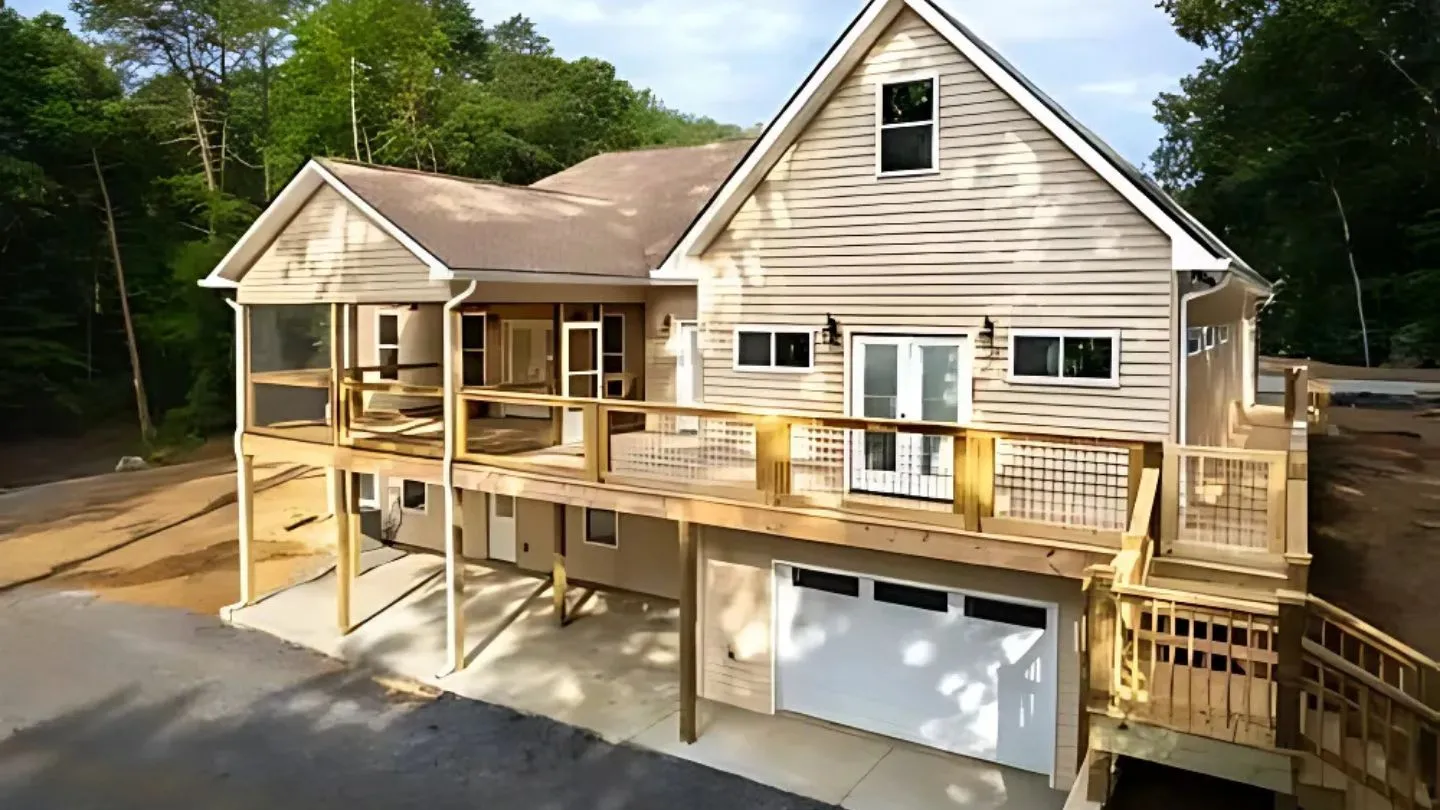
During the home inspection phase, a qualified inspector will examine the property to uncover any issues that might affect its value or safety. Knowing what to expect during the home inspection phase can help you prepare for possible negotiations and understand the condition of the home before finalizing your purchase. This blog will walk you through the inspection process, what inspectors look for, and how the findings can influence your buying decision.
Key Takeaways
- Home inspections are essential in the home-buying process, allowing buyers to identify potential issues and negotiate repairs or price adjustments before finalizing a purchase.
- A qualified home inspector evaluates key areas of the property, including structural, electrical, plumbing, and HVAC systems, focusing on functionality and safety rather than cosmetic aspects.
- Post-inspection negotiations are critical, allowing buyers and sellers to address findings from the inspection report and agree on necessary repairs or credits, with effective communication being key to a successful transaction.
Understanding the Home Inspection Phase
The home inspection phase is a cornerstone of the home-buying process. A home inspection is a non-invasive examination of a home’s structure and systems conducted by a qualified home inspector to ensure the property is in good condition and to uncover any potential defects before finalizing the purchase. This step typically occurs shortly after a seller accepts an offer from a buyer and is essential for ensuring that the price of the home reflects its actual condition.
Scheduling a home inspection helps identify issues in the house, protecting buyers from purchasing problematic properties. If significant problems are revealed during the home inspection, buyers can either back out of the purchase or renegotiate the sale price. On the other hand, sellers can benefit from a pre-listing inspection, which allows them to address issues beforehand and negotiate pricing more effectively.
The information gathered from a thorough home inspection empowers home buyers to negotiate with sellers and fix concerns before closing. Hiring a qualified home inspector avoids surprise expenses and provides necessary information for decision-making.
While home inspections reveal the condition of the home, a home appraisal assesses its value based on location, size, and general condition, making both steps vital in the home-buying process.
The Role of a Home Inspector
Home inspectors play an integral role in the home-buying process. Home inspectors follow state protocols and standards set by organizations like InterNachi or ASHI to ensure a comprehensive evaluation of the property’s condition. They focus on the functionality of the home and its components, including safety and defective systems, rather than cosmetic issues or incomplete areas.
A professional home inspector aims to provide a thorough view of the home’s condition, highlighting potential safety issues and areas needing repair. Different inspectors may find varying issues, leading to differences in reports, so hiring a certified home inspector is essential for obtaining an accurate and reliable inspection report.
Exploring how custom home builders can help you design the perfect floor plan offers valuable insight into creating a space tailored to your lifestyle. Professional builders ensure every design element, from room layout to lighting, enhances comfort, flow, and long-term functionality.
Key Areas Covered in a Home Inspection
A comprehensive home inspection is broken down into several key areas, each focusing on critical aspects of the home’s structure and systems. From the roof to the foundation, inspectors evaluate the house from top to bottom to identify any potential problems.
Common issues identified during home inspections include:
- Roofing problems
- HVAC issues
- Faulty wiring
- Dry rot
- Mold
- Structural damage
Understanding these key areas helps both buyers and sellers prepare for and address any findings in the home inspection report.
Structural Components
Structural components are a vital part of the home inspection. Inspectors examine:
- The foundation for cracks, uneven settling, and other signs of structural instability
- Walls for moisture intrusion, cracks, and overall structural integrity
- Roofs for missing shingles, leaks, and the condition of roofing materials
Other structural elements, such as columns, beams, and supports, are also examined by a structural engineer to ensure stability and safety.
Electrical Systems
Electrical systems are another critical area of inspection. Inspectors evaluate:
- The electrical panel to ensure it is properly labeled and that breakers function correctly
- Wiring for damage, improper installation, or hazards such as exposed wires
- Electrical outlets for accessibility, proper grounding, and the presence of GFCI protection in wet areas
Compliance with local electrical codes is also verified to ensure the electrical system’s safety.
Plumbing Systems
The plumbing system inspection includes examining visible plumbing components such as pipes and fittings for signs of leaks or deterioration and addressing any plumbing issues. Inspectors also evaluate plumbing fixtures like sinks, toilets, and faucets for functionality and damage.
Additionally, water heaters are checked for proper installation, functioning properly, and potential leaks, ensuring the plumbing system is in good working order.
HVAC Systems
Inspecting the HVAC system maintains comfort and air quality in the home. Inspectors assess heating systems, including furnaces, heat pumps, and boilers, for efficiency and safety.
Ventilation systems are examined to ensure proper ventilation and prevent moisture buildup, while air conditioning units and cooling systems are checked for functionality and potential refrigerant leaks.
What Happens During the Inspection?
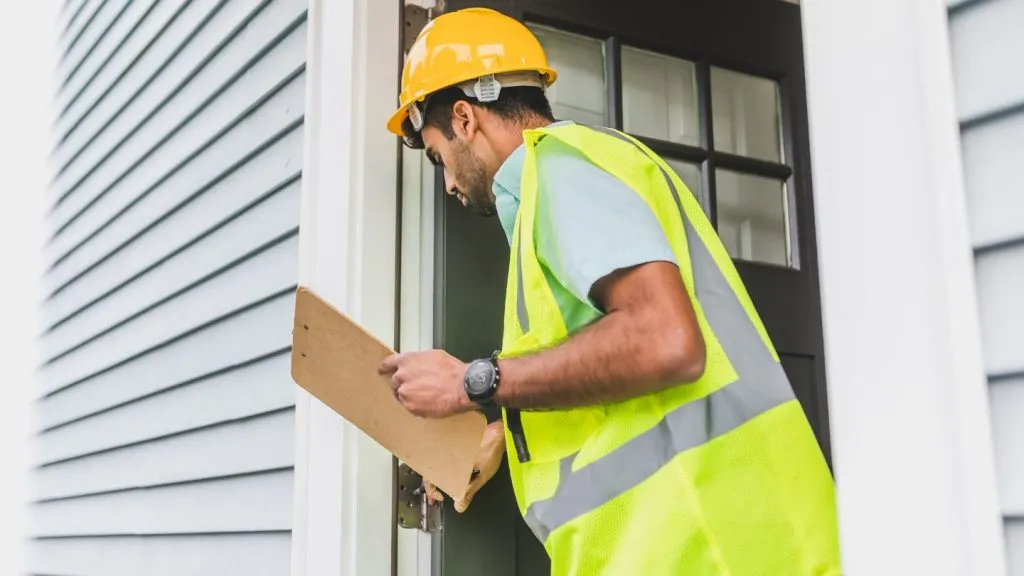
A typical home inspection generally takes two to four hours, depending on the size and condition of the property. During this time, the home inspector methodically evaluates the property, examining both minor and major issues. The buyer, the buyer’s agent, and often the seller’s agent are present to facilitate communication and address any immediate questions. The inspector conducts a thorough walkthrough with the buyer, detailing what to expect and highlighting any concerns in a few hours.
After the inspection, the inspector compiles their findings into a detailed home inspection report. Based on this report, buyers may demand repairs, negotiate the sale price, or even choose to back out of the deal if significant issues are found. This phase is crucial as it ensures that buyers are fully aware of the property’s condition before finalizing the purchase.
Common Issues Found During Inspections
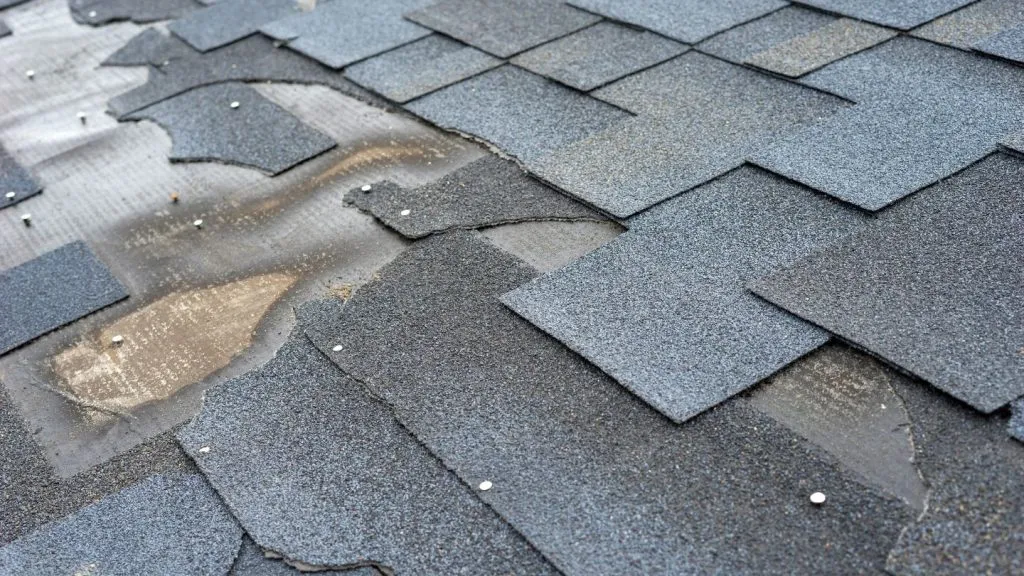
Home inspections often uncover a range of issues, from minor cosmetic problems to significant structural concerns. Understanding these common issues is essential for making informed decisions during the home-buying process, and having a home inspection checklist can help streamline this process. Additionally, a house inspection can provide valuable insights into the property’s condition.
Minor issues might include missing roof shingles, minor leaks, or faulty light switches, while major issues could involve serious structural damage, significant electrical issues, or plumbing leaks that require immediate attention, including major repairs.
Read more: Essential Checklist for Building a Custom Home in Bradley County
Minor Issues
Minor issues, though less critical, can still influence a buyer’s decision. Examples include:
- Missing shingles
- Minor leaks
- Faulty light switches.
While these issues can vary depending on the situation, they may still factor into pricing negotiations or repair expectations.
Acknowledging these minor issues is advisable for both future buyers and sellers to prevent surprises later in the process.
Major Issues
Major issues uncovered during inspections can significantly impact the sale. Common major issues include structural damage, significant electrical deficiencies, and serious plumbing problems. These issues often require immediate repairs or replacements to ensure the home’s safety and integrity.
If such issues are found, the inspector may recommend a specialist for further evaluation and recommendations.
How to Prepare for a Home Inspection
Preparation ensures a smooth home inspection process for both buyers and sellers. Buyers should get all their questions answered to understand the home inspection process and costs. For sellers, a pre-listing inspection can identify issues early, allowing them to make necessary repairs before listing the home.
Both parties should be well-prepared to facilitate a thorough and efficient inspection.
Read more: 15 Essential Questions to Ask a Builder When Building a Home
For Buyers
Attending the home inspection is highly recommended for buyers, even though it is not mandatory. Being present allows buyers to gain insight into the home’s condition, ask informed questions, and understand potential issues better. Buyers should also ask questions throughout the inspection process to clarify any concerns and make informed decisions.
For Sellers
Sellers can prepare for a home inspection by:
- Conducting a pre-listing inspection to catch issues early that could delay the sale.
- Making minor repairs.
- Ensuring access to all areas to facilitate a smoother inspection process.
Sellers are generally advised not to be present during the home inspection to prevent emotional involvement from complicating the process.
Reviewing the Home Inspection Report
Reviewing the home inspection report is critical in the home-buying process. The report provides a detailed overview of the property’s condition, including discovered issues and recommendations. Buyers should pay attention to the severity of the problems noted to determine the importance of each issue and plan necessary repairs.
Buyers and sellers may negotiate repairs or credits based on the findings after reviewing the final report.
Handling Post-Inspection Negotiations
Post-inspection negotiations can determine the final terms of sale between buyers and sellers, including the purchase price and purchase agreement. A home inspection contingency allows buyers to identify serious issues before closing and negotiate repairs or credits accordingly.
If serious issues are discovered, it is important to talk to the home inspector and real estate agent to address them effectively. A home seller should be prepared to address the buyer’s requests and negotiate in good faith.
Read more: Top Tips on How to Choose a Home Builder According to the Experts
Requesting Repairs
When serious issues are found during an inspection, a potential buyer should address these issues before moving forward with the sale. For minor issues, buyers can provide a list to the seller for repair.
Prioritizing safety concerns and structural issues, and communicating effectively with the seller or their Realtor, is important.
Responding to Requests
Sellers should consider the following for effective negotiation:
- Carefully review repair requests to understand their significance and assess necessary responses.
- Be flexible and consider offers that benefit both parties.
- Maintain a collaborative attitude during negotiations to foster goodwill and lead to a successful closing process.
When Additional Inspections Are Needed
Additional inspections may be required to ensure safety and compliance during the home-buying process. Specialized inspections, such as those for environmental hazards or critical systems, can prevent costly future repairs and ensure a safe living environment.
Indicators like visible signs of mold or previous water damage can signal the need for these specialized inspections.
Understanding what you need to know about home construction safety is essential for protecting both your investment and the people involved. Prioritizing site safety, proper materials, and expert supervision ensures a secure, compliant, and high-quality building process.
Importance of Choosing a Qualified Home Inspector
Choosing a qualified home inspector is crucial for a successful home sale. Consider the following when selecting an inspector:
- Ensure the home inspector is certified and meets all local licensing requirements.
- Research and shop around for inspectors.
- Ask for a sample report.
- Consider referrals from trusted sources.
Hiring a professional home inspector ensures a thorough evaluation by certified home inspectors and an accurate evaluation of the property.
Final Thoughts
The home inspection phase plays a vital role in helping buyers make informed decisions before finalizing a purchase, especially when working with a reputable home construction company in Cleveland TN. From uncovering potential issues to facilitating fair negotiations, every step ensures transparency and confidence in your investment. A thorough inspection not only safeguards your finances but also confirms the long-term safety and integrity of your future home.
At Concord Homes, we specialize in new home construction in Athens, TN, offering expert guidance through every phase of your homebuilding journey. As a home builder in Athens, TN, Bradley County, TN, and Ocoee, TN, we are committed to bringing your vision to life through exceptional craftsmanship, thoughtful design, and spaces built to the highest standards of quality and comfort.
Whether you’re building a new home or planning a remodel, we provide professional insight and dedicated support from concept to completion.
Frequently Asked Questions
What is the main purpose of a home inspection?
The main purpose of a home inspection is to assess the condition of a property’s structure and systems, identifying any potential defects before completing the purchase. This assessment helps buyers make informed decisions and ensures they are aware of necessary repairs.
What should I do if serious issues are found during the inspection?
If serious issues are found during the inspection, you should negotiate repairs or credits with the seller or consider withdrawing from the purchase. It is essential to consult with your home inspector and real estate agent to determine the best course of action.
Do I need to be present during the home inspection?
It is highly recommended that you be present during the home inspection, as this allows for a better understanding of the property’s condition and the opportunity to ask informed questions. This presence can significantly enhance your knowledge of potential issues.
What are the benefits of a pre-listing inspection for sellers?
A pre-listing inspection is beneficial for sellers as it enables them to uncover and address issues beforehand, leading to smoother negotiations and a quicker sale. This proactive approach can enhance the property’s appeal and trustworthiness to potential buyers.