
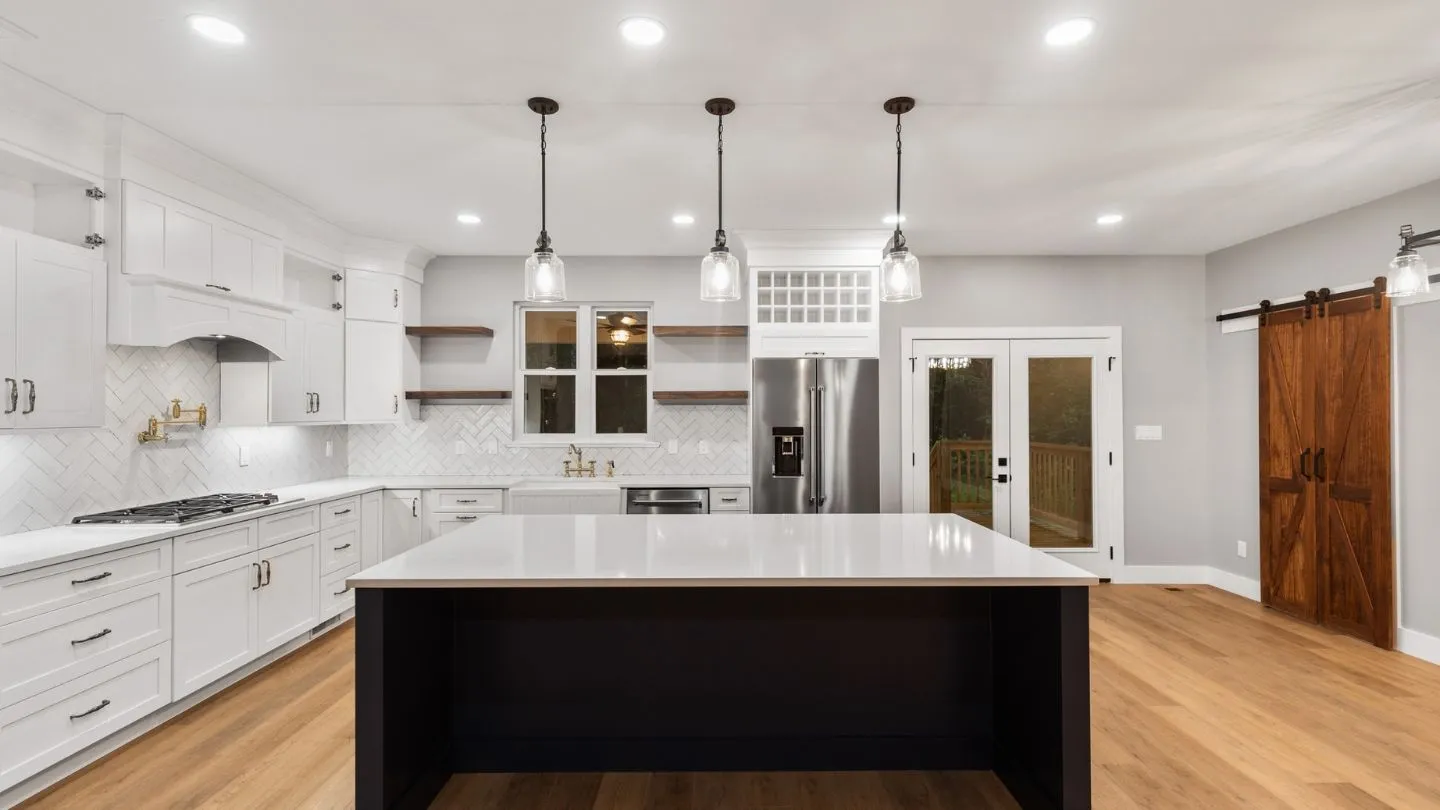
Modern design has become a defining force in how we shape our homes, products, and visual experiences today. Its clean lines and thoughtful simplicity create environments that feel both functional and inspiring. Rooted in clarity, it embraces openness, purposeful choices, and a sense of calm. Whether in interiors, graphics, or architecture, it reflects a shift toward mindful living and aesthetics that endure. In this blog, we’ll explore the key characteristics that make modern design truly timeless.
Key Takeaways
- Modern design is defined by clean lines, geometric forms, and minimal ornamentation, creating structured and visually balanced spaces.
- Open floor plans enhance flow, maximize natural light, and reflect contemporary lifestyles that blend living, dining, and cooking areas.
- The use of natural and industrial materials, like wood, steel, glass, and concrete, showcases authenticity and durability.
- A neutral, monochromatic color palette allows architectural elements and textures to stand out, with accent colors used sparingly.
Key Characteristics of Modern Design
The characteristics of modern design revolve around several core principles that distinguish it from other design styles. These elements work together to create spaces that feel both timeless and contemporary, emphasizing functionality without sacrificing visual appeal.
Clean, Straight Lines with Minimal Ornamentation
Modern design is defined by its commitment to clean lines and geometric forms. Horizontal and vertical lines dominate the architectural elements, creating visual balance and order throughout the space. You’ll notice the absence of curved moldings, decorative trim, or ornate details that characterize Victorian design and other traditional styles.
This emphasis on straight lines extends to every aspect of modern interiors, from built-in cabinetry with flat-panel doors to furniture with sharp angles and crisp edges. The geometric shapes, primarily rectangles and squares, organize the space with mathematical precision, contributing to the overall sense of order that defines the modern style movement.
Open Floor Plans and Spatial Flow
One of the most recognizable characteristics of modern style homes is the open floor plan. Rather than compartmentalizing spaces into separate rooms, modern design emphasizes flow and functionality. Fewer walls separate the kitchen, dining, and living areas, creating a seamless transition between functional spaces.
This open concept approach serves multiple purposes beyond aesthetics, supporting the kind of thoughtful spatial planning often created with the help of custom home builders who design the perfect floor plan. It maximizes natural light penetration throughout the home, makes smaller spaces feel larger, and supports contemporary lifestyles where cooking, entertaining, and family time often overlap. The strategic use of furniture and area rugs helps define different zones within the open space without sacrificing the overall flow.
Read more: Open vs. Traditional Floor Plans: Which One Works Better?
Natural Materials in Their Pure Forms

Modern design celebrates natural materials like wood, steel, glass, and stone, presenting them in their authentic states rather than disguising them with decorative treatments. Light wood species such as oak, walnut, and teak feature prominently in modern furniture and architectural elements, showcasing their natural beauty and grain patterns.
Industrial materials also play a crucial role in the modern aesthetic, reflecting architectural innovation similar to what a home construction company contributes to custom home design when shaping structural elements. Exposed steel beams, concrete floors, and large glass panels demonstrate the design style’s connection to the machine age and mass production era. These materials are chosen not only for their visual impact but also for their durability and honest expression of their inherent properties.
Neutral and Monochromatic Color Palettes
The modern color palette relies heavily on neutral colors and monochromatic schemes. Whites, blacks, and varying shades of gray form the foundation, while earth tones like beige, brown, and cream add warmth to prevent spaces from feeling sterile. This restrained approach to color allows the architectural elements and natural materials to take center stage.
When accent colors appear in modern spaces, they’re used sparingly and strategically. Primary hues like red, blue, or yellow might appear in a single piece of modern art or a carefully chosen accent chair, creating visual interest without overwhelming the neutral color palette. This disciplined approach to color contributes to the timeless quality that makes modern design endure across decades.
Abundant Natural Light Through Large Windows
Natural light is essential to modern interior design, achieved through floor-to-ceiling windows, large unobstructed glass panels, and minimal window treatments. The integration of indoor and outdoor spaces through architectural design creates a seamless connection with nature while flooding interiors with daylight.
Window treatments, when used, are typically simple and functional; sheer panels that filter light without blocking it, or sometimes no coverings at all. This approach maximizes the visual connection to outdoor spaces while supporting the clean, uncluttered aesthetic that defines modern style.
Functional Furniture with Purpose-Driven Design
Modern furniture embodies the “form follows function” philosophy with pieces that serve clear purposes while maintaining simple silhouettes. Multi-functional furniture like storage ottomans, expandable dining tables, and modular seating arrangements reflect the practical mindset of modern design.
The most basic form of each piece is emphasized rather than embellished. A modern dining table might feature a simple rectangular top supported by clean metal legs, while a sofa maintains straight lines and minimal detailing. This approach creates furniture that remains relevant across changing trends while serving everyday needs effectively.
Minimal Decorative Elements with Clear Purpose
Modern interiors practice careful curation when it comes to decorative objects. Every item serves a clear purpose, whether functional or aesthetic. Rather than filling surfaces with numerous small accessories, modern design favors a few carefully chosen pieces that make a strong visual impact.
This minimal approach to decor creates uncluttered surfaces and emphasizes negative space as a design element. Built-in storage solutions like floor-to-ceiling bookcases and hidden cabinets help maintain the clean aesthetic while providing practical organization for everyday belongings.
Origins and Historical Context of Modern Design
Understanding the historical aesthetic movement behind modern design helps explain its enduring characteristics and principles. The modern art movement didn’t emerge in isolation; it developed as a direct response to specific cultural and technological changes that reshaped the world in the early twentieth century.
Reaction Against Victorian Maximalism
Modern design emerged in the early 1900s as a deliberate rejection of the heavily ornamented Victorian era. Where Victorian interiors featured elaborate wallpapers, heavy draperies, and ornate furniture, the modern design movement embraced simplicity and restraint. This shift reflected changing social attitudes and a desire for homes that supported more casual, functional lifestyles.
The movement gained momentum as designers and architects began questioning why buildings and interiors needed to reference historical styles. Instead of copying past architectural traditions, modern design sought to create something entirely new that reflected contemporary life and technological capabilities.
German and Scandinavian Architecture Influence
The Bauhaus school in Germany profoundly shaped modern design principles with its emphasis on functionality and industrial methods. Founded in 1919, Bauhaus promoted the idea that good design should be accessible to everyone through mass production techniques. This philosophy directly influenced the standardized, geometric forms that became hallmarks of the modern style.
Scandinavian design contributed its own distinct style to the modern movement, emphasizing the connection between interior spaces and the natural world. Scandinavian architecture introduced the use of light wood, simple forms, and large windows that brought the outdoors inside; elements that remain central to modern design today.
Machine Age and Industrial Innovation
The machine age brought new materials and construction techniques that enabled previously impossible architectural features. Steel frame construction allowed for larger spans without supporting walls, making open floor plans feasible. Similarly, advances in glass production made it possible to install floor-to-ceiling windows that would have been prohibitively expensive or structurally impossible in earlier eras.
This technological progress aligned perfectly with modern design philosophy. Rather than hiding these innovations, modern architects and interior designers celebrated them, incorporating exposed structural elements and industrial materials as decorative features in their own right.
Mid-Twentieth Century Design Icons
The mid-century modern period, spanning the 1940s through 1960s, produced some of the most recognizable furniture pieces in design history. Designers like Charles Eames, Arne Jacobsen, and George Nelson created chairs, tables, and lighting fixtures that embodied modern principles while achieving unprecedented commercial success.
These pieces demonstrated that modern design could be both functional and beautiful, accessible yet sophisticated. The clean lines and innovative materials used in mid-century furniture continue to inspire contemporary interior designers and remain popular in today’s modern homes.
Essential Design Elements
The practical application of modern design principles manifests through specific design elements that work together to create cohesive, functional spaces. Understanding these elements helps homeowners and designers implement modern aesthetics effectively.
Clean Lines and Geometric Forms
Geometric shapes provide the structural foundation for modern spaces, with horizontal and vertical lines creating visual order and balance. Rectangular forms dominate everything from furniture layout to architectural features, while curved elements are used sparingly and purposefully when they appear.
Grid-based layouts organize space with mathematical precision, a principle that aligns naturally with how custom home builders are key to designing a house that balances functionality and aesthetics. This systematic approach reflects modern design’s connection to industrial production methods and rational planning principles.
The absence of unnecessary detailing extends to trim work, cabinetry, and built-in elements. Baseboards remain low-profile, door frames eliminate decorative moldings, and cabinet doors feature flat panels rather than raised or recessed designs. These choices eliminate unnecessary ornamentation while emphasizing the essential structure of each element.
Minimalist Approach and Functional Design
The “less is more” philosophy drives decision-making throughout modern spaces, from furniture selection to accessory placement. This doesn’t mean spaces feel empty; instead, every element serves a purpose and contributes to the overall design concept.
Built-in storage solutions integrate seamlessly with architectural elements, providing necessary organization without cluttering visual space. Floor-to-ceiling bookcases, hidden pantry storage, and wall-mounted cabinets maintain clean sight lines while serving practical needs.
Uncluttered surfaces and carefully curated accessories create breathing room and visual calm. Modern spaces emphasize the importance of negative space, treating empty areas as positive design elements rather than voids that need filling.
Natural Materials and Authentic Textures

The modern approach to materials emphasizes authenticity and honest expression. Wood appears in its natural state, showing grain patterns and color variations rather than being painted or heavily stained. Steel elements maintain their metallic finish, while concrete surfaces reveal their texture and subtle color variations.
Large glass panels serve multiple functions, providing natural light, visual transparency, and connection to outdoor spaces. The material choices reflect both aesthetic preferences and practical considerations; these materials age well, require minimal maintenance, and support the longevity that modern design values.
Leather upholstery and natural fiber rugs add tactile interest and warmth without compromising the clean aesthetic. These elements prevent modern interiors from feeling cold or institutional while maintaining the sophisticated simplicity that defines the style.
Color Palette and Natural Lighting
Monochromatic color schemes create sophisticated backdrops that highlight architectural features and natural materials. Black, white, and gray combinations provide timeless elegance, while warm neutral tones like cream and beige soften potential starkness.
Strategic use of accent colors follows modern design’s principle of restraint. A single bold hue might appear in artwork or a statement furniture piece, creating visual interest without overwhelming the space. This disciplined approach ensures that color supports rather than dominates the overall design concept.
Natural light serves as both a functional requirement and a design element in modern spaces, an essential consideration for anyone exploring the ultimate guide to designing a custom home. Floor-to-ceiling windows maximize daylight penetration, while strategic mirror placement amplifies and reflects light throughout the interior. This emphasis on natural illumination reduces dependence on artificial lighting during daytime hours and creates dynamic spaces that change throughout the day.
Modern Design vs Contemporary Style
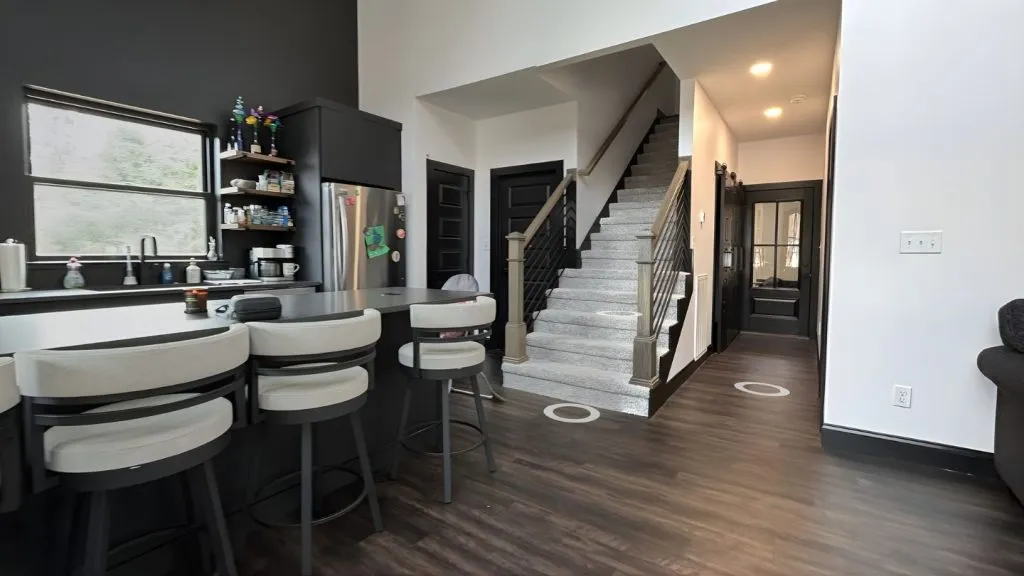
Understanding the distinction between modern design and contemporary style helps clarify terminology that’s often used interchangeably but refers to different design approaches. This knowledge proves valuable when communicating with designers, contractors, or real estate professionals.
Contemporary design, by contrast, reflects current trends and evolving preferences. A contemporary space today might incorporate modern elements alongside industrial, minimalist, or even traditional details, depending on what’s currently popular. Contemporary interior design adapts to new technologies, materials, and lifestyle changes in ways that historical modern design does not.
The material palette offers another point of distinction. Modern design emphasizes timeless materials like wood, steel, and glass that age gracefully and maintain their appeal across decades. Contemporary approaches might embrace new synthetic materials, innovative finishes, or experimental combinations that reflect current technological capabilities.
Bringing It All Together
Modern design is defined by clean lines, functional layouts, open spaces, and an emphasis on simplicity paired with comfort. Its blend of minimalism, natural materials, and intentional balance creates spaces that feel both timeless and deeply livable. Whether in architecture, interiors, or new home construction in Cleveland, TN, the characteristics of modern design continue to evolve while staying rooted in clarity, purpose, and beauty.
At Concord Homes, we take pride in turning thoughtful design principles into real, livable spaces. As a custom home contractor in Ooltewah, TN, we focus on creating homes that reflect your lifestyle, elevate everyday living, and embody the best elements of modern design. Our dedication to quality craftsmanship also makes us a preferred choice for those seeking a home builder in Athens, Bradley County, and Ocoee, TN. Explore our individual custom homes and available properties to find the perfect fit for your lifestyle and vision. If you’re looking to build a space that feels personal, functional, and beautifully crafted, we’re here to guide you every step of the way. Ready to bring your modern home vision to life? Let us help you design and build a space that truly feels like home; crafted with intention, built with care, and inspired by the way you want to live.
Frequently Asked Questions
What is the main goal of modern design?
The primary goal of modern design is to create functional, uncluttered spaces that prioritize simplicity, clean lines, and practical living without unnecessary ornamentation.
How is modern design different from contemporary design?
Modern design refers to a historical style rooted in the early to mid-20th century, while contemporary design reflects current trends and evolves over time. Contemporary spaces may include modern elements but also pull from other styles.
What colors are most commonly used in modern interiors?
Modern interiors typically use neutral tones such as white, black, gray, beige, and warm earth shades. Bright colors are used sparingly, often as accents in art or furniture.
Can modern design work in small spaces?
Yes. Modern design’s emphasis on open layouts, multifunctional furniture, and minimal clutter makes it especially effective in smaller homes or apartments, helping them feel more spacious.
What materials best represent modern design?
Natural and industrial materials like wood, steel, glass, concrete, and natural fibers are staples of modern design. These materials showcase authenticity and contribute to the clean, timeless aesthetic.