
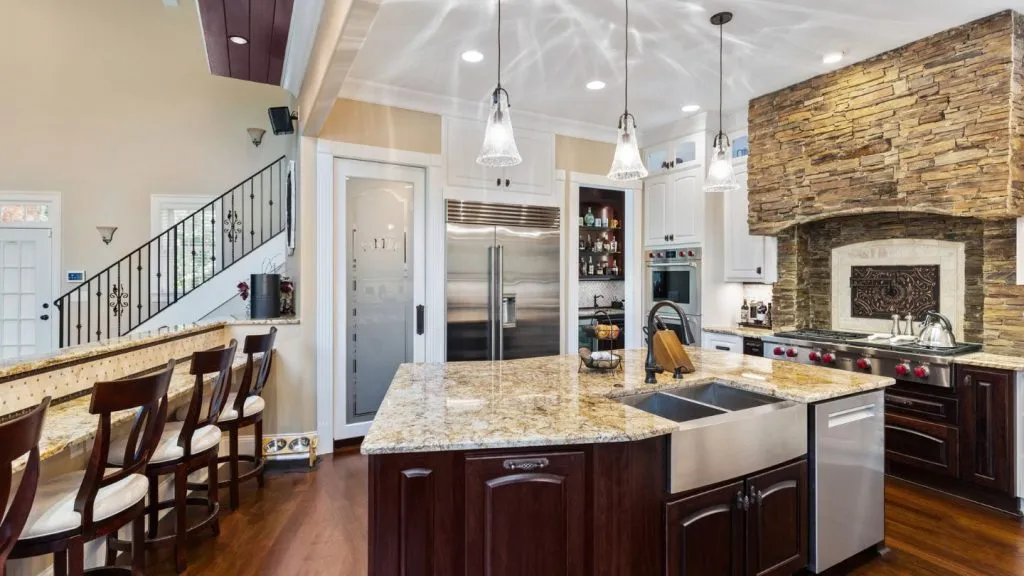
The way your kitchen and living areas are arranged has a lasting impact on how your home feels and functions every day. These spaces shape daily routines, social gatherings, and how easily your household moves through the home. Thoughtful layout planning helps balance openness, comfort, and practicality. When designed intentionally, these areas support both everyday living and long-term flexibility. In this blog, we’ll explore how strategic kitchen and living area layouts influence flow, noise control, and usability, and how smart planning during new home construction creates spaces that adapt to changing lifestyles while maintaining comfort and value.
Key Takeaways
- Kitchen and living area layouts directly affect daily routines, comfort, and long-term resale value for new homes built.
- The strategic choice between open concept layouts and more separated spaces shapes how your household cooks, relaxes, entertains, and works from home.
- Good layouts balance natural light, acoustics, traffic flow, and furniture placement, not just aesthetics.
- Planning these spaces early in design (before permits and framing) avoids costly structural changes later.
- The “best” layout depends on your specific household patterns, budget, and future flexibility needs.
Why Kitchen and Living Area Layouts Matter in New Home Construction
How your first-floor kitchen and living room connect determines almost everything about how you’ll actually use your home. This is where you’ll cook dinner after long days, supervise kids playing while prepping meals, host holiday gatherings, and maybe even squeeze in remote work between meetings. It’s not just one room, it’s the heart of daily life.
In new construction, especially homes built after 2020, the kitchen and living areas typically occupy 40–60% of the main floor footprint. That makes this layout the single most important design decision you’ll make. Modern architects and builders now treat this entire area as a “great room system” rather than separate rooms, which means circulation paths, sightlines, utility runs, and structural elements all need to be coordinated from day one. Modern architects and builders now treat this entire area as a “great room system,” a shift driven by understanding how custom home builders help design the perfect floor plan so circulation paths, sightlines, utilities, and structure work together seamlessly.
Here’s what the layout directly affects:
- Natural light paths, where windows go, and how daylight travels through the space
- HVAC efficiency, how easily the entire area can be heated and cooled
- Noise levels, whether kitchen sounds disrupt the living space
- Supervision and safety, Sightlines to kids or pets from the cooking zone
- Furniture flexibility, how many arrangement options will you have over time
Open-Concept Kitchen and Living Areas in New Homes
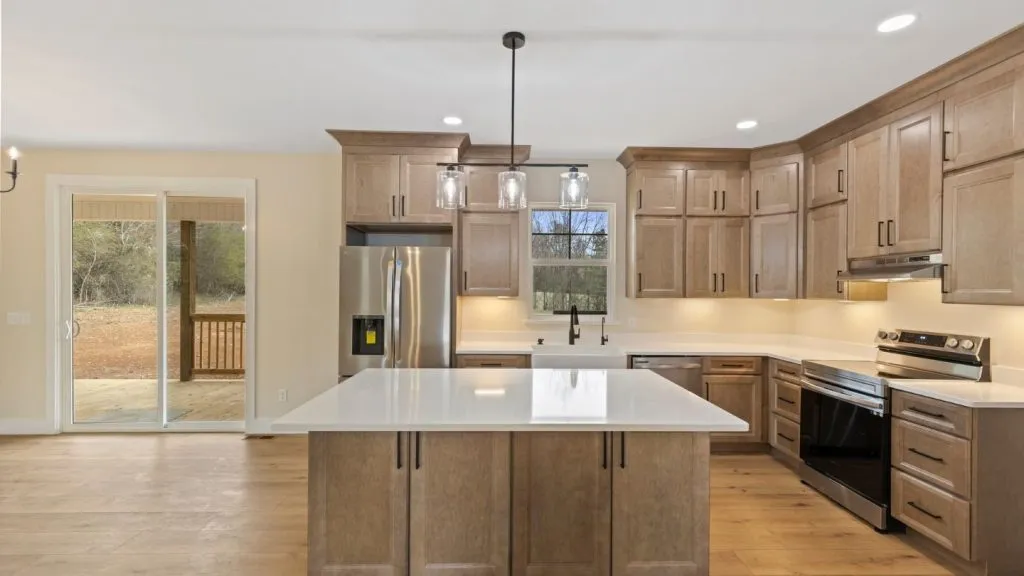
Open concept kitchens merge the kitchen, dining area, and living space by eliminating walls and doors on the main floor. Instead of navigating through distinct rooms, you move through one large, connected zone where cooking, eating, and relaxing all happen within sight of each other.
Before we dive into whether this is right for you, let’s look at the specific advantages and drawbacks.
Main Advantages of Open-Concept Layouts
Open concept living genuinely changes how families interact. When the kitchen flows directly into the living and dining areas, the cook isn’t isolated behind closed doors. You can prep vegetables while chatting with guests, help with homework at the dining table, or keep an eye on little ones in the adjacent living space.
Here’s what draws many homeowners to open floor plan layouts:
- Social interaction, Family members stay connected even during meal prep, and entertaining guests feels natural rather than cramped
- Increased natural light. When you’re removing walls between the kitchen and living room, light from windows on one side can flow freely across the entire area
- Supervision made simple, Parents can watch kids playing or monitor pets without constantly moving between separated spaces
- Flexible furniture arrangement, You can use area rugs, lighting groups, and portable storage solutions to create distinct zones without permanent walls
- Resale appeal, Many buyers scanning listings in 2024–2026 still specifically search for “open floor plan” features
The improved flow between spaces also makes the home photograph well for future listings, something worth considering if you might sell within 10–15 years.
Separated or Semi-Separated Kitchen and Living Layouts
Not every household thrives in a wide-open floor plan. Many custom homes built after 2020 are shifting toward “semi-open” or “broken plan” layouts that preserve some separation without returning to the fully compartmentalized designs of past decades.
These layouts might place the kitchen toward the rear of the home with the living room partially enclosed by a half-wall, wide archway, or casement opening. You still get visual connection and some shared light, but with more control over noise, smells, and sightlines.
Semi-separated plans are particularly popular for:
- Multigenerational households where different family members have different schedules
- Homeowners who frequently host overnight guests
- Those who work from home and need quieter zones
- Families where one person is a serious cook who prefers focus over socializing while preparing meals
Benefits of Defined, Separate Spaces
When the kitchen and living areas have some degree of separation, daily life changes in meaningful ways.
| Benefit | How It Helps |
| Privacy and quiet | Reading, working, or napping can happen away from the kitchen activity. |
| Odor control | Doors or partial walls limit how cooking smells spread through the house. |
| Design flexibility | Each room can have its own color palette, lighting design, or flooring without needing to coordinate everything. |
| Easier furniture placement | Enclosed rooms have predictable walls for anchoring sofas, TVs, and focal point features. |
| Energy efficiency | In cold climates, smaller, closable rooms are more efficient to heat than one large volume. |
A closed kitchen also lets you hide the mess when entertaining, guests enjoy the living room while you plate food behind a door.
Designing Functional Kitchen–Living Layouts in New Builds
This is where the real planning happens. Before your builder finalizes structural engineering, window orders, and mechanical rough-ins, recognizing the essential things you need to know when choosing the right floor plan helps ensure the main floor supports daily routines without friction.
The goal isn’t to pick what looks best in a magazine. It’s to design a layout that supports your morning routines, evening cooking, homework sessions, TV time, and holiday hosting without constant friction.
Here’s what to work through with your architect or builder:
- Circulation patterns: How do people move through the space?
- Activity zoning: Where do different functions happen, and do they conflict?
- Light and views, which areas get the best windows and outdoor connections?
- Acoustic control: How will you manage noise between zones?
Zoning for Different Activities
Even in an open space, you can create distinct zones for different activities without building walls. This is about being intentional with design elements that signal “this area is for X, that area is for Y.”
Zoning tools that work:
| Tool | How to Use It |
| Ceiling changes | Dropped soffits or beamed sections can define the kitchen zone. |
| Lighting groups | Pendant lights over the island, recessed lights in work areas, and accent lighting in the living zone |
| Area rugs | A rug under the living room furniture anchors that zone visually |
| Furniture arrangement | The back of a sofa can subtly divide the living from the dining areas. |
| Flooring transitions | Different materials or patterns can signal zone changes. |
Light, Views, and Window Placement
Where you position large windows and sliding doors determines whether your kitchen or living room gets the best views, and how much natural light each zone enjoys.
Planning considerations:
- Combining kitchen and living areas lets windows on one side light both zones, reducing daytime reliance on artificial lighting
- If you’re using partial separations or interior glass partitions, they can preserve light flow while blocking some noise or visual clutter
- South- or west-facing great rooms may need shading strategies (overhangs, blinds, or trees) to prevent overheating on summer afternoons
- Coordinate window size and height with major furniture pieces early; you don’t want a beautiful picture window blocked by the back of your sofa
Increased natural light does more than make spaces feel welcoming. It can genuinely improve mood and may even help with seasonal depression during darker months.
Acoustics and Noise Control
Hard surfaces common in kitchens, such as tile, stone, quartz, and hardwood, cause sound to bounce. In an open layout, this can make the entire area echo and feel noisy, especially when multiple activities happen simultaneously.
Strategies for better acoustics:
- Soft furnishings, Area rugs, upholstered furniture, and fabric window treatments absorb sound
- Appliance placement, Locate the range hood, dishwasher, and built-in microwave away from the main TV or reading zone where possible
- Adjacent room insulation, Plan for solid-core doors and better insulation around home offices or guest rooms that share walls with the great room
- Early conversations, discussing acoustic goals with your builder during design, are far cheaper than fixing echo after move-in
You can’t fully match the privacy of separate rooms in an open plan, but thoughtful planning significantly improves the experience.
Kitchen Features That Shape the Adjoining Living Area
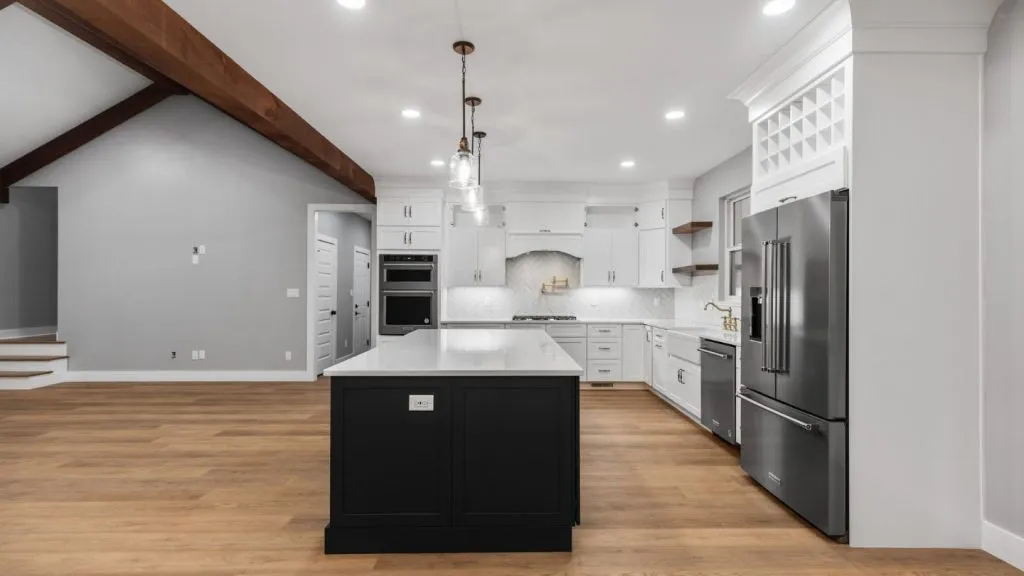
Certain kitchen design choices have an outsized impact on how the neighboring living space feels and functions. In homes completed, large islands, ventilation systems, and cabinet layouts often dictate furniture placement in the lounge area, whether you plan for it or not.
Planning visually calm, well-organized kitchen backdrops prevents the living area from feeling cluttered or “busy.” What you see from the sofa matters as much as what you see from the kitchen sink.
Island design considerations:
| Factor | What to Think About |
| Length and depth | Controls how many people can sit facing the living room |
| Orientation | Should seating face the TV, the cooking zone, or a window? |
| Height variations | Multi-level or waterfall designs can hide messy prep areas from the sofa. |
| Clearances | Leave 36–42 inches minimum around all sides to avoid bottlenecks. |
| Functions | Can include a secondary sink, cooktop, or wine fridge for added convenience |
In tighter floor plans where a full island would feel cramped, a peninsula can serve similar functions while taking less floor space and keeping traffic flow smooth.
Read More: How Home Contractors Can Help You Create a Functional and Stylish Kitchen?
Storage, Clutter Management, and Sightlines
In any layout where the kitchen is visible from the living area, adequate storage is essential for keeping countertops clear and views tidy. What your guests see from the sofa should feel intentional, not chaotic.
Storage planning priorities:
- Deep drawers for pots, pans, and small appliances
- Tall pantry cabinets to consolidate food storage
- Hidden recycling and trash centers
- Appliance garages or concealed coffee stations for daily-use items
- Designated drop zones for mail, keys, and backpacks so these items don’t scatter across the entire area
Align upper cabinets, range hoods, and any open shelving so the composition looks deliberate from multiple vantage points. More space for storage solutions now means less visual stress later.
Visual Cohesion Between Kitchen and Living Area
When you can see the kitchen from the living room (and vice versa), design coordination matters; clashing styles or finishes can make even a well-planned open layout feel disjointed.
Cohesion strategies:
- Coordinate color palettes, Match cabinet hardware with living room lighting fixtures; echo a backsplash color in throw pillows
- Flooring continuity, Running the same hardwood or luxury vinyl through both spaces makes the area feel larger and more unified
- Choose quieter kitchen finishes. Let the artwork or a fireplace in the living room become the focal point rather than competing with bold cabinets
- Repeat key elements. A few shared design touches (wood tones, metal finishes, material textures) link the spaces without over-matching
A consistent design language also helps new homes photograph better for future listings and online tours, a practical benefit for real estate value down the road.
Balancing Lifestyle, Budget, and Future Flexibility
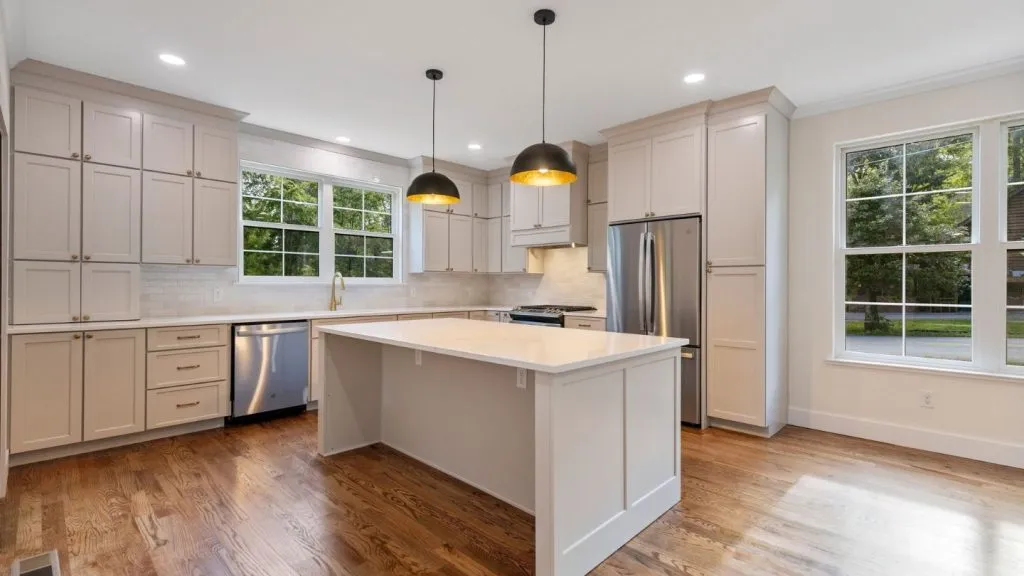
Making final layout decisions means applying principles that reflect how to choose the perfect floor plan for your custom home while balancing lifestyle needs, budget realities, and long-term adaptability. There’s no universally “correct” answer, only what works for your household.
The best layouts:
- Match how you actually live (not how you imagine living)
- Fit within realistic budget and structural limits
- Allow for future changes without major renovation
Matching Layout to How You Live
Before finalizing plans, honestly assess your daily and weekly patterns. What actually happens on your main floor?
Questions to work through:
- Do family members spend time together while cooking, or does the cook prefer to focus?
- How often do you host, and are they casual gatherings or formal dinners?
- Does anyone work from home and need quiet during the day?
- How do you feel about tidying? Will a visible mess stress you out?
- What do kids need: play space in sightlines, or separate rooms for noise?
Practical suggestions:
- Families who cook together and host frequently may prioritize open sightlines and a generous island over a separate formal living room
- Those who value quiet reading, music practice, or focused work might prefer semi-open layouts with an enclosed den nearby
- Visit model homes or showrooms built to experience different layouts in person before signing off on plans
- Be honest about housekeeping habits, an open kitchen means choosing materials that hide fingerprints and committing to regular tidying
Read More: How to Choose the Right Home Builder for Your Custom Home
Designing Spaces That Truly Work
Kitchen and living area layouts play a defining role in how a home feels and functions every day. Thoughtful planning balances openness, noise control, circulation, and flexibility, ensuring spaces support both daily routines and special gatherings. When these layouts are designed intentionally from the start, they enhance comfort, usability, and long-term value.
Concord Homes provides experience-driven planning and clear communication for families planning new home construction in Ooltewah, TN, ensuring every project is guided with care and clarity from the start. Whether planning an individual custom home or exploring available properties, layout decisions benefit from expert guidance. We invite you to work with us to create kitchen and living spaces that fit your lifestyle today and adapt seamlessly for the future.
Frequently Asked Questions
How early in the design process should I finalize my kitchen–living layout?
The core kitchen–living layout should be finalized before structural engineering, window ordering, and mechanical planning begin. For homes targeting 2025–2026 completion, this typically occurs several months before framing. Late changes can trigger redesigns, delays, and significant cost increases.
Can I get good sound control in an open plan without adding walls?
While open plans can’t match the acoustics of enclosed rooms, sound control can be improved. Area rugs, upholstered furniture, fabric window treatments, and acoustic panels help absorb noise. Strategic appliance placement and access to a nearby enclosed room also support quieter daily use.
What is a practical minimum size for a combined kitchen–living area?
For smaller homes, a combined kitchen, dining, and living area of roughly 350–450 square feet allows functional zoning without crowding. Final sizing depends on furniture layout, household size, traffic flow, and how many people regularly use the space at one time.
How do I choose between a large island and a separate dining room?
Households focused on casual meals often prioritize a larger island with seating and may skip a formal dining room. Families who host formal dinners or holiday gatherings usually prefer a dedicated dining space. Base the decision on everyday habits rather than occasional events.