
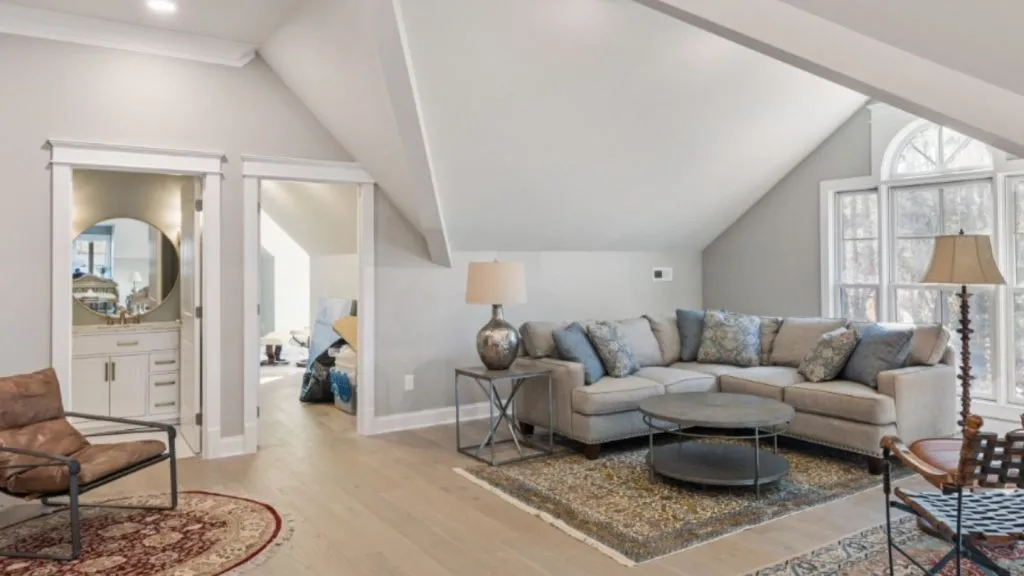
Natural light plays a powerful role in how a home looks, feels, and functions throughout the day. From mood and comfort to energy use and visual flow, daylight influences far more than just window placement. Thoughtful planning ensures light enhances spaces rather than creating glare or heat issues. When addressed early, it becomes a defining design asset. In this blog, we’ll explore how natural light influences floor plan decisions, window placement, and room orientation, and why integrating daylight strategies early in new home construction leads to brighter, more comfortable, and better-performing living spaces.
Key Takeaways
- Natural light is a core driver of modern floor plan design, influencing room placement, wall configuration, and roof structure from the earliest design stages rather than being treated as a finishing detail.
- Proper orientation, especially capturing southern and eastern light, improves daily comfort, supports well-being, and helps reduce long-term energy costs.
- Main living spaces benefit the most from intentional daylight planning, shaping how kitchens, dining areas, and great rooms feel throughout the day.
- Open layouts, larger windows, and interior finishes are increasingly selected to distribute daylight effectively across connected spaces.
- Successful designs balance abundant natural light with privacy, glare control, and energy efficiency, avoiding costly fixes after construction is complete.
Why Natural Light Drives Modern Floor Plan Layouts
Since around 2015, buyers of new construction have consistently ranked “light-filled interiors” among their top three must-have features. This isn’t just about aesthetics; it’s about how a home makes you feel the moment you walk through the door. When rooms are bright and connected to the outdoors, daily life simply feels better. Buyer preferences around daylight often intersect with decisions about openness, making it important to weigh open vs traditional floor plans in how effectively they distribute light through primary living spaces.
Natural light now influences which side of the lot receives the great room, kitchen, and dining areas, rather than purely aesthetic or circulation considerations. Design teams, architects, builders, and energy consultants run daylight models early in planning, especially for homes built to 2021 IECC or similar energy codes, to optimize window placement before walls are ever drawn.
These early decisions affect ceiling heights, interior wall locations, and the choice between closed-off rooms versus open or semi-open spaces. Light doesn’t just happen; it’s designed.
Read More: The Essential Guide to Home Building Materials and Features
Site Orientation: Mapping the Sun Before Drawing Walls
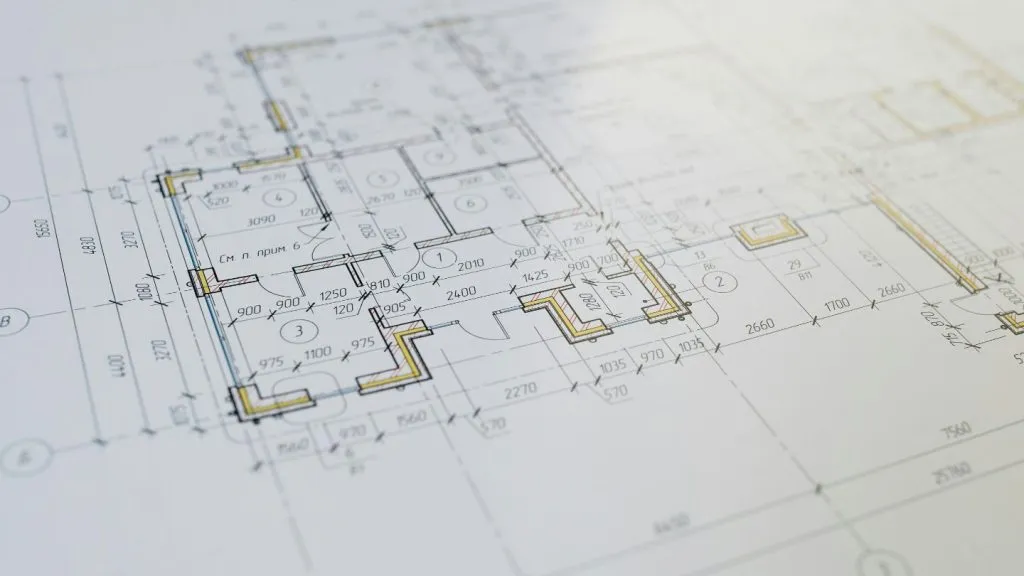
Before finalizing room locations, architects study the specific lot and the sun’s path using tools like sun path diagrams for a given latitude, for example, Nashville at 36°N. This analysis determines where light will fall at different times of day and across seasons, and it’s a critical aspect of designing a home that works with nature rather than against it.
In the Northern Hemisphere, placing the main living area along the south-facing façade maximizes winter light and passive warmth. South-facing windows receive the most sunlight during daylight hours, with the sun tracking high overhead in summer. North-facing façades, by contrast, receive diffuse, even light, making them ideal for garages, mudrooms, and storage.
East-facing windows capture gentle morning light, making them perfect for breakfast nooks, kitchens, or home offices where you want to start the day energized. West-facing windows offer evening light but require shading strategies to manage intense afternoon sun that can cause glare and overheating.
Read More: Importance of Kitchen and Living Area Layouts in New Home Construction
Climate-Specific Orientation Strategies
Climate zones, whether cold, temperate, hot-humid, or hot-dry, all influence how a floor plan should respond to the sun. What works well in one region may feel uncomfortable or inefficient in another. In Southeast Tennessee, including areas like Ooltewah and the greater Chattanooga region, homes must balance humid summers, seasonal storms, and cooler winter mornings.
For cooler months in Tennessee
Maximizing southern and southeastern exposure can help bring in low-angle morning and midday sun during fall and winter. Placing main living areas along the brighter side of the home supports a naturally warmer and more inviting interior, while smart rooflines and overhangs can still prevent excessive heat gain once spring returns.
For hot, humid Tennessee summers
Summer comfort often depends on controlling late-day west-facing heat, which can be intense during long afternoons. Floor plans that prioritize covered patios, front porches, screened outdoor living areas, and shaded window placement help reduce glare and overheating while still keeping interiors bright. East-facing windows can capture gentler morning light without pushing cooling systems harder later in the day.
For the seasonal “in-between” months (spring and fall)
The best layouts use a balanced approach—bringing in natural light through south and east-facing windows, while including thoughtful shading and ventilation planning. Features like adjustable window coverings, strategically placed trees, and outdoor overhangs help the home stay comfortable as temperatures shift throughout the year.
The key is understanding how Tennessee’s humidity, sun angles, and seasonal temperature swings affect daily comfort—and designing your home’s layout to work with those conditions from the start.
Positioning Key Rooms for Optimal Daylight
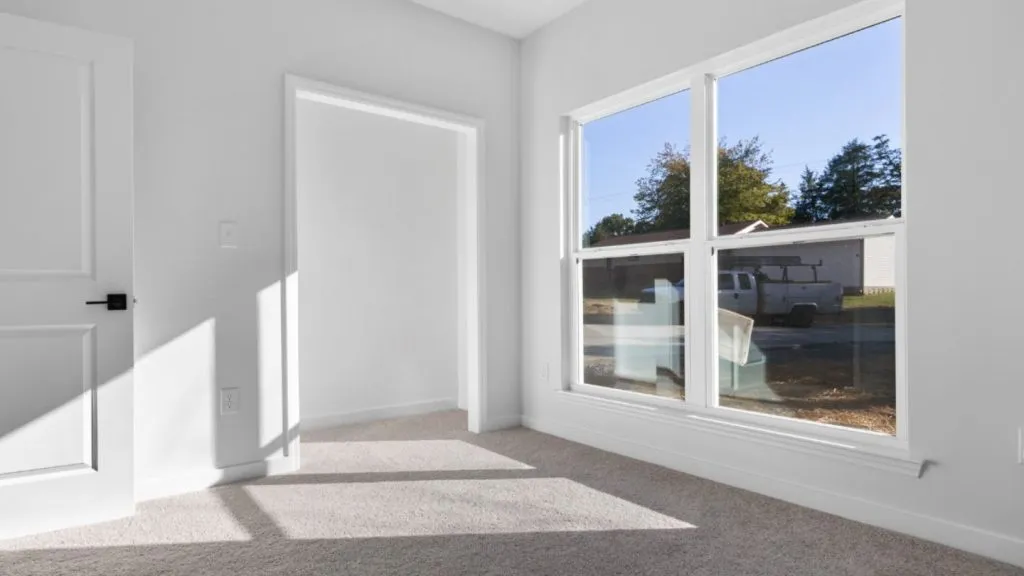
Once the home’s orientation is set, the next step is deciding which rooms “deserve” the best light, and how their placement shapes your daily routines.
In many 2020–2025 new builds, the open-plan kitchen, dining, and living area is intentionally located on the brightest side of the house. These are the spaces where families spend their waking hours, where guests gather, and where natural light exposure matters most. Placing these rooms along the south or east façades reduces the need for artificial lighting during the day and creates a living environment that feels open and welcoming.
Primary bedrooms benefit from gentle morning or filtered light; southeast exposure is often ideal. This supports healthy sleep patterns by allowing soft dawn light to ease you awake, while avoiding the harsh western sun that can overheat a bedroom in summer. Of course, if someone in your household works night shifts, the calculation changes, another reason why custom home design matters.
Windowless or low-priority rooms like pantries, laundry rooms, mechanical rooms, and closets are often placed along darker sides of the home or in interior cores. This strategic placement frees up exterior wall space for daylight-hungry spaces, a smart trade-off that makes the whole plan work harder.
Room Adjacencies and Daylight Sharing
Rooms can share natural light when placed beside or behind each other in the floor plan, a strategy that multiplies the impact of every window.
Interior transom windows, glass interior doors, and open archways between living, dining, and hallways allow light from one façade to reach deeper into the home. A south-facing great room can “lend” its light to an adjacent study or hallway, eliminating dark pockets without adding more exterior glass.
Arrange frequently used rooms, kitchen, family room, and home office along exterior walls, with less-used rooms (guest rooms, storage) positioned behind them where they can still borrow light. This layering approach creates a gradient from bright perimeter spaces to softly lit interior zones.
In townhomes and row houses, where exterior walls are limited, aligning stairwells and double-height spaces adjacent to exterior walls creates vertical “light shafts” that feed multiple floors. A single tall window at a landing can illuminate both the entry below and the corridor above.
Open Floor Plans and Interior Layouts that Spread Light
Open and semi-open floor plans, popular since the 2010s, are particularly effective at spreading natural light across larger areas. This isn’t just a lifestyle trend; it’s a daylighting strategy that works.
Removing or shortening interior walls between the kitchen, dining, and living rooms allows light from a bank of south or east-facing windows to penetrate 15–25 feet deeper into the home. Minimizing walls creates uninterrupted paths for sunlight to travel, making interior rooms feel brighter and more spacious. The ability of shared spaces to transmit daylight deeper into the home reflects why open floor plans in modern home design remain closely tied to both lifestyle and daylighting strategies.
When full openness isn’t desired, partial-height walls, wide cased openings, or glass partitions preserve some privacy while maintaining daylight paths. A kitchen peninsula instead of a full wall, or a glass-paneled door to a home office, keeps light flowing while defining separate zones.
Read More: Open vs. Traditional Floor Plans: Which One Works Better?
Vertical Volume: Double-Height Spaces and Light Wells
Adding volume, double-height living rooms, two-story foyers, and stairwells with upper windows allows light from higher glazing to shine on both levels. It’s one of the most effective ways to enhance natural light in a multi-story home.
Homes built after 2020 often combine clerestory windows with open stair railings to bring daylight into interior upper hallways that would otherwise require constant artificial lighting. These architectural features turn functional spaces into design highlights.
Windows, Skylights, and Glazing Choices that Shape the Plan
Window and skylight decisions aren’t just finish selections; they influence where structural walls, beams, and furniture zones are placed in the floor plan. Missteps in window sizing or placement are among the most common floor plan mistakes to avoid, often limiting daylight even in homes with generous glazing.
Larger window areas along priority façades may require rearranged kitchen layouts, fireplace locations, and built-ins to avoid blocking daylight. You might shift a pantry or reposition a media wall to maximize the impact of a large window installation. These are floor plan decisions, not just window shopping.
Several modern plans use full-height glazing or multi-panel sliders (12–16 ft wide) onto patios, turning entire living-room walls into daylight sources. Glass doors of this scale create seamless connections between indoor and outdoor spaces, and they fundamentally reshape how the room is arranged.
Skylights, Solar Tubes, and Clerestory Windows
Overhead daylight tools are especially valuable for interior zones where exterior windows aren’t possible, such as central bathrooms, hallways, walk-in closets, and interior kitchens.
Modern skylights with low-E glass, integrated shades, and rain sensors can be placed above staircases, kitchen islands, or second-floor corridors. These spaces transform from functional necessities into naturally lit features that feel brighter and more welcoming.
Solar tubes offer a compact option for smaller interior rooms. These tubular devices capture sunlight at the roof and reflect it down through a reflective tube, brightening spaces without changing the external massing much. They’re ideal for interior bathrooms or closets where traditional windows aren’t feasible.
Clerestory windows, positioned high on walls, often above adjacent rooflines, bring in consistent light while preserving privacy and wall space for cabinets or furniture. They’re particularly effective in single-story sections of a home where roof height allows for high glazing.
Interior Strategies: Using Materials and Colors to Support Daylight
Once the floor plan and window layout are set, interior finishes determine how effectively light spreads through the home. The right choices amplify natural light; the wrong ones absorb it.
| Surface | Recommendation | Impact |
| Walls | Light-colored paints (warm whites, soft neutrals) | Reflects daylight deeper into rooms |
| Ceilings | Matte or eggshell white finishes | Bounces light without glare |
| Floors | Paler wood, tile, or polished concrete | Extends light reach across the floor plane |
| Trim | Light or medium tones | Maintains brightness at transitions |
Light colored walls reflect more light into the room, making spaces feel brighter even when natural light in your home comes from a single direction. Matte finishes on ceilings prevent harsh reflections while still bouncing light.
Strategic use of mirrors, opposite or adjacent to main windows, can visually double the perceived light in tight areas like entryways. Reflective surfaces work as light multipliers.
Glass-front cabinets or open shelving between the kitchen and living areas allow light to travel through storage zones instead of stopping at solid barriers. These details matter more than most people realize.
Furniture Layout and Daylight Paths
Bulky furniture can unintentionally block light if placed directly in front of low sills or between daylight sources and interior spaces. A tall bookcase in front of a window might solve a storage problem while creating a darkness problem.
Consider these principles:
- Low-profile seating near windows preserves sightlines and lets light travel over furniture
- Keep main daylight “corridors” clear of tall shelving or cabinets
- Position dining tables near large windows to benefit from natural light during meals
- Angle home office desks to avoid direct glare on screens while still benefiting from ambient daylight
Built-in window seats and reading nooks are often integrated into new floor plans specifically to take advantage of bright corners. These become favorite spots in the home, places where people naturally gravitate.
Balancing Light, Privacy, and Energy Performance
Maximizing daylight must be balanced against privacy, overheating, and energy efficiency goals, especially in dense neighborhoods or hot climates. It’s not about choosing between light and comfort; it’s about designing for both.
Floor plans for urban sites often place bedrooms and bathrooms away from street-facing glass, or use high sills and narrow windows to maintain privacy without sacrificing all daylight. Strategic window placement can solve problems that curtains alone cannot.
Deep roof overhangs, covered porches, and recessed windows are designed into the plan to control mid-afternoon sun while still admitting soft ambient light. These architectural details serve multiple purposes: shade, rain protection, and daylight modulation.
Zoning and Shading by Use
Zoning the floor plan by time-of-day use helps decide where intense or gentle light is appropriate.
| Time of Day | Ideal Light | Recommended Rooms |
| Morning | Bright, energizing | Kitchen, breakfast nook, home office |
| Midday | Consistent, strong | Great room, dining, and main living areas |
| Afternoon | Controlled, filtered | Media room, west-facing outdoor spaces |
| Evening | Soft, ambient | Bedrooms, reading areas |
Window treatments, top-down/bottom-up shades, exterior shutters, and pergolas are planned alongside room layouts to maintain privacy and control glare. These aren’t afterthoughts; they’re part of the design.
Read More: Ultimate Guide to Designing Your Dream Custom Home
Designing With Light in Mind
Natural light is a foundational element of smart floor plan design, influencing comfort, energy performance, and how spaces feel throughout the day. When daylight is considered early, through orientation, window placement, and room layout, it enhances livability while reducing reliance on artificial lighting and supporting long-term value in new home construction.
Concord Homes focuses on intentional layouts that maximize light without sacrificing privacy or efficiency as a trusted home builder in Ooltewah, TN. Whether planning an individual custom home or reviewing available properties, daylight strategy should guide early design decisions. We invite you to work with us to create a bright, balanced home designed around how you live.
Frequently Asked Questions
How early should I think about natural light when planning a new build?
Natural light should be addressed from the very beginning of the design process. Site orientation, window placement, and wall locations are easiest to adjust in early planning stages. Once framing starts, changes become costly. Early daylight planning improves comfort, health, and long-term livability.
Can I still get good natural light on a narrow or shaded lot?
Yes, thoughtful design can overcome a lot of limitations. Light wells, clerestory windows, skylights, and interior courtyards introduce daylight where exterior walls are limited. These elements must be planned early to work effectively, allowing bright interiors even on narrow, shaded, or tree-covered properties.
Does maximizing natural light always increase energy efficiency?
Not necessarily. While daylight reduces artificial lighting needs, excessive or poorly specified glazing can increase heat gain or loss. Proper window orientation, high-performance glass, shading devices, and energy modeling help balance natural light with efficient heating and cooling throughout the year.
What if I prefer more privacy but still want bright rooms?
Privacy and daylight can coexist through smart design choices. High-set windows, frosted or textured glass, side courtyards, and layered window treatments allow sunlight in without direct views. Skilled planning ensures interiors feel open and bright while maintaining comfort and personal privacy.