

Choosing the right piece of land is just as important as designing the home itself. Before construction begins, careful evaluation helps avoid costly surprises, delays, and design limitations later. Factors like soil conditions, access, zoning, and utilities all influence what can be built and how smoothly the project moves forward. A thorough review early on sets the foundation for a successful build. In this blog, we’ll walk through how builders assess land suitability, identify potential challenges early, and determine whether a site can support your home’s design, budget, and long-term functionality before construction ever begins.
Key Takeaways
- Professional land evaluation begins during the due diligence period, typically 15–30 days after a purchase agreement is signed, giving you time to uncover problems before you’re fully committed.
- Utilities, soil conditions, zoning and setbacks, and site access are the four biggest factors that drive cost and determine whether a piece of land will work for your dream home.
- Reputable home construction companies combine desktop research (maps, GIS data, public records) with on-site visits, professional surveys, and lab testing to identify hidden risks.
- A thorough pre-build land evaluation can prevent unexpected costs that sometimes run into tens of thousands of dollars, or avoid a complete redesign altogether.
- Working with an experienced builder from the land search stage onward protects your budget, timeline, and long-term satisfaction with the finished home.
Initial Desktop Review: Maps, Records, and Remote Checks
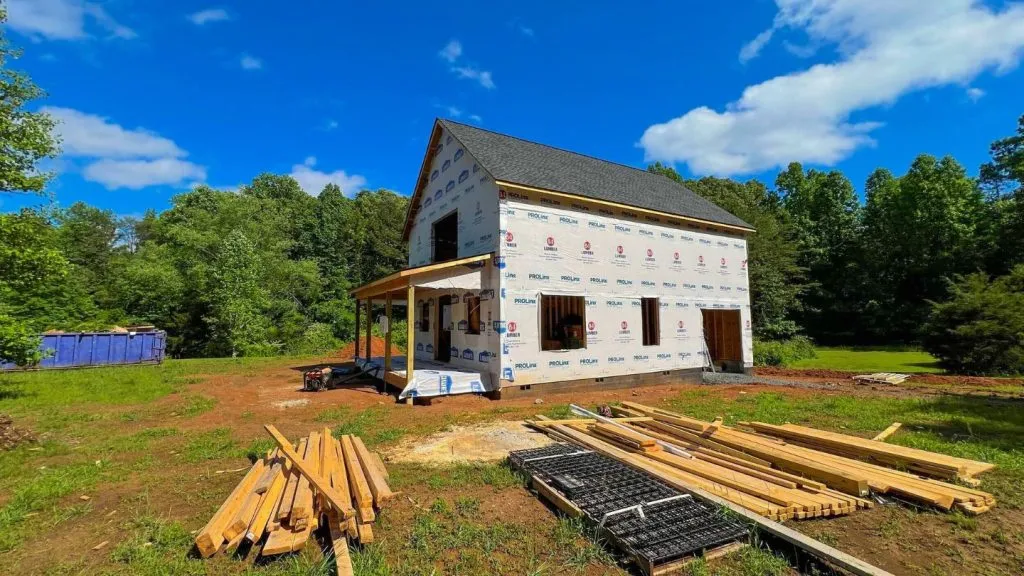
Before we ever set foot on a property, we start with satellite imagery, GIS maps, and public records. This research phase might not sound glamorous, but it’s essential; it helps us spot potential deal-breakers early and saves everyone time and money. Catching site constraints early helps prevent issues similar to common home remodeling mistakes to avoid that often stem from inadequate upfront evaluation.
We use county GIS systems, Google Earth, and state environmental databases to assess topography, floodplains, wetlands, and access constraints. These tools let us measure approximate slopes, identify drainage patterns, and see how the land relates to neighboring properties and roads.
Next, we review county assessor data, past building permits, and subdivision plats. This tells us whether the lot has prior improvements, existing structures, utilities stubbed to the property line, or restrictions already on file. For lots within established subdivisions, we often find geotechnical data from the original development that gives us a head start on understanding soil conditions.
At this stage, builders typically pull:
- FEMA Flood Insurance Rate Maps (FIRMs) to check flood zone status
- USDA NRCS Web Soil Survey data for preliminary soil analysis
- Local zoning maps to confirm permitted land use
- Aerial imagery from multiple years to track changes and identify potential issues
Example: Using aerial imagery, we might spot a steep rear slope or a mapped drainage swale that will affect driveway routing and foundation design. Catching this early means we can plan around it, or advise a client that the lot isn’t right for their single-story ranch floor plan before they’ve invested further.
Read More: Understanding the Role of a Home Construction Company in Custom Home Design
Confirming Zoning, Setbacks, and Legal Buildability
Legal feasibility gets checked early in the process for one simple reason: you don’t want to own land you can’t build your dream home on. Verifying legal buildability upfront supports many of the long-term benefits of new home construction by reducing redesigns, delays, and unexpected compliance costs. We verify the zoning classification, whether that’s R-1 residential, agricultural, or rural residential, directly with the local planning or zoning office.
Zoning dictates more than just whether you can build a house. It determines:
| Zoning Factor | What It Controls |
| Building setbacks | Minimum distance from property lines (front, side, rear) |
| Height limits | The maximum building height is often 35 feet for residential. |
| Lot coverage | The percentage of the lot that structures can occupy |
| Special overlays | Historic districts, view corridors, coastal zones. |
| Permitted uses | Single-family, agricultural use, accessory structures |
Beyond zoning, we ask for and review recorded documents: subdivision covenants, easements, rights-of-way, and any conservation or utility corridors running through the lot. Deed restrictions from HOAs or architectural review committees can specify roof materials, minimum square footage, exterior colors, and even garage door styles, all of which influence design and cost.
Read More: How to Avoid Construction Project Delays?
Surveying and Defining the Buildable Area
We insist on a current boundary and topographic survey before finalizing house placement. Older surveys or handshake agreements about property lines have a way of creating expensive problems once construction begins.
Different survey types serve different purposes:
- Boundary (pin) survey: Physically locates and marks property corners with stakes in the ground. This is the foundation, literally and figuratively, for knowing exactly what you own.
- Topographic survey: Shows contour lines (typically at 2-foot intervals) revealing slopes, ridges, swales, and any existing improvements. This is vital for driveway layout, foundation step-downs, and drainage planning.
- ALTA/NSPS survey: A more comprehensive survey that integrates boundary data with title information, showing easements, encroachments, and rights-of-way. Lenders often require these for complex or high-value projects.
Surveyors mark property corners, easements, and building setback lines so the builder can see, on paper and on the ground, where a home can legally sit. If the last survey is several years old, we encourage clients to invest in an updated one. Boundary disputes with neighbors are far easier (and cheaper) to resolve before a foundation is poured.
During our site walks, a project manager will walk the property with survey stakes and a house footprint sketch in hand. We’re looking at views, privacy, orientation to the sun, and how the home will feel once it’s built. This is where the planning process starts coming to life.
Soil Testing, Geotechnical Review, and Drainage
Soil and subsurface conditions are among the biggest unknowns affecting foundation cost and long-term home performance. What’s under the ground matters just as much as what’s on top of it.
A typical residential geotechnical study involves drilling test borings or excavating test pits at several locations across the planned building footprint. The soil samples go to a lab for analysis of bearing capacity, plasticity index, and moisture content. A geotechnical engineer then provides recommendations for foundation design.
Common findings that affect construction include:
| Soil Condition | Impact on Construction |
| Expansive clay soils | Requires a special foundation design to accommodate swelling and shrinking |
| Shallow bedrock | May need rock excavation (expensive), but provides excellent bearing. |
| High groundwater table | Requires drainage systems, waterproofing, or a raised slab |
| Undocumented fill | Often requires over-excavation and replacement with engineered fill. |
| Loose or organic soils | May need deep foundations (piers) or soil stabilization |
The geotechnical report guides decisions about footing sizes, slab thickness, whether piers are needed, and what drainage systems (French drains, perimeter footing drains) should be installed.
Surface drainage evaluation is equally important. We look at natural swales, up-slope properties, and how stormwater currently flows across the site. The goal is to keep water away from the house and prevent erosion during and after construction.
Flood Risk, Water Management, and Environmental Constraints
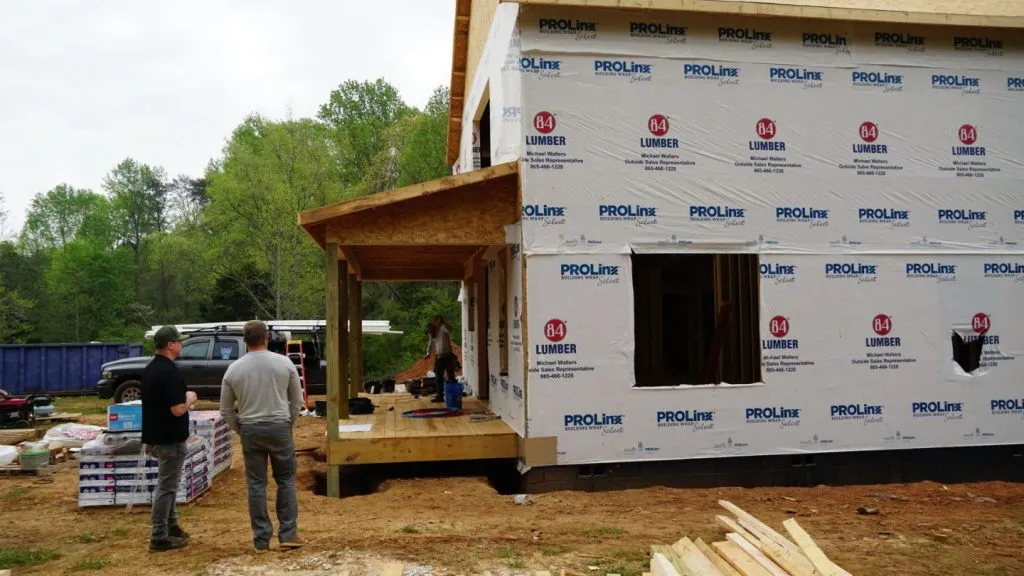
Water issues, flooding, wetlands, and protected areas can make or break a building site long before construction begins. This is one area where surprises are particularly costly, both financially and emotionally.
We use FEMA flood maps, local floodplain ordinances, and survey elevation data to determine if the building pad sits in a Special Flood Hazard Area. Being in a mapped floodplain doesn’t necessarily mean you can’t build, but it does mean:
- The finished floor may need to be elevated above the base flood elevation
- Flood vents may be required in enclosed areas below the flood level
- Mandatory flood insurance becomes part of your monthly housing cost
- Fill placement in the floodplain may be restricted or prohibited
For wetlands and environmentally sensitive areas, we consult federal and state mapping tools. If mapping suggests potential wetlands on or near the site, we may recommend a third-party wetland delineation by a qualified biologist. Avoiding wetlands is almost always preferable to the permitting complexity and cost of mitigation.
Other environmental conditions that influence site development include:
- Protected trees or heritage tree ordinances requiring permits and replacement plantings
- Habitat zones for threatened or endangered species
- Steep slope ordinances limiting grading and requiring additional engineering
- Coastal or riparian buffers that establish no-build zones near water
Utilities: Power, Water, Wastewater, and Communications
Utility access is a major driver of overall site cost and timeline, especially on semi-rural or raw land. A beautiful 10-acre parcel can quickly become budget-prohibitive if utilities aren’t nearby. Understanding infrastructure requirements early reflects key essential tips for first-time homebuilders, especially when evaluating raw or semi-rural land.
Electricity: We locate the nearest transformer or power pole and review utility company rules for new service. Distance matters here. Running power 500 feet from an existing pole is very different from running it half a mile. Extension fees can range from reasonable to eye-watering, depending on terrain, trenching requirements, and whether new poles are needed.
Water supply: Municipal water with a tap at the property line is the simplest scenario. Pay the connection fees, and you’re set. For properties without city water, drilling a well becomes necessary. We research local well depths, flow rates, and any known water quality issues (iron, hardness, bacteria) before estimating costs. Well drilling success isn’t guaranteed, and depths can vary significantly even between neighboring properties.
Wastewater: City sewer connection involves tap fees and confirming that gravity flow to the main is possible. If it’s not, a lift station may be required, adding cost and maintenance considerations. For on-site septic systems, a perc test determines whether soils will adequately absorb effluent. Failed perc tests or marginal soils may require engineered septic designs (mound systems, aerobic treatment units) that cost significantly more than conventional systems.
Access, Driveways, and Site Logistics

Safe, reliable access for construction vehicles and future homeowners is essential, and often underestimated during land evaluation. We’ve seen beautiful sites that became budget nightmares because of access challenges.
When evaluating entry points, we consider:
- Sight lines for traffic safety when pulling onto public roads
- Any required driveway permits or culvert approvals from the county road authority
- Slope and grade of the driveway (most codes limit residential driveways to 12–15% grade)
- Turning radius for delivery trucks, concrete mixers, and moving vans
- Emergency vehicle access requirements (fire departments often mandate minimum widths and turnarounds)
For site preparation and construction logistics, we plan:
- Stabilized construction entrances (gravel pads) to prevent mud tracking onto public roads
- Staging areas for materials, dumpsters, and trade parking
- Routes for concrete trucks, lumber deliveries, and equipment trailers
Steep or winding driveways may require retaining walls, guardrails, additional drainage, or upgraded paving materials to remain usable year-round. In areas with snow and ice, driveway grade and exposure become even more important factors.
Site Orientation, Views, and Home Placement Strategy
Beyond technical feasibility, we collaborate with clients to position the home for comfort, energy efficiency, and the views that made them fall in love with the property in the first place. This is where the home-building process starts to feel exciting rather than just technical.
Solar orientation matters more than many people realize. Placing main living spaces and window walls to capture morning light while managing afternoon heat can significantly affect comfort and utility bills. South-facing orientations (in northern hemisphere climates) generally offer the best balance for passive solar gain and future solar panel installation.
We also consider:
- Prevailing winds and local climate data for natural ventilation strategies
- Shading from existing trees or neighboring structures that could reduce HVAC loads
- Privacy from neighboring homes, roads, or future development
- Views you want to emphasize versus views you’d prefer to minimize
Planning for outdoor living is part of this conversation, too. Decks, patios, pools, and future outbuildings all need space. We ensure enough flat, accessible yard area remains after grading to accommodate your outdoor vision.
Read More: Your Complete Guide to the Home Construction Journey
Building on the Right Foundation

Evaluating land before construction begins is a critical step that shapes everything from design flexibility to long-term costs. Careful review of soil, access, zoning, utilities, and site conditions helps prevent delays and unexpected expenses. When land is properly assessed early, the entire building process becomes more predictable and successful.
Concord Homes is a trusted home construction company in Athens, TN, that brings experience, due diligence, and clear guidance to every project. Whether planning an individual custom home or reviewing available properties, early land evaluation protects your investment. We invite you to work with us to move forward confidently, knowing your home starts on the right site and the right plan.
Frequently Asked Questions
How long does a professional land evaluation usually take before home construction begins?
A basic evaluation for a straightforward subdivision lot can often be completed in 1–2 weeks. Complex rural or sloped sites may require 3–6 weeks to schedule surveys, conduct soil testing, coordinate with utility providers, and receive agency feedback. The permitting process itself may extend beyond evaluation, especially for properties requiring variances or environmental reviews.
Can I evaluate land myself, or do I really need a home construction company and specialists involved?
You can absolutely do initial checks yourself, reviewing zoning maps, FEMA flood maps, and driving the property to assess access and neighbors. However, licensed surveyors, geotechnical engineers, and experienced builders are essential for accurately predicting costs, identifying subsurface issues, and satisfying lenders and building officials. The cost of professional evaluation is minimal compared to the risk of missing something significant.
At what point in the buying process should I involve a builder to look at the land?
We recommend engaging a builder before finalizing the purchase, ideally during the offer and due diligence period. This gives you time to discover serious issues while you still have leverage to renegotiate price, request seller concessions, or walk away without losing your investment.
Does a land evaluation guarantee there will be no surprises during construction?
No evaluation can uncover every hidden condition underground. However, a thorough process that includes borings, surveys, and records research significantly reduces both the likelihood and financial impact of unexpected problems. Contingency allowances in the budget provide additional protection for the unknowns that remain.