

Renovating a home can transform the way you live, adding comfort, function, and value to your space. But before the work begins, it’s important to understand the rules and requirements that shape the renovation process. Permits play a major role in ensuring safety, legality, and long-term protection for your investment. Knowing what’s required can prevent costly delays or complications later. In this blog, we’ll break down the essentials you need to understand before starting your renovation.
Key Takeaways
- Building permits are required for most structural, electrical, plumbing, and HVAC renovations to ensure safety and code compliance
- Permit costs typically range from $50 for simple projects to several hundred dollars for major renovations, with fees often calculated as a percentage of project value
- The permit process involves application submission, plan review, fee payment, permit posting, and scheduled inspections at key project milestones
- Starting work without required permits can result in fines, project shutdowns, difficulty selling your home, and insurance claim denials
- Minor cosmetic work, like painting, flooring replacement, and cabinet installation, typically doesn’t require permits
Understanding Building Permits and Why They Matter
A building permit is essentially your local government’s official approval to proceed with construction projects on your property. Think of it as a safety net that ensures your remodeling project meets current building codes and zoning requirements. When you obtain permits, you’re not just checking a box; you’re getting professional oversight that helps guarantee your renovation is done safely and correctly.
The local building department issues these permits after reviewing your plans to ensure compliance with building codes, which exist to protect you and your neighbors. These codes cover everything from structural integrity to electrical safety, plumbing standards, and fire protection. Building codes vary between jurisdictions, so what’s acceptable in one city might not meet standards in another.
Here’s why permits matter for your home and family: they ensure that structural changes won’t compromise your house’s stability, electrical work won’t create fire hazards, and plumbing modifications won’t cause health issues. When work is completed under permit, you have documentation proving it was done to professional standards; something that becomes invaluable when you’re ready to sell your property or need to file an insurance claim.
Home Renovation Projects That Require Permits
Understanding which projects require permits can save you significant headaches down the road. Most municipalities require permits for any work that affects your home’s structure, safety systems, or external appearance. Let’s break this down by category:
Structural Changes
Any work that affects your house’s structural integrity needs a building permit. This includes removing or adding walls (especially load-bearing walls), room addition projects, foundation work, and roof modifications. Even seemingly simple changes like enlarging a window opening or installing a new door in an exterior wall typically require permits because they affect the structural envelope of your home.
Electrical Work
Electrical projects almost always need permits and inspections. This includes panel upgrades, installing new circuits, adding outlets, and most lighting installations. Even seemingly minor electrical work, like adding a ceiling fan or upgrading outlet boxes, often requires a permit. The reason is simple: faulty electrical work is a leading cause of house fires.
Plumbing Projects
Most plumbing work beyond basic repairs requires a plumbing permit. This includes rerouting pipes, bathroom additions, water heater replacement, and any sewer line work. Moving plumbing fixtures to new locations, installing new bathroom or kitchen plumbing, and connecting to main water or sewer lines all typically need permits and inspections.
HVAC System Work
Installing new furnaces, air conditioning systems, or making ductwork modifications usually requires multiple permits. HVAC work affects both mechanical systems and often electrical systems, so you might need trade permits for both aspects of the job.
Exterior Work
Deck construction, fence installation over specific heights (typically 6 feet), driveway expansions, and shed installation often require permits. Many jurisdictions also require permits for retaining walls over a certain height and swimming pool installations.
The Permit Application Process Step-by-Step
Navigating the permitting process doesn’t have to be intimidating when you know what to expect. Here’s how it typically works:
Step 1: Research Requirements
Start by contacting your local building department or visiting their website to determine exactly what permits your specific project needs, especially when considering guidance similar to a complete guide to the home construction journey. Most building departments have helpful resources that outline common projects and their permit requirements. Don’t skip this step; making assumptions can be costly.
Step 2: Gather Documentation
You’ll need detailed project plans, property surveys (for exterior work), and contractor licenses if you’re hiring professionals. For complex projects, you might need architectural drawings or engineering calculations. The building department can tell you exactly what documentation your project requires.
Step 3: Complete Applications

Most municipalities now offer online permit application systems, though some still require in-person submission. You’ll need to provide detailed project descriptions, estimated costs, contractor information, and sometimes proof of insurance.
Step 4: Submit Plans
Your application must include architectural drawings or detailed sketches showing dimensions, materials, and construction methods. For electrical or plumbing work, you’ll need separate diagrams showing the scope of that work. Professional plans typically move through review faster than hand-drawn sketches.
Step 5: Pay Fees and Wait for Review
Once you submit everything, you’ll pay permit fees and wait for plan review. Standard residential projects typically take 1-3 weeks for approval, though complex projects or busy seasons can extend this timeline.
Step 6: Receive and Post Permits
When approved, you’ll receive your building permit, which must be posted visibly at your job site. Most jurisdictions require the permit to be visible from the street throughout construction.
Inspection Requirements and Schedule
The inspection process ensures that work completed under permit meets building codes and safety standards. Understanding when inspections occur helps you plan your project timeline and coordinate with contractors.
Required Inspections
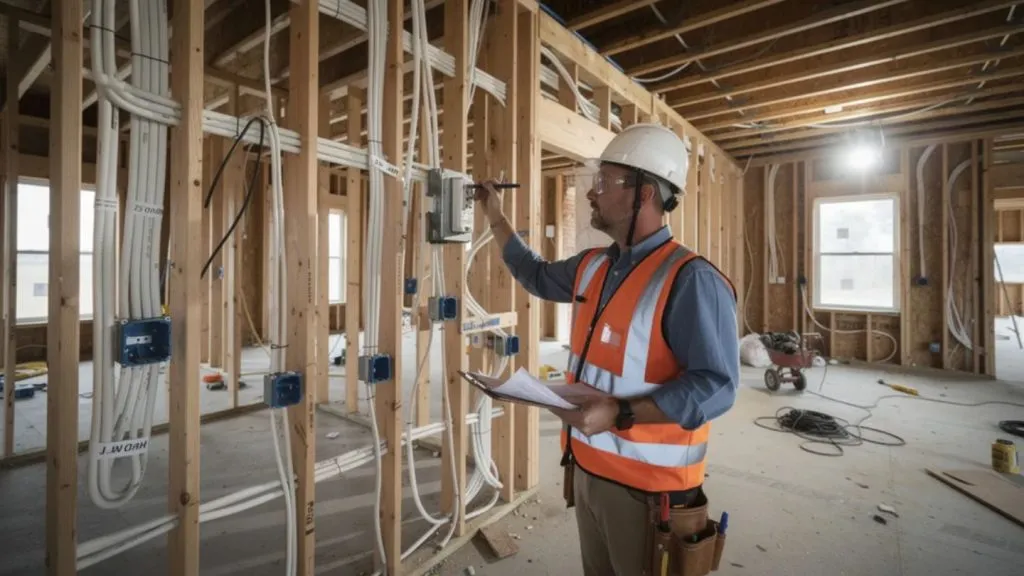
Most projects involve several inspection points. Foundation and footing inspections occur before concrete pouring for any structural work. Rough-in inspections check electrical, plumbing, and HVAC work before walls are closed up; this is crucial because once walls are finished, inspectors can’t see the work behind them.
Insulation and drywall inspections verify proper installation at specific construction phases. Final inspections occur when all work is complete to ensure everything meets code and safety requirements.
Scheduling Process
You’ll need to schedule inspections 24–48 hours in advance through your building department, which also helps prevent issues commonly associated with how to avoid construction project delays. Many areas now offer online scheduling systems. Plan your construction timeline around inspection requirements; you can’t proceed to the next phase until the current work passes inspection.
Preparing for Inspector Visits
Keep your approved plans on-site and ensure work areas are clean and accessible. Have all work ready for the specific inspection type; don’t call for a final inspection if you still have unfinished details.
Renovations That Don’t Require Permits
Not every home improvement requires jumping through permit hoops. Understanding what work you can do without permits helps you plan projects and allocate your permit budget where it’s actually needed.
Cosmetic Improvements
Most cosmetic work doesn’t require permits. This includes painting, wallpaper installation, floor refinishing, and similar surface treatments. These improvements don’t affect building systems or structural elements, so they fall outside permit requirements in most cases.
Cabinet and Appliance Work
Replacing cabinets or refacing existing ones typically doesn’t need permits, as long as you’re not moving plumbing or electrical connections. Similarly, replacing appliances using existing connections and locations usually doesn’t trigger permit requirements.
Minor Repairs and Maintenance
Fixing leaky faucets, replacing light fixtures with similar ones, patching small holes, and other routine maintenance fall under normal homeowner responsibilities. These repairs maintain existing conditions rather than creating new installations.
Landscaping and Exterior Improvements
Most landscaping work, including garden installation, tree planting, and walkway construction, doesn’t require building permits. However, check local rules for retaining walls, as these often do require permits above certain heights.
The key distinction is whether work affects building systems, structure, or safety. When in doubt, contact your building department; a quick phone call can save considerable time and money.
Consequences of Skipping Required Permits
The risks of proceeding without necessary permits extend far beyond just getting in trouble with code enforcement. Understanding these consequences helps you make informed decisions about your renovation projects.
Immediate Financial Penalties
If building officials discover unpermitted work, you’ll face immediate fines ranging from $100 to $1,000 or more. Many jurisdictions impose stop-work orders that halt all construction until you obtain proper permits, which can leave your home in an unlivable state during renovations.
Home Sale Complications
Unpermitted work creates serious issues when selling your house, which becomes even more significant when evaluating whether you’ve reached the point where you recognize signs you’re ready to build a custom home. You must disclose all unpermitted renovations to potential buyers, which often leads to reduced offers or buyer requests for corrections. Title companies and lenders may refuse to process sales until permit issues are resolved.
Insurance Issues
Perhaps most seriously, unpermitted work can void your homeowner’s insurance coverage. If a fire or other damage occurs related to unpermitted electrical or plumbing work, your insurance company may deny your claim entirely. This leaves you personally liable for damages that could reach tens of thousands of dollars.
Working with Contractors and Permit Responsibility
While you might hire a licensed contractor to handle renovation work, understanding permit responsibility protects you from legal and financial problems down the road.
Legal Responsibility
As the homeowner, you remain legally responsible for ensuring work meets local codes, even when hiring licensed professionals. This responsibility doesn’t transfer to contractors; it stays with you as the property owner.
Contractor Selection and Red Flags
When hiring contractors, verify their licenses and ask specifically about their experience with local permit processes. Licensed general contractors should be comfortable with building codes and permit requirements.
Written Agreements
Get written agreements about who handles permit applications, pays fees, and schedules inspections. Many licensed professionals include permit costs in their overall bid, while others bill separately. Clear agreements prevent confusion and ensure nothing falls through the cracks.
Benefits of Experienced Contractors
Contractors experienced with local building departments understand specific code requirements and review processes, offering clarity that many homeowners consider when comparing renovating an existing home vs building a new custom home. They know which inspectors to expect, common issues that cause delays, and how to prepare for smooth inspections. This experience often saves time and reduces the stress of managing complex permitting processes.
Remember, even when contractors handle permits, you’re ultimately responsible for ensuring work is done properly. Stay involved in the process and ask questions about permit status and inspection schedules.
Building Confidence in Your Renovation Journey
Understanding renovation permits is essential for ensuring your project is safe, compliant, and built to last. From structural updates to electrical and plumbing changes, permits protect your investment and provide peace of mind when working with a custom home contractor in Cleveland, TN. With proper planning and awareness of local regulations, your renovation can move forward smoothly and without unexpected setbacks.
When you’re ready to begin your project, Concord Homes is here to help guide the process. As a trusted home construction company in Athens, TN, we assist homeowners with navigating permitting requirements while delivering quality craftsmanship and streamlined project management. Explore our individual custom homes and available properties for inspiration as you plan your next steps. Our expertise extends across the region, serving as a dedicated home builder in Bradley County, Ocoee, and Ooltewah, TN.
Let us support you through renovations that transform your home with confidence and care.
Frequently Asked Questions
How long do building permits remain valid before they expire?
Most permits expire 6-12 months after issuance if work hasn’t begun, though extensions may be available for additional fees. Active construction can extend permit validity, but check with your local building department for specific timelines.
Can I sell my house if I have unpermitted renovations?
Yes, but you must disclose unpermitted work to potential buyers. This may affect your home’s value, and buyers might require you to obtain retroactive permits or reduce the sale price to account for the risk.
What happens if I start work before my permit is approved?
Starting work before permit approval can result in stop-work orders, fines, and requirements to tear out completed work for inspection. You may also face double permit fees and additional penalties.
Do I need separate permits for electrical and plumbing work within the same renovation project?
Often, yes – electrical, plumbing, and building permits are typically separate even for the same project. Each trade may require its own permit, inspections, and fees, so plan accordingly when budgeting.
How can I find out what building codes apply to my specific property?
Contact your local building department directly, visit their website, or consult with a licensed contractor familiar with local codes. Building codes can vary significantly between municipalities and may have recent updates affecting your project.