
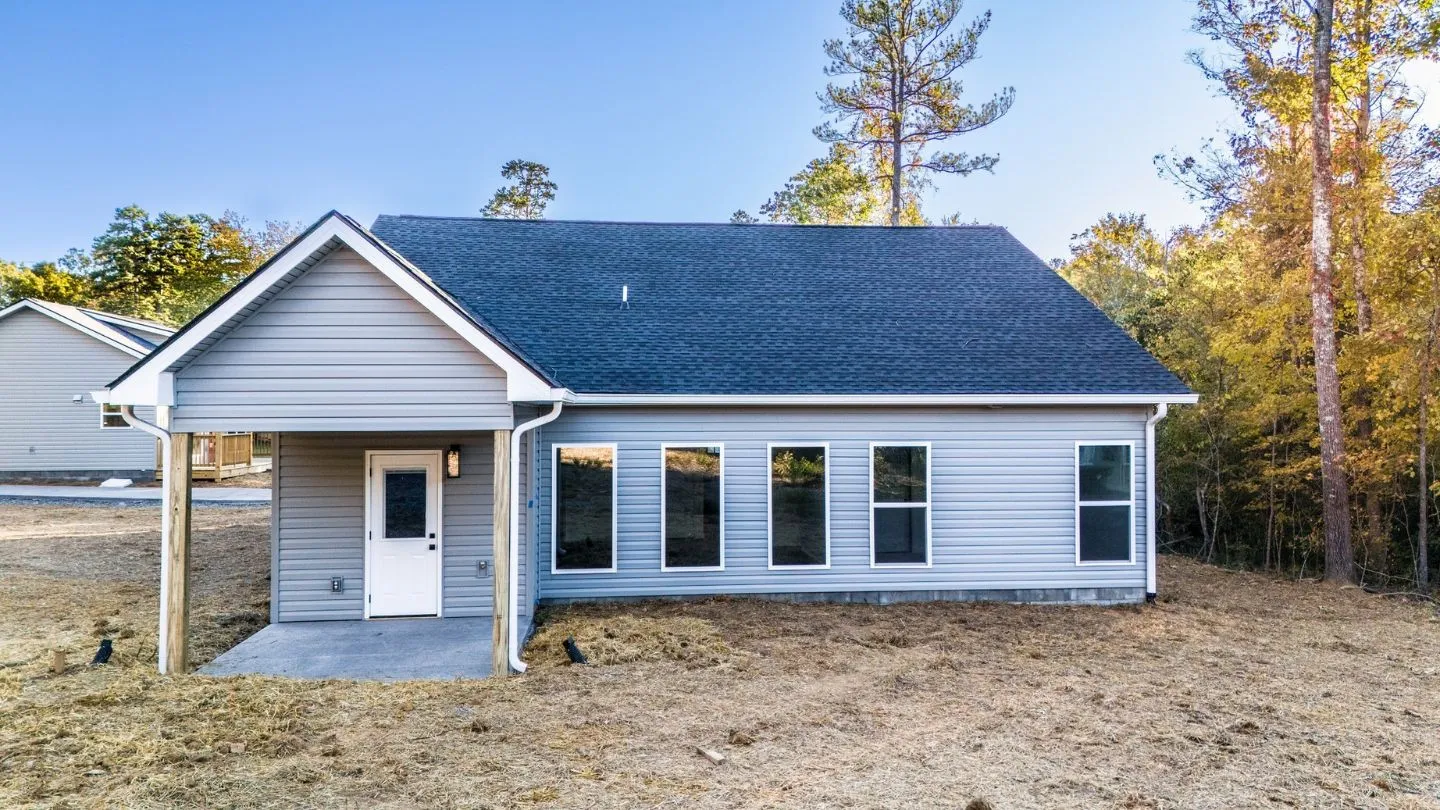
Designing a single-level home that blends comfort, practicality, and timeless appeal requires thoughtful planning and a clear understanding of how each space will function. Ranch-style layouts offer a unique opportunity to create open, flowing interiors that connect effortlessly to the outdoors. Their simplicity allows for incredible versatility, whether you prefer a classic look or a more modern interpretation. With the right design choices, this type of home can feel both spacious and welcoming. In this blog, we’ll explore the key considerations that help you craft an efficient and beautiful ranch-style home.
Key Takeaways
- Ranch homes require larger, preferably flat lots with horizontal orientations to maximize the single-story footprint and maintain clean sightlines
- Open floor plans connecting kitchen, living, and dining areas are essential, with the primary suite positioned for privacy at the rear or separate wing
- Indoor outdoor flow through sliding glass doors, large windows, and covered patios is fundamental to authentic ranch style design
- Modern ranch-style homes benefit from energy-efficient materials, smart home technology, and accessibility features for long-term livability
- Design flexibility allows for future modifications since single-story construction simplifies wall removal and room reconfiguration
Essential Design Elements for Ranch Style Homes
The foundation of any authentic ranch-style house lies in its distinctive architectural elements. These homes emphasize horizontal lines over vertical drama, creating that characteristic low-slung profile that defines the style. Your ranch house plans should feature a single-story layout with a long, low horizontal profile that emphasizes width over height. This approach not only creates visual appeal but also establishes the practical benefits that make ranch homes so livable.
Low-pitched or flat rooflines with wide eaves extending 2-3 feet serve both aesthetic and functional purposes. These extended eaves provide essential weather protection while reinforcing the horizontal emphasis that makes ranch-style architecture so distinctive. Most ranch-style homes feature roof pitches between 2:12 and 4:12, creating that signature low profile while still allowing for proper drainage and snow load management in various climates.
Large picture windows, sliding glass doors, and clerestory windows are non-negotiable elements for maximizing natural light throughout your living space. These expansive glazed openings serve as the connection point between indoor and outdoor spaces, a hallmark of authentic ranch design. The strategic placement of these windows creates open sight lines between public spaces while maintaining privacy in bedroom zones.
The attached garage represents both a practical necessity and a design opportunity in modern ranch-style homes, especially when considering how home contractors can help create functional and stylish spaces that integrate seamlessly with the overall layout. Rather than treating it as an afterthought, integrate the garage into the main structure as part of the overall horizontal composition. This integration supports the car-centric lifestyle that originally drove ranch home popularity while maintaining clean architectural lines.
Site Selection and Lot Considerations
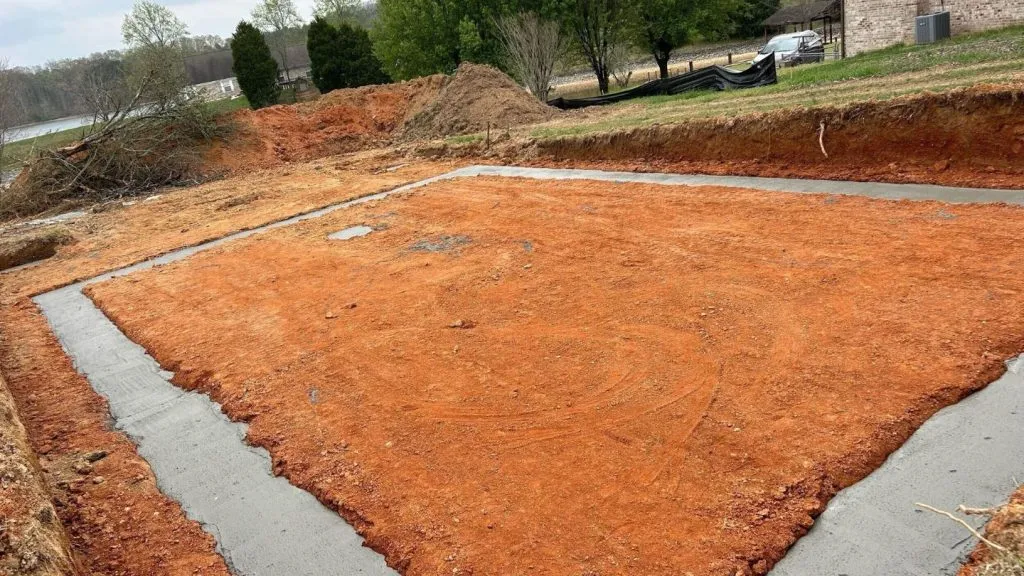
Selecting the right lot is perhaps the most critical decision when planning your ranch-style home. These homes require thoughtful site planning to achieve their full potential. Ranch homes typically need minimum lot sizes of 0.5-1 acre to accommodate their sprawling single-story footprint while maintaining proper setbacks and outdoor living space. Smaller lots under 0.25 acres often constrain the design and limit the outdoor living spaces that make ranch-style homes special.
Level or gently sloping terrain under 5% grade provides the most cost-effective foundation construction options. While ranch homes can adapt to sloped lots, significant grading or complex foundation systems can undermine the style’s inherent simplicity and economy. The broad footprint of ranch house plans works best when the foundation can follow natural contours without extensive cutting and filling.
East-west lot orientation maximizes southern exposure for passive solar heating, a consideration that becomes increasingly important as energy costs rise and often aligns with the expertise offered through the role of a home construction company in custom home design. This orientation allows you to position major living areas along the south-facing facade, where large windows can capture winter sun while deep eaves provide summer shading. The long sides of the rectangle face north and south, optimizing energy performance throughout the year.
Consider setback regulations carefully during lot selection, as they directly impact your ability to create the front yard landscaping and rear patio placement that define ranch living. Many successful ranch designs position the home to create both public and private outdoor zones, with entertainment spaces naturally flowing from main living areas.
Floor Plan Design Strategies
Open Concept Living Areas
The heart of any ranch floor plan lies in its open concept layout that connects the kitchen, dining room, and living space. Modern ranch-style homes typically dedicate 800-1200 square feet to this great room concept, creating a sense of spaciousness that belies the home’s actual square footage. This open layout supports contemporary living while honoring the informal, family-oriented lifestyle that originally made ranch homes popular.
Private Zone Planning
Thoughtful zoning separates public entertainment areas from private family spaces without sacrificing the open feel that defines ranch design. Position the primary bedroom suite at the rear or in a separate wing for noise isolation from main living areas and visiting guests. This placement also provides direct access to private outdoor spaces, creating a personal retreat within the larger home.
Storage and Organization
Ranch homes excel at providing ample storage throughout the single-story layout. Plan walk-in closets in all bedrooms with a minimum 6×8-foot dimensions to accommodate modern clothing storage needs. The horizontal footprint allows for generous closet sizing without the space constraints common in multi-story homes.
A well-designed mudroom with built-in cubbies and bench seating near the garage entry helps manage the daily flow of family life. This space serves multiple purposes as a transition zone, storage area, and organizational hub for busy families. Include hooks, shelving, and charging stations to handle everything from sports equipment to electronic devices.
Outdoor Living Integration
True ranch-style living extends far beyond the walls of your home. The integration of indoor and outdoor spaces creates the lifestyle benefits that make these homes so appealing to families seeking casual, connected living. Plan covered patios extending 12-16 feet from the main structure with a 9-foot minimum ceiling height to create true outdoor rooms that function as extensions of your interior living area.
Sliding glass door systems spanning 8-12 feet wide create seamless indoor outdoor transitions that define the ranch experience. These large openings allow for furniture arrangements that work both inside and out, supporting entertaining styles that flow naturally between spaces. Modern sliding doors with narrow frames maximize the glass area while providing excellent energy performance.
Material Selection and Aesthetic Choices
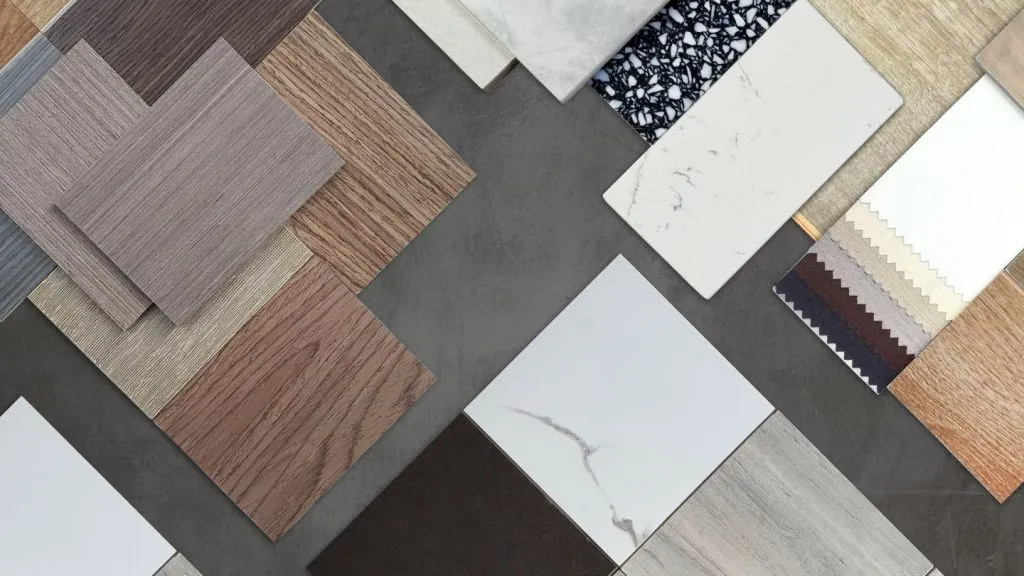
Authentic ranch-style architecture relies on natural materials that connect the home to its landscape. Exterior siding options should emphasize horizontal lines while providing durability and low maintenance. Board-and-batten, horizontal lap siding, stucco, or natural stone each offer different aesthetic approaches while supporting the clean, unornamented lines that define ranch design.
Window styles should maximize natural light and views while maintaining the horizontal emphasis that makes ranch homes distinctive. Large fixed panes, sliding windows, or casement windows with minimal grids provide the best visual connection to outdoor spaces. Contemporary ranch interpretations often feature dark-framed windows that create crisp contrast against light-colored siding.
Roofing materials should complement your regional climate while supporting the low-pitched profile essential to ranch aesthetics. Asphalt shingles, metal standing seam, or clay tiles each offer different performance characteristics and visual appeal. Metal roofing particularly supports modern ranch-style homes while providing excellent durability and solar panel integration potential.
Energy Efficiency and Modern Updates
Modern ranch-style homes benefit significantly from contemporary energy-efficient features that enhance comfort while reducing operating costs. High-performance windows with U-factors of 0.30 or lower and Low-E coatings provide excellent climate control while maintaining the large glass areas essential to ranch design. These energy-efficient windows allow you to maximize natural light and views without compromising interior comfort.
Spray foam insulation in walls and attic assemblies, achieving R-20+ wall and R-40+ ceiling values, helps offset the larger envelope area inherent in single-story houses. The broad roof area provides excellent opportunities for high-performance insulation while supporting potential solar panel installation. Continuous insulation strategies minimize thermal bridging that can occur with conventional framing approaches.
HVAC systems with zoned controls accommodate the different activity areas common in ranch floor plans, which also reinforces the importance of understanding what you need to know about home construction safety during layout and mechanical planning. The long, horizontal layout can create comfort challenges without proper zoning, but modern systems allow precise control over different wings and activity zones. Consider how ductwork routing affects ceiling heights and architectural details in your design.
Accessibility and Aging-in-Place Features
Ranch homes naturally support accessibility and aging in place through their single-story layouts, making them ideal for growing families and long-term living. Plan 36-inch minimum doorway widths throughout your home for wheelchair accessibility, ensuring that future mobility needs don’t require expensive modifications. These wider openings also feel more generous and welcoming for all users.
Zero-threshold entries at main and patio doors eliminate trip hazards while supporting the indoor-outdoor flow that defines ranch living. Eliminating steps and level changes wherever possible creates safer, more accessible circulation patterns for users of all ages and abilities. Consider how grading and drainage can achieve smooth transitions without creating accessibility barriers.
Customization Options and Flexibility
The flexibility inherent in ranch design allows for numerous customization options that can evolve with your family’s changing needs. Take time to research how customization options align with long-term goals, especially when guided by insights from your complete guide to the home construction journey that support informed decision-making. Consider bonus room options such as a home theater, exercise room, or craft studio in a finished basement where site conditions allow. These additional living spaces expand your home’s functionality without compromising the single-story living that makes ranch homes special.
Guest room options with separate entrances provide flexibility for extended family visits or potential rental income. The horizontal footprint often allows for private guest suites that don’t interfere with daily family activities. Consider how guest areas can serve multiple purposes when not occupied by visitors.
Bringing Your Ranch-Style Vision to Life
Designing a ranch-style home requires a thoughtful balance of layout, flow, curb appeal, and outdoor integration. By considering lot size, natural light, architectural balance, and long-term flexibility, you can create a home that feels open, functional, and timeless. This style’s single-level design offers both practicality and lasting charm—especially when working with custom home builders in Cleveland, TN, who understand how to plan with intention.
When you’re ready to turn these ideas into a real home, Concord Homes can guide you through every step. As a trusted home builder in Ooltewah, TN, we focus on crafting spaces that reflect your lifestyle while delivering quality, comfort, and thoughtful design. Our expertise in creating custom residences also extends to homeowners seeking a premier builder in Athens, Bradley County, and Ocoee, TN. Our expertise in creating custom residences also extends to homeowners seeking a premier builder in Athens, Bradley County, and Ocoee, TN. Explore our individual custom homes and available properties to begin building your ideal ranch-style home. Let us help you create a space that’s beautifully designed, highly functional, and uniquely yours.
Frequently Asked Questions
What is the minimum lot size needed for a ranch-style home?
Ranch homes usually need at least 0.5–1 acre to accommodate their wide footprint, outdoor living areas, and required setbacks. Smaller suburban lots can work, but anything under 0.25 acres often restricts design flexibility and reduces the open, spacious feel that defines ranch-style living.
How do I prevent a ranch home from looking too long and monotonous?
Break up the façade by varying roof heights, mixing materials, adding porches, or incorporating grouped windows. Slightly offsetting sections also helps avoid a flat, linear look. Thoughtful landscaping with layered plants and focal points enhances visual depth and keeps the exterior interesting and balanced.
What are the biggest design mistakes to avoid in ranch home planning?
Common mistakes include poor traffic flow, insufficient storage, and inadequate natural light in deeper interior spaces. Failing to integrate outdoor living areas or ignoring how the garage affects curb appeal can also diminish the home’s overall design, functionality, and long-term comfort.
How can I add a second story later if my family grows?
Plan the home’s foundation, load-bearing walls, and roof structure to support future expansion. Rough-in space for stairs during the initial build. However, adding a second story changes the traditional ranch profile, so consider extending horizontally if maintaining the classic aesthetic is important.