
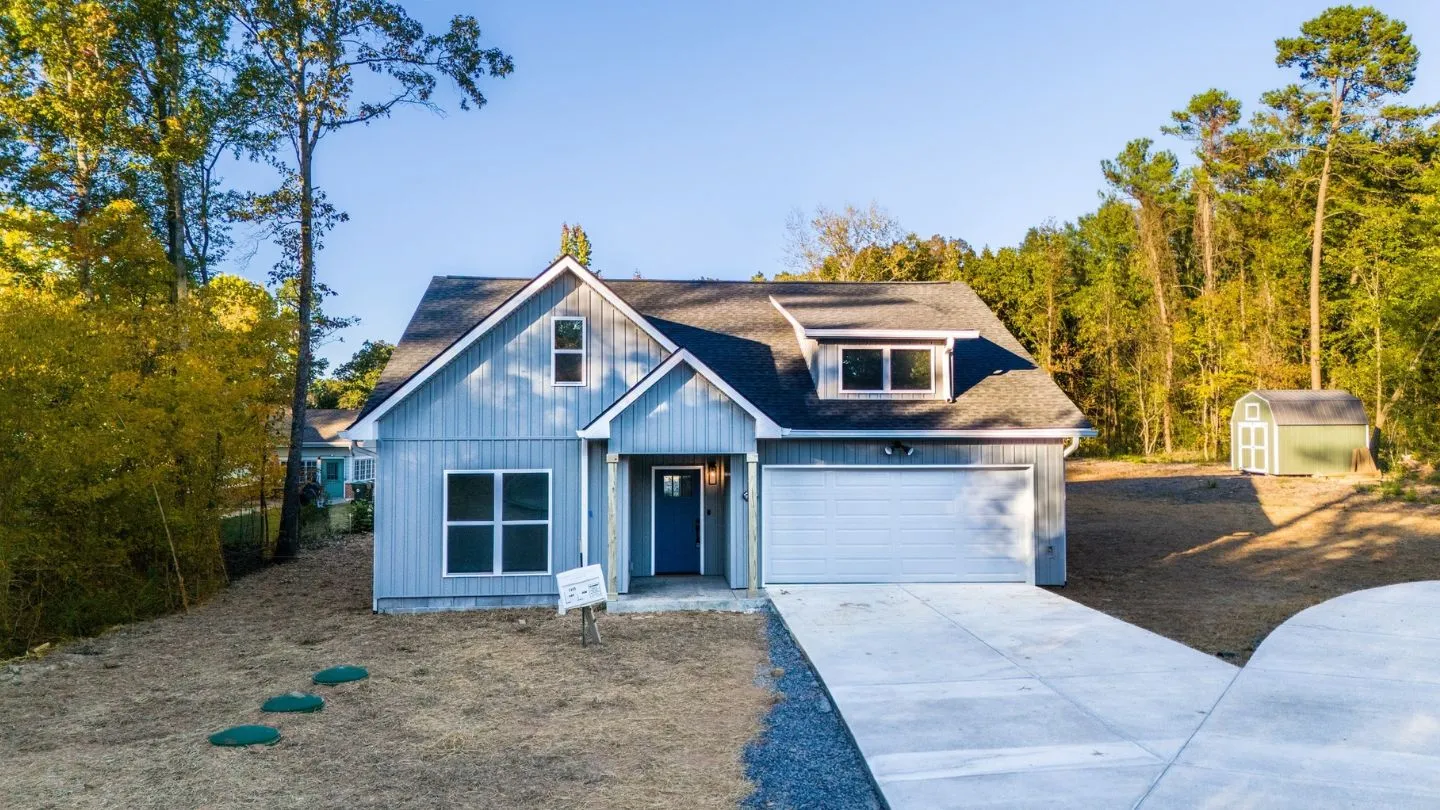
Creating a custom home is an exciting journey that blends creativity with practical planning. This blog explores everything from setting a budget and choosing the right property to selecting materials and integrating modern features. It highlights the latest design trends, smart home technologies, and sustainable building practices that define today’s most desirable homes.
Key Takeaways
- Identifying needs and creating a realistic budget are essential first steps in designing a custom home, guiding important decisions throughout the building process.
- Incorporating sustainable practices, smart home technology, and universal design features enhances both functionality and environmental impact, making modern homes more livable and efficient.
- Planning for long-term maintenance and understanding warranties ensures that homeowners can protect their investment and maintain the value of their custom home over time.
Setting the Foundation for Your Custom Home
Building a custom home starts with a solid foundation, both literally and figuratively. Identifying your needs and wants shapes a realistic vision of your dream home. Balancing practical needs with personal style is key to success.
Creating a realistic budget, considering personal comfort, neighborhood values, and financing options, ensures your dream home remains within reach. Flexibility and prioritizing needs over wants can effectively manage costs while you spend wisely.
Engaging reputable custom home builders, architects, and interior designers brings your vision to life. Their expertise ensures a smooth transition from concept to completion.
Choosing the Right Property
Selecting the right property is a crucial first step. Choose a lot that meets your future needs and is suitable for building. Your property choice significantly impacts design decisions and the overall success of your custom home.
Long-term considerations, such as the land’s suitability and your family’s evolving needs, should guide this decision.
Budgeting for Your Dream Home
Budgeting for your dream home involves considering land cost, desired features, and unexpected contingencies. Establishing a realistic budget prevents financial surprises. Consulting a financial advisor offers valuable insights for effective planning.
Prioritize your specific needs and desires while remaining flexible. This ensures your budget accommodates essential features without compromising quality. If you lack a lender, ask your land professional for a referral to streamline secure financing.
Unexpected costs are inevitable, so it’s wise to set aside a contingency fund. Construction costs for luxury homes can vary significantly, typically ranging from $200 to $500 per square foot or even higher. Discussing and expressing your thoughts about the quality of finishes with your builder will ensure your budget aligns with your expectations.
Read More: What to Expect When Building a Custom Home: A Step-by-Step Guide
Assembling Your Design-Build Team
Assemble a talented design-build team to bring your vision to life. Start by selecting a reputable custom home builder, then engage an architect and an interior designer. Early in the process, it’s crucial to gain insight by understanding the role of a home construction company in custom home design. These professionals help you make informed design decisions to ensure your custom home meets your specifications throughout the custom home building process.
Once the design decisions are made, the builder will price the home, and a purchase agreement will be signed. This agreement marks the beginning of the custom home construction journey, where your dream home starts taking shape from paper to reality.
Designing Your Custom Home: Key Considerations
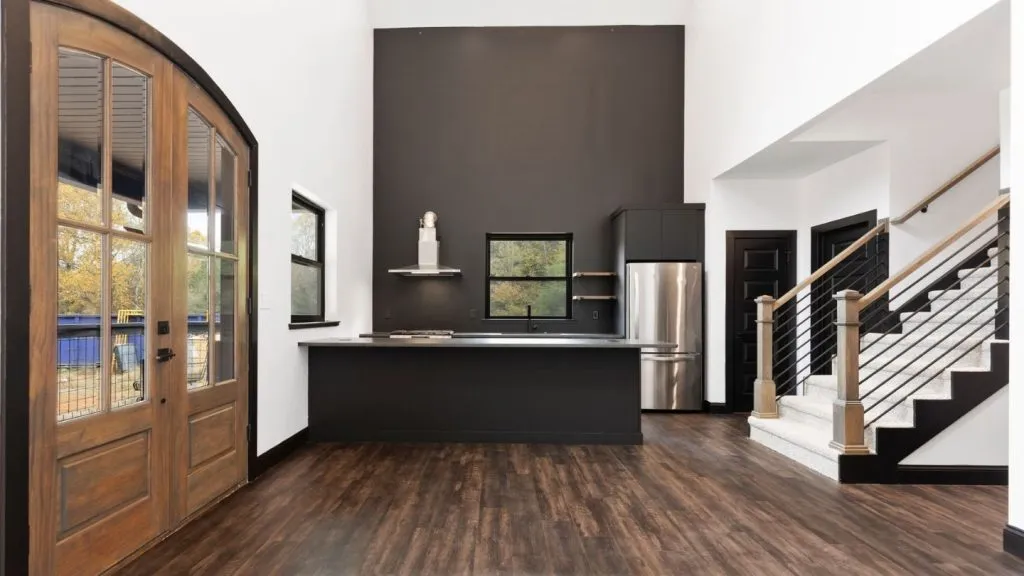
Designing your custom home involves key considerations that define its character and functionality. Architectural style, floor plan, and finish selections require thorough planning. Integrating functional living spaces with personal preferences ensures your home is practical and reflective of your lifestyle.
When planning a custom build, it’s smart to review new home features to consider for your custom home, such as integrated smart technology, energy-efficient materials, and flexible spaces for future lifestyle changes. These choices can increase comfort and long-term value while ensuring the home meets modern expectations.
Early design decisions help avoid budget issues and schedule delays. To maximize your new custom home’s value, consider the following:
- Thorough planning and selecting materials that align with your vision
- Considering the local environment
- Integrating natural views or landscape features to enhance sustainability and aesthetic appeal
Engaging with your builder and interior designer during the architectural design phase will help refine your home’s design, ensuring that every detail is thoughtfully considered and executed.
Creating the Perfect Floor Plan
Creating the perfect floor plan is pivotal. Consider the following steps:
- Identify essential factors like land suitability and critical accommodations that align with your needs.
- Establish must-haves and wish-list items early to provide clear direction.
- Use these priorities to help guide and prioritize design decisions.
Engage in design meetings with your builder to refine the home design according to your preferences. Your builder can assist in identifying preferred architectural styles and creating a preliminary floor plan that suits your lifestyle. Prioritizing the most frequently used areas in your home enhances functionality and ensures a seamless flow throughout the living spaces, including the layout.
Personal taste truly shapes a new build, so consider tailored floor plans, unique finishes, and custom-built features to personalize your custom home design. These thoughtful touches create a distinctive living environment that reflects your lifestyle and enhances the character and comfort of the space.
Incorporating an electrical plan that enhances practicality and aligns with your lifestyle needs is crucial. Consider the intended use of space when placing electrical outlets for convenience and efficiency.
Read More: Discover How Custom Home Builders Can Help You Design the Perfect Floor Plan
Selecting Materials and Finishes
Selecting materials and finishes is crucial. Consider the following key factors:
- Know your budget per square foot for flooring, tile, countertops, and other fixtures.
- Style
- Durability
These factors affect the overall outcome and satisfaction.
Aesthetic appeal and functionality should guide your selections. The finishes should not only look good but also serve their intended purpose effectively. Roofing plays a vital role in protecting the home from external elements while contributing significantly to its aesthetic appeal. Insulation is also important as it helps maintain a comfortable climate efficiently in the home.
Planning for long lead times and ordering materials early ensures readiness for installation. If the home price exceeds the budget, adjustments can be made to the materials, architecture, or floor plan to stay within financial limits.
Incorporating Sustainable Practices
Incorporating sustainable practices is increasingly in demand. Using renewable materials and energy-efficient systems can reduce the home’s environmental impact and enhance its efficiency. These practices have a significant impact on creating a healthier environment and offer long-term cost savings.
Modern custom homes often integrate technology to control energy usage, security systems, and lighting through apps, providing better energy management and convenience. Embracing sustainable design trends ensures that your new home aligns with contemporary environmental standards and promotes a sustainable lifestyle.
Enhancing Livability and Comfort
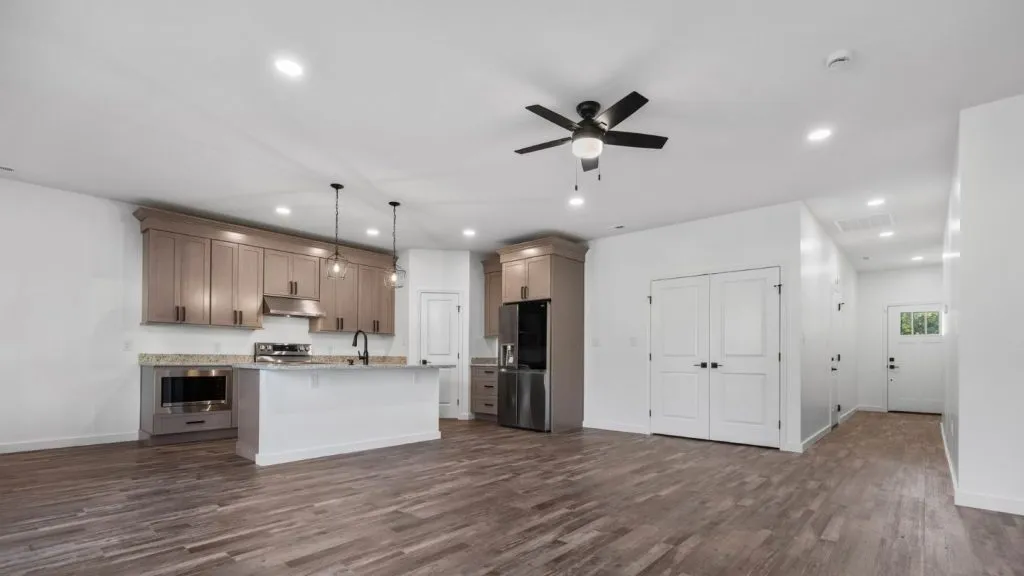
Enhancing livability and comfort involves thoughtful design choices catering to various lifestyles and preferences. Smart home technology, universal design features, and multi-generational living solutions can significantly improve functionality and comfort.
Smart home integration streamlines everyday tasks and enhances security, offering features like remote climate control and automated lighting. Universal Design principles ensure that spaces are usable and accessible for people of all ages and abilities, promoting inclusivity in the home.
Designing areas for multi-generational living allows family members to have their own living area spaces while still being close, catering to privacy and independence.
Smart Home Integration
Modern custom homes feature technology that allows homeowners to control various aspects through mobile applications. Smart home technology integrates devices to improve living convenience and security, leading to better energy management and cost savings.
Incorporating smart technology in custom homes enhances both comfort and functionality, providing homeowners with a seamless and efficient living experience. From automated lighting to advanced security systems, smart home integration is a must-have for any dream home.
Universal Design Features
Universal Design creates accessible and functional spaces for everyone, regardless of age or ability. Key elements include:
- Wide hallways
- Open spaces
- Clear pathways
- Durable materials
- Non-slip flooring
- Lever handles
- Adjustable-height appliances
These features ensure your house room is welcoming and usable for all.
Outdoor spaces can enhance Universal Design by creating seamless transitions between indoor and outdoor areas. Incorporating Universal Design principles reflects unique needs and ensures that your custom home is inclusive and adaptable.
Multi-generational Living Solutions
Multi-generational living solutions cater to families with members of different ages. These homes often include features such as:
- A mother-in-law suite
- Locked-off living space
- Kitchenette
- Full bathroom
- Designated living areas
These features provide privacy and independence while keeping family members close.
Luxury multi-generational homes are designed with flexible layouts that can easily adapt over time to meet changing family needs. These solutions ensure that your custom home remains functional and comfortable for all family members, making it a perfect fit for evolving lifestyles.
Navigating the Construction Process
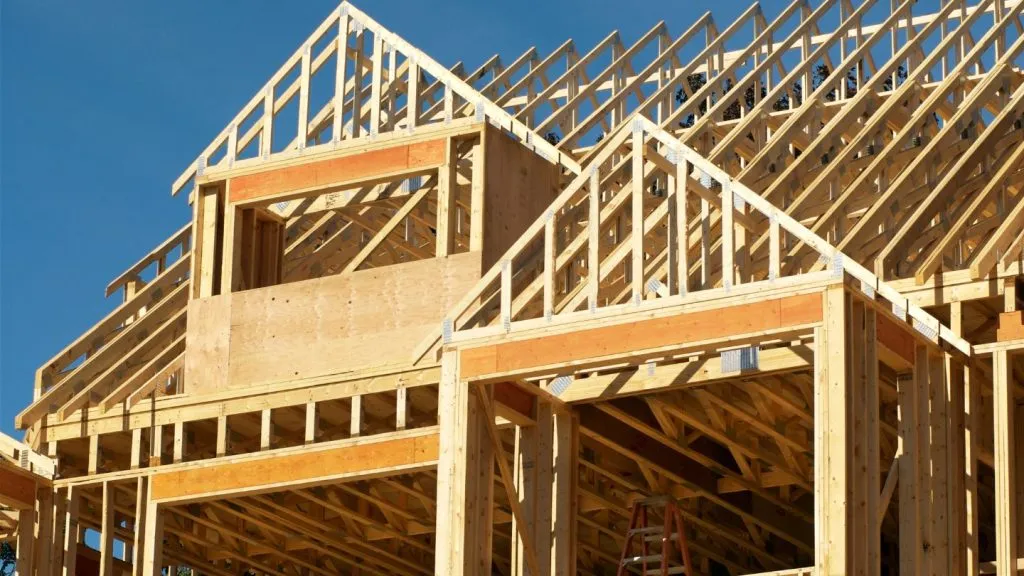
Navigating the construction process requires careful planning and coordination. The process includes the following phases:
- Site preparation, including clearing the land and setting up utilities.
- Excavation, providing a stable foundation.
- Framing, defining the shape of the home.
- Drywall installation.
- Exterior finishing, contributing to the stability of the home.
Compliance through inspections protects your investment and your family’s safety. Final inspections cover structural integrity, electrical systems, and plumbing, ensuring the home is safe for occupancy.
Engaging with interior designers will help finalize fixture choices and streamline decisions.
Securing Permits and Approvals
Securing permits and approvals is crucial. A reliable custom home builder will obtain the necessary building permits and ensure compliance with local regulations.
The Architectural Review Committee reviews plans for community standard adherence. The permitting process may involve multiple communities, requiring careful navigation.
Key Construction Phases
Key construction phases include:
- Site preparation, including clearing the land and setting up utilities.
- Excavation, laying the groundwork for a stable foundation.
- Framing, which defines the shape and load-bearing structure.
- Drywall installation, enclosing the framework to create walls and ceilings.
The exterior finishing stage involves installing siding, roofing, and landscaping, enhancing the home’s curb appeal. Each phase ensures the home is built to last and meets all safety and aesthetic standards, resulting in a high-quality end product.
Final Inspections and Move-In Preparation
Final inspections ensure your custom home meets all safety and compliance standards before moving in. These inspections cover:
- Structural integrity
- Electrical systems
- Plumbing: Confirming the home is safe and ready for occupancy.
Compliance through these inspections protects your investment and your family’s safety.
A thorough walk-through inspection before moving in addresses any remaining questions or concerns, providing peace of mind. This final step ensures you can enjoy your new home without worry, knowing everything has been checked and approved.
Adding the Finishing Touches
Adding the finishing touches is where your personal style truly shines. Selecting interior finishes that reflect your style and personality personalizes your living space, making it uniquely yours.
Preparation for moving in ensures a smooth transition into your new custom home. This phase represents the culmination of planning, craftsmanship, and collaboration, bringing your dream home to life.
Interior Design and Decor
Key selections for interior finishes include:
- Countertops
- Hardware
- Flooring
- Cabinet design
- Cabinets
- Paint
Achieving a cohesive overall aesthetic involves blending elements that resonate with your personal taste. Small details, like fixtures and finishes, significantly impact the home’s ambiance and functionality.
The color palette affects perceived spaciousness and mood, influencing the overall feel of rooms. Different flooring types set the tone:
- Hardwood floors create a modern feel
- Carpets offer a cozy ambiance.
Adding personalized touches enhances your custom home’s uniqueness, such as:
- Built-in shelving
- A bespoke fireplace
Decisions regarding fixtures and finishes, especially in key areas like the kitchen and bath, significantly contribute to the home’s charm and functionality. These choices reflect your lifestyle and the location, ensuring your custom home is both beautiful and practical.
Read More: How to Choose the Best Flooring for Your Custom Home
Lighting and Fixtures
Effective lighting solutions enhance both functionality and ambiance. Consider options like ambient, task, and accent lighting to cater to different needs. Select fixtures that provide necessary illumination and serve as design statements.
Well-chosen lighting solutions and fixtures significantly elevate your home’s aesthetic appeal and create a welcoming atmosphere. Thoughtful lighting placement and fixture selection complete the look and feel of your custom home.
Landscaping and Curb Appeal
Landscaping and curb appeal play crucial roles in the first impression of your custom home, impacting aesthetic value and neighborhood integration. Roofing options like gable, hip, or shed designs affect functionality and curb appeal by contributing to architectural style. Different roofing materials offer benefits like durability, energy efficiency, and aesthetic appeal, enhancing the home’s character.
Integrating suitable roofing designs and materials complements your home’s architecture while boosting curb appeal. A well-designed landscape enhances your home’s beauty and creates a welcoming environment for you and your guests.
Long-Term Maintenance and Support
Planning for long-term maintenance involves understanding warranties and ongoing support offered by builders. Regular maintenance preserves your custom home’s value and functionality. Builders often provide ongoing support services, offering homeowners peace of mind and resources for future issues.
Understanding the terms and duration of builder warranties is crucial for protecting homeowners from unforeseen costs. Builder warranties generally cover major structural components and systems for a defined period, ranging from one to ten years. This coverage safeguards your investment against unexpected repair expenses.
Understanding Warranties
Warranties on custom homes protect homeowners from unforeseen costs. They typically cover major structural defects and significant systems like plumbing and electrical for a specified period.
Understanding the coverage and limitations of warranties ensures that homeowners are safeguarded against unexpected repair expenses.
Regular Maintenance Tips
Regular upkeep of a custom home preserves its condition and value over time. Routine maintenance ensures all systems operate effectively, preventing minor issues from becoming major problems. This proactive approach maintains the home’s aesthetic and functional integrity, ensuring long-term satisfaction.
Builder Support and Services
Custom builders often provide ongoing support and maintenance services that can enhance the longevity of your home. Many builders offer post-construction support services, such as routine check-ups or home care consultations, to assist homeowners after moving in. These services provide peace of mind, knowing that expert help is available if any issues arise.
Engaging with your builder for ongoing support ensures that your custom home remains in top condition. From emergency repairs to regular maintenance checks, these services are invaluable for the long-term upkeep of your home.
Read More: How to Choose the Right Home Builder for Your Custom Home
Final Thoughts
Building your dream custom home is a detailed journey that requires careful planning, thoughtful design, and precise execution. From selecting the perfect property and creating a practical budget to incorporating sustainable practices and smart home technology, every step is essential. With the right design choices, such as universal layouts and multi-generational living options, you can ensure your home is functional, comfortable, and built to last.
At Concord Homes, our team of experts takes pride in being a trusted custom home contractor in Ooltewah, TN. We guide homeowners through every stage of the process, from initial concept and design to construction and final finishing touches. By combining quality craftsmanship with innovative design solutions, we create homes that reflect your vision while maintaining structural integrity, style, and long-term value.
Frequently Asked Questions
What are the first steps in building a custom home?
The initial steps in building a custom home involve identifying your needs and wants, establishing a realistic budget, and forming a design-build team. These foundational actions are critical for a successful home-building process.
How do I choose the right property for my custom home?
Choosing the right property for your custom home requires selecting a lot that meets your future needs and is suitable for construction. Consider long-term home requirements and the lot’s overall suitability for your vision.
What should I consider when budgeting for my custom home?
When budgeting for your custom home, it is essential to consider land costs, desired features, contingencies, and the value of consulting a financial advisor for effective planning. Proper consideration of these factors will help ensure a successful financial outcome.
How do I enhance the livability of my custom home?
To enhance the livability of your custom home, incorporate smart home technology, universal design features, and solutions for multi-generational living, as these enhancements significantly improve both functionality and comfort.
What ongoing support can I expect from my custom builder?
You can expect ongoing support from your custom builder, including routine check-ups, emergency repairs, and home care consultations. This ensures that your investment is well-maintained and any issues are promptly addressed.