
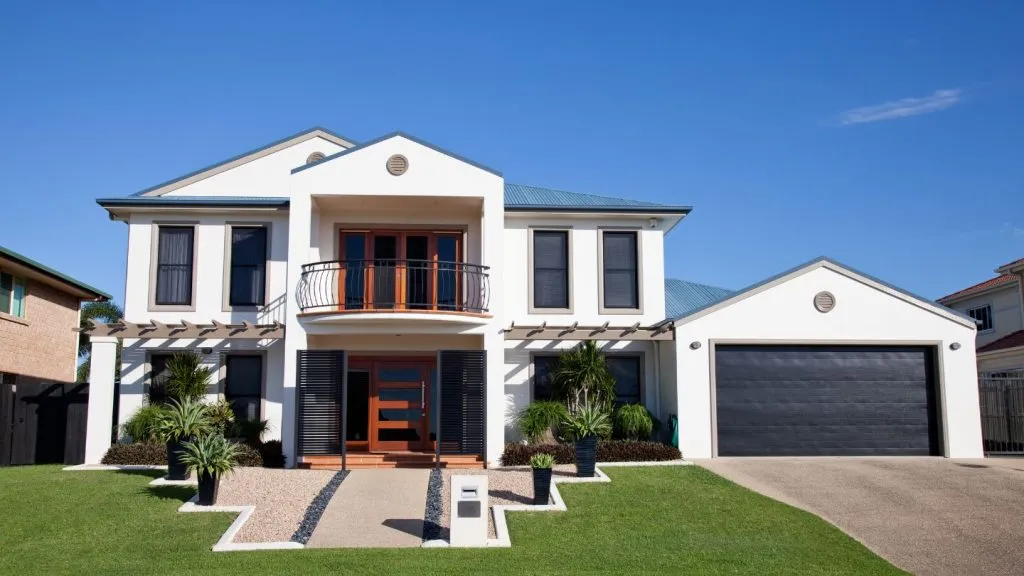
Choosing the right home builder is one of the most important steps in creating your dream home. It’s essential to work with someone reliable, experienced, and trustworthy. Doing your homework upfront can save you time, money, and stress later. Start with thorough research, check credentials, and ask key questions. This blog breaks down expert advice to help you make the best choice.
Key Takeaways
- Thorough research on potential builders is essential for selecting a builder that aligns with your vision and needs.
- Evaluate a builder’s experience, reviews, and business practices to ensure quality and professionalism throughout the building process.
- Understand the building timeline, warranty, and post-construction services to manage expectations and achieve a satisfactory home-building experience.
Do Thorough Research on Home Builders
It’s essential to conduct comprehensive research when looking for a home builder capable of bringing your dream home to fruition. The quest for the right builder should extend beyond superficial online searches. Utilize digital resources, reach out directly via websites or phone calls, and create a list of potential builders who align with your vision. When you set out to choose a builder and delve into researching various home builders, it is imperative that this decision be well-informed.
Seek recommendations from those you trust—friends, family members, and real estate agents who can point you towards reputable home builders while steering clear of those with unfavorable feedback. Making a selection among prospective builders is an important step that demands deliberate contemplation and ought ideally to occur at or shortly after the commencement of working on design plans with an architect.
The initial task in refining your search involves pinpointing exactly what your needs are and deciding on the kind of house you aim to build so as to better identify a builder whose expertise resonates with these aspects, along with their knowledge about the building process. Following through by assessing each candidate’s experience level and proficiency, reviewing client testimonials and references thoroughly, and confirming their professional licensing and certifications are crucial subsequent actions in choosing a suitable builder for constructing your new residence.
Evaluate Builder’s Experience and Expertise
The experience and proficiency of a builder are vital elements to consider. A track record in constructing custom homes indicates the ability of the home builder to handle distinctive obstacles and tailor their approach to various demands. The longevity of their operation can often reflect financial stability and dependability, which serves as a safeguard against potential risks during the building process.
Insights gleaned from client feedback and references can shed light on service excellence and customer satisfaction levels. An understanding of construction protocols, methodologies, and equipment is essential for crafting a high-quality home that aligns with industry standards while utilizing premium brands within the residential construction sector.
By merging seasoned expertise, robust testimonials, and professional acumen, one paves the way for an effective house-building venture. This comprehensive approach guarantees that your preferences are acknowledged, ensuring all expectations are addressed satisfactorily when creating your custom-built residence.
Check Reviews and References
When assessing builders, it is crucial to examine reviews and check references. Consistently poor evaluations from a variety of sources ought to make you think twice about proceeding. It’s important to contact the references they provide in order to gauge their previous work and how satisfied their customers have been.
Gaining direct feedback from former clients sheds light on the credibility and level of service delivered by a builder. Reputable builders should be willing to share references or showcase examples of their prior projects. Encountering several adverse remarks regarding any particular builder may indicate that it is wise to reevaluate your options with them in mind. This practice assists in making more informed comparisons between builders, steering clear of those with histories indicative of subpar performance.
Verify Licenses and Certifications
It is essential to confirm that a builder possesses the necessary licenses and certifications, as proper licensing confirms their qualifications, and being part of local builders’ associations demonstrates a dedication to professional conduct.
To ensure you are dealing with an authentic and compliant builder, search for particular credentials. Review any licensing infractions on the website of the Contractors State License Board to verify that they abide by established industry standards and regulations.
Ask the Right Questions
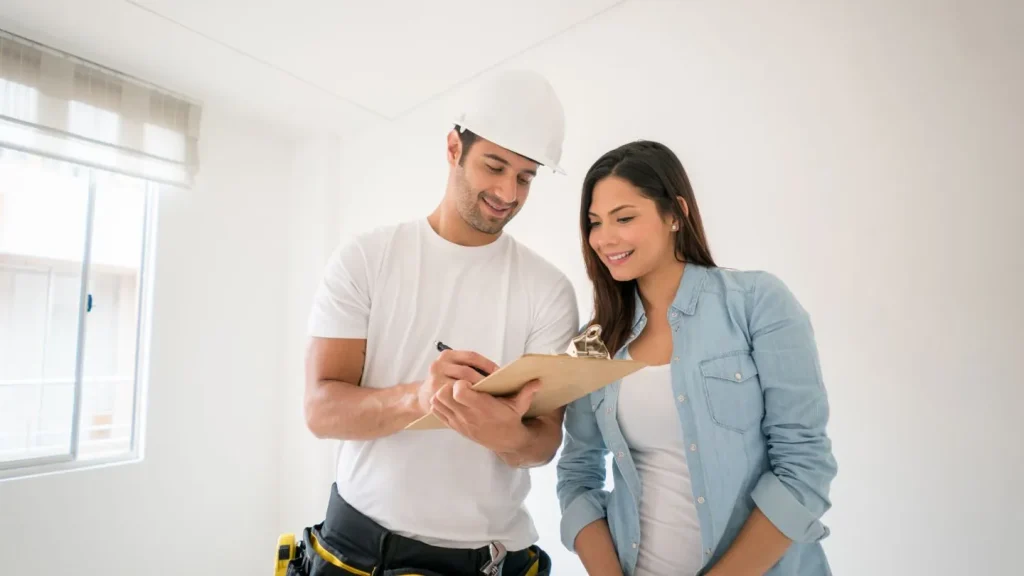
Asking the right questions is vital for making an informed choice, especially when it comes to such a big decision. Friends, family, colleagues, and neighbors can offer referrals. Inquire with neighbors about their satisfaction with their home and their willingness to build again.
Interview your top builder choices to thoroughly assess and understand each one. Inquire about their process for building a custom home, specific building materials, and how they handle contracts and payment schedules to gain insights into their knowledge, expertise, and quality standards as a custom home builder.
How Do You Handle Contracts and Payment Schedules?
How a builder handles contracts and payment schedules is crucial. A contract should detail the scope of work, costs, timeline, and payment schedule. Builders should explain contract types, such as fixed-price and cost-plus contracts.
Be cautious if the builder hesitates to provide a detailed contract. During initial meetings, ask for a sample contract, budget, schedule, and warranty; these should be available later. This ensures a steady flow of payments to complete the work on time, as a general contractor would expect.
What Is Your Estimating Process?
The estimating process is critical in home building. Ensure it’s thorough, based on historical costs and market pricing. A detailed estimate might take up to three weeks to prepare.
Assess the builder’s relationships with subcontractors to gauge their familiarity with the vetting process. Design changes during the build can create significant delays and should be avoided unless necessary. Builders must document alterations, present associated costs, and obtain homeowner approval for effective implementation.
Who Will Supervise My Project?
Ensuring that you are aware of who will be in charge of overseeing your project is crucial for maintaining steady supervision and accountability during the construction process. Establishing this contributes to upholding consistent oversight across the entirety of the project.
It’s typical within the construction industry for builders not to designate a specific supervisor until construction gets underway. Being informed about this practice allows you to set transparent expectations and preserve ongoing communication throughout the duration of your project.
Read more: 15 Essential Questions to Ask a Builder When Building a Home
Assess Communication and Business Practices
It is crucial for a positive home construction experience to have strong business practices and effective communication. Ensuring that your builder understands your requirements requires clear dialogue. Evaluate their approach to communication and the robustness of their business ethics during site inspections, so as to verify their dependability and promptness.
Examining the business operations of your chosen builder serves as a safeguard against potential liabilities while promoting higher quality service. Confirming that the builder has sufficient insurance is imperative in order to shield not just their firm and workforce, but also you as a client from any mishaps or losses that could occur. This action offers both protection from unexpected challenges and mental comfort.
Evaluate Communication Style
Assessing how a builder communicates is vital for successful teamwork throughout the construction of a home. Indicators that suggest issues with a builder are challenges in communicating or not responding promptly to questions.
How a builder interacts with the design team reflects their general effectiveness in communication. Being clear about their methods of communication and being responsive to queries and issues during the building process signify good communicative practices.
Review Business Practices and Insurance
It’s crucial to question a builder’s business practices as this is key in safeguarding against potential liabilities and guarantees improved service quality. It is imperative for builders to have insurance that safeguards the firm, its workforce, and clientele from unforeseen losses or incidents, encompassing both workers’ compensation and liability insurance.
Take note of the manner in which a builder responds when you pose questions. It reveals much about their honesty and readiness to engage. Builders ought to be open about how they conduct their operations as a measure of protection against possible liabilities. The way a builder handles inquiries can serve as an indicator of their professional aptitude.
Consider the Builder’s Portfolio and Specializations
It is essential to examine a builder’s portfolio during the selection phase, as it highlights their previous work and allows you to evaluate the quality, style, and level of craftsmanship they bring.
Ensuring that a builder’s expertise aligns with your specific needs and vision is vital. When you find congruence between what a builder excels in and what you anticipate for your project, it paves the way for an enjoyable and triumphant construction endeavor.
Review Past Projects
Ensuring that the quality and craftsmanship of a builder’s previous projects are consistent with your concept of an ideal home is vital. As you tour model homes, pay close attention to workmanship, material selections, design elements, layout options, meticulousness in detail-oriented aspects, professional conduct displayed by the team, as well as the condition of their job sites.
This careful examination will aid in determining whether or not the builder’s approach and expertise match what you anticipate for your own residence. It is crucial that there be harmony between the past accomplishments of the builder and your envisioned result to guarantee a gratifying experience in constructing your dream home.
Identify Specializations
Recognizing the expertise of a builder in particular areas is essential to cater to your project’s distinct needs. Ensuring that a builder is proficient in custom or luxury designs will help them fulfill your bespoke requirements effectively.
Securing the right builder, who is adept at crafting constructions in the style you want, can enhance both your experience during the building process and the quality of the final outcome when working with a qualified builder.
Understand the Building Process and Timeline
Grasping the intricacies of the construction sequence and scheduling is crucial to control expenses and maintain seamless collaboration throughout the creation of a custom home. Crafting an explicit schedule is instrumental in setting clear expectations and mitigating unforeseen events.
Unexpected holdups may occur as a result of inclement weather, scarcity of materials, or alterations in design specifications. To circumvent such issues, builders engage in a forward-thinking strategy with their material suppliers. It’s important to question builders about their proposed timelines and capacity to ensure that your project aspirations are compatible with their existing commitments.
Detailed Construction Timeline
Constructing a custom home can take from 8 months to over 24 months. The average timeframe varies from 10 to 16 months, influenced by design complexity and other factors.
Factors influencing the construction timeline include:
- Design size and complexity
- Builder’s organization
- Team experience
- Schedule updates
- Problem-solving capabilities
A clear, detailed timeline is essential for a smooth building process within a reasonable time frame.
Change Order Process
Inquiring about the builder’s procedures for addressing design alterations or unexpected circumstances is essential, which includes recording modifications, detailing costs and alternatives, securing consent, and ensuring prompt execution. It’s important to clarify how the builder handles unforeseen expenses and change orders in order to avert financial shocks.
Grasping the process for handling change orders is key to navigating the daunting task of construction effectively while preventing holdups and cost escalations during the entire building process.
Read more: Building Your Dream Home: A Step-by-Step Guide to the Home Building Process
Warranty and Post-Construction Services

A well-crafted insured warranty offers protection to new homeowners from possible problems that may arise after construction is complete. It should encompass coverage for structural flaws, craftsmanship errors, and various other potential complications.
Proactive post-construction assistance ensures any concerns or challenges encountered following settlement are dealt with promptly. Sustaining ongoing communication with clients once the project is finished aids in preserving lasting customer relationships.
Warranty Details
Builder warranties typically cover workmanship and materials for six months to two years. Some warranties extend coverage for major structural defects up to ten years.
Custom home warranties cover major components like plumbing, electrical systems, and structural elements for defined periods, often segmented into one, two, and ten years. A workmanship warranty ensures construction meets industry standards, guaranteeing quality even without being explicitly stated in the contract.
Post-Construction Support
Addressing issues promptly after construction is crucial in resolving emerging problems and guaranteeing the contentment of homeowners. The way a builder responds to concerns following construction has a considerable impact on the experience of owning a home.
Providing support soon after completion helps to stop small problems from becoming major ones, which aids in preserving the property’s value and securing the happiness of the homeowner.
Making the Right Choice for Your Dream Home
Choosing the right home builder is a significant decision that goes beyond comparing prices or design options. It’s about ensuring you have a partner who values transparency, communicates openly, and understands your vision. By focusing on these key factors and doing thorough research, you can confidently select a builder who will not only meet but exceed your expectations throughout the entire process.
For those seeking a trusted home builder in Athens, TN, we are here to turn your dream into reality. Whether you’re envisioning a stylish barndominium or an individual custom home, Concord Homes delivers quality craftsmanship, reliable timelines, and personalized service. We’re committed to creating homes that reflect your unique lifestyle and exceed expectations. Take the first step toward your dream home, contact us today for an exceptional home-building experience that blends comfort, style, and lasting value.
Frequently Asked Questions
What should I look for in a home builder’s contract?
Look for a detailed contract that outlines the specifics of the work, costs, timeline, and payment schedule. Request samples during your initial meetings to ensure everything is clear and secure your dream home.
How important is it to verify a builder’s licenses and certifications?
It’s essential to verify a builder’s licenses and certifications to ensure they are qualified and meet industry standards. Doing so gives you peace of mind and confidence in your investment.
How can I assess a builder’s experience and expertise?
To effectively assess a builder’s experience and expertise, check their years in business, gather customer feedback, and evaluate their understanding of construction standards. Trustworthy references combined with professionalism will lead to a successful home-building journey!
Why is it important to understand the builder’s communication style?
It is essential to grasp the communication style of the builder to ensure that your ideas are in sync and that any issues you have are dealt with swiftly. Establishing confidence in their openness from the initial encounter lays down a solid groundwork for a fruitful partnership.
What should I expect from post-construction support?
Expect prompt responsiveness and assistance with any issues that come up after moving in. This ongoing support not only resolves problems but also fosters a positive experience and relationship with your builder.