

Remodeling your home can be an exciting opportunity to refresh your space, enhance functionality, and boost long-term value. But without the right preparation, even small missteps can lead to unnecessary stress and costly fixes. A successful remodel requires clear planning, smart budgeting, and awareness of potential pitfalls. With thoughtful decisions, you can ensure a smooth, rewarding transformation. In this blog, we’ll explore the most common mistakes homeowners make and how to avoid them for a seamless remodeling experience.
Key Takeaways
- Poor planning and budget underestimation cause 38% of homeowners to exceed their renovation costs
- Skipping permits can result in fines, insurance voids, and reduced home resale value
- Hiring the cheapest contractor often leads to poor workmanship and hidden costs
- Prioritizing aesthetics over functionality creates daily frustrations and reduces home value
- Not preparing for disruptions and timeline delays affects 47% of DIY homeowners
1. Inadequate Planning and Preparation
The first thing many homeowners do wrong is jump into their home remodeling project without comprehensive planning. With 25% of homeowners prioritizing renovations in 2025, the temptation to start immediately is stronger than ever. However, inadequate preparation sets the stage for nearly every other mistake on this list.
Consider the family who decided to remove a wall between their kitchen and dining room for an open concept design, only to realize later that cooking smells and noise disrupted homework time and family conversations. Or the homeowner who planned a beautiful bathroom renovation but failed to measure properly, leaving insufficient space for the desired vanity and creating awkward door clearances.
Creating Your Comprehensive Plan
Before you pick up a sledgehammer, invest time in thorough preparation:
- Define your goals clearly: Write down exactly what you want to achieve, not just how you want it to look
- Measure everything twice: Create detailed room measurements and floor plans
- Research materials and fixtures: Understand lead times, costs, and compatibility
- Plan for project management: Determine who will coordinate different trades and handle decisions
- Consider professional consultation: An hour with a designer can save thousands in mistakes
Remember, the money you invest in planning pays dividends throughout the entire process, helping you avoid the kinds of issues and common mistakes to avoid in home construction. Professional consultation during the planning phase helps you avoid costly changes once work has begun.
2. Severely Underestimating Project Costs
Budget-related renovation mistakes are perhaps the most common and devastating. Research shows that 38% of homeowners underestimate DIY project costs, often by significant margins. This mistake doesn’t just mean spending more money—it can force you to halt work mid-project or accept cheap materials and shortcuts that compromise long-term value.
Cost underestimation happens for several reasons. Material price increases can catch homeowners off guard, especially during periods of economic volatility. Labor costs vary dramatically by region and project complexity. Many people forget about permit fees, inspection costs, and disposal fees for debris removal. Perhaps most importantly, few homeowners plan ahead for the unexpected costs that renovation work inevitably reveals.
Hidden Costs That Catch Homeowners Off Guard
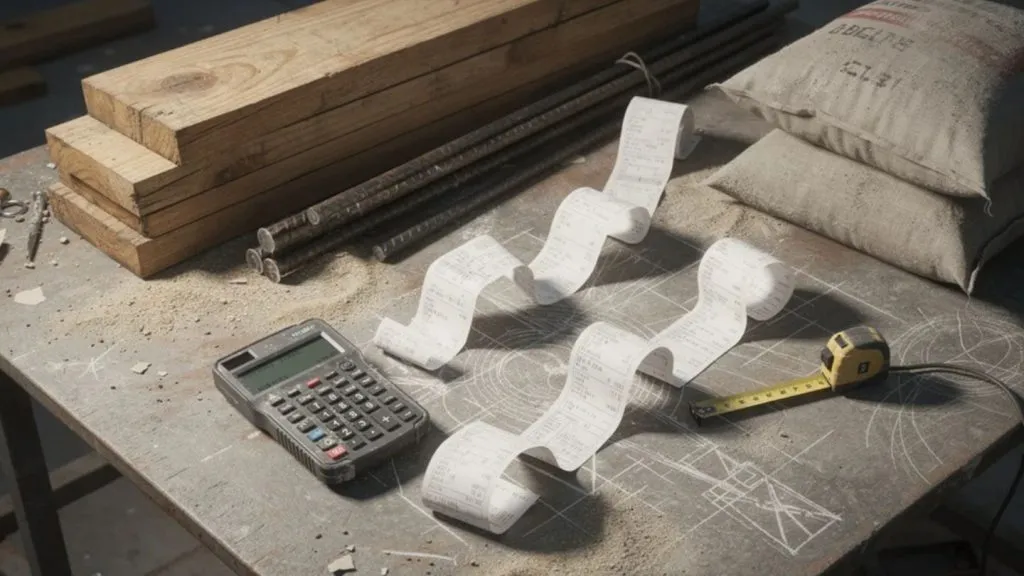
Your initial budget should include these often-overlooked expenses, especially when you consider long-term financial impacts similar to those compared in the benefits of building a custom home vs buying an existing one:
- Structural surprises: Old electrical system upgrades, plumbing repairs, or foundation issues discovered during demolition
- Code compliance: Bringing existing work up to current building standards
- Permit and inspection fees: These vary by local building department, but can add hundreds or thousands to your budget
- Temporary living arrangements: Additional cost for eating out when your kitchen is unusable
- Storage and protection: Renting storage units or protecting furniture from dust and debris
- Professional services: Architects, engineers, or designers not included in contractor bids
We always recommend including a 10-20% contingency fund for unexpected expenses. This isn’t pessimism—it’s realistic planning based on the inherent uncertainties in renovation work. Even with careful prep work, opening up walls often reveals problems that must be addressed for safety and code compliance.
Your budget should also account for the quality level you actually want. A realistic bid from a quality contractor will cost more upfront but typically saves money in the long run through better workmanship, proper materials, and fewer callbacks.
Read more: How Home Contractors Can Help You Create a Functional and Stylish Kitchen?
3. Ignoring Permit Requirements and Building Codes
One of the most expensive mistakes homeowners make is skipping the permit process. Whether it’s to save time, avoid fees, or prevent tax reassessment, unpermitted work creates serious problems that far outweigh any short-term savings.
Most electrical work, plumbing changes, structural modifications, and HVAC system updates require permits from your local building department. Even seemingly simple projects like replacing a deck, installing new appliances, or moving walls may need official approval. The specific requirements vary by jurisdiction, making research essential before work begins.
Consequences of Unpermitted Work
The risks of avoiding permits include:
- Safety hazards: Uninspected electrical work, structural changes, or gas line modifications can cause fires, floods, or worse
- Legal and financial penalties: Fines, forced removal of completed work, and double permit fees if violations are discovered
- Insurance coverage issues: Claims may be denied if damage results from unpermitted modifications
- Resale complications: Buyers may demand price reductions or proof that unpermitted work meets code standards
- Failed inspections during sale: Home inspectors flag unpermitted work, potentially derailing transactions
Step-by-Step Permit Process
Getting proper permits isn’t as complicated as many homeowners fear:
- Contact your local building department to understand specific requirements for your project
- Submit detailed plans showing the scope of work and materials to be used
- Pay required fees and schedule initial inspections
- Schedule inspections at appropriate stages (rough-in, insulation, final)
- Receive final approval and keep permit documentation with your home records
Remember that permits protect you as much as they protect future occupants. Inspections catch problems early, when they’re easier and cheaper to fix. Professional contractors familiar with local codes can navigate this process efficiently.
4. Hiring the Cheapest Contractor Available
When faced with multiple contractor bids, the temptation to choose the cheapest option is strong. However, hiring based solely on price often leads to poor workmanship, hidden costs, and frustrating delays. As industry experts warn, if a bid seems too good to be true, you’ll likely end up paying the same amount as a higher-priced contractor once you factor in corrections and rework.
Low bids typically indicate several problems: unrealistic material allowances, use of unlicensed subcontractors, inadequate project management overhead, or intentional underbidding with plans to increase costs through change orders. Quality contractors understand the true cost of materials and skilled labor—they can’t perform miracles with pricing.
The Contractor Vetting Process
Proper contractor selection involves much more than comparing prices:
Verify credentials and insurance:
- Check state or local licensing status
- Confirm liability and workers’ compensation insurance
- Verify business registration and tax compliance
Evaluate experience and reputation:
- Review portfolios of similar projects
- Contact recent customers for references
- Check online reviews and Better Business Bureau ratings
- Visit current job sites if possible
Assess communication and professionalism:
- Note responsiveness to calls and emails
- Evaluate clarity of written estimates and contracts
- Observe punctuality and organization during meetings
A good contractor provides detailed written estimates breaking down labor, materials, and other costs. They should also offer reasonable payment terms tied to project milestones rather than demanding large upfront payments.
Remember that building relationships with quality professionals pays dividends on your next project and any warranty work that might be needed. The cheapest option rarely provides the best long-term value.
5. Prioritizing Style Over Practical Function
Social media and home improvement shows flood us with gorgeous renovation photos that prioritize visual impact over daily usability. At the same time, beautiful design matters; choosing style over function creates frustrations that last far longer than the initial wow factor.
Common style-over-function mistakes include removing upper cabinets for an airy look but sacrificing essential storage, installing beautiful but impractical materials that show every fingerprint or water spot, or creating open floor plans that eliminate privacy and noise control. These decisions might photograph well, but they can make daily life more difficult for your family.
Balancing Beauty and Usability
Smart renovation design considers both form and function:
Kitchen functionality essentials:
- Adequate storage for your actual belongings (not just what looks good)
- Practical work triangles between sink, stove, and refrigerator
- Sufficient counter space for food preparation
- Appropriate lighting for different tasks
- Easy-to-clean surfaces that suit your maintenance preferences
Bathroom design priorities:
- Adequate storage for toiletries and linens
- Proper ventilation to prevent moisture damage
- Non-slip floor surfaces for safety
- Sufficient lighting for grooming tasks
- Privacy considerations for family use
Future-Proofing Your Design Choices
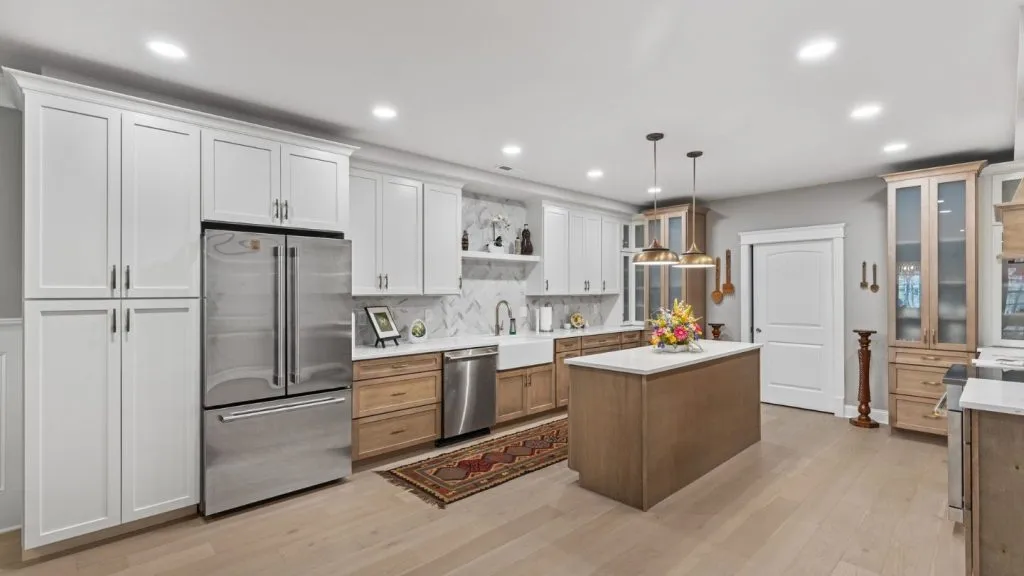
Good design anticipates how your needs might change over the next few years:
- Plan for aging in place with wider doorways and accessible features
- Consider remote work needs with flexible office space
- Design storage that adapts to different life stages
- Choose durable materials that age gracefully
- Create spaces that function for various activities
The best renovations create spaces that remain both beautiful and livable for decades, not just for the photo shoot.
6. Overestimating DIY Capabilities
With 55% of homeowners planning more DIY projects in 2025, the appeal of saving money is growing—but so are the risks. DIY work often leads to incomplete projects, code violations, hidden safety hazards, and costly professional corrections. What seems like a budget-friendly choice can quickly become more expensive, stressful, and time-consuming than hiring an expert from the start.
Professionals bring technical expertise, code knowledge, and project efficiency that DIY homeowners simply cannot match. Skilled contractors understand structural requirements, electrical and plumbing safety, material limitations, and sequencing—factors that determine the long-term quality and safety of your remodel. Their experience reduces risk, prevents errors, and ensures your project meets inspection standards.
Why DIY Falls Short
Most DIY attempts fail because homeowners underestimate the complexity, time commitment, and tools required. Prep work alone makes up 70–80% of projects like tiling or painting, yet it is often rushed or skipped entirely. More dangerous tasks—electrical, plumbing, structural changes—carry serious safety and legal consequences when performed incorrectly.
Signs DIY may not be the right choice:
Skill limitations:
- Lack of experience with similar projects
- Unfamiliarity with safety procedures and building codes
- Inability to troubleshoot unexpected issues
Time constraints:
- Irregular schedules that delay progress
- Unrealistic timelines that ignore learning curves
- Life interruptions that stretch a weekend project into months
Tool and equipment gaps:
- Not owning or knowing how to use required tools
- Inadequate workspace for larger projects
- Missing essential safety gear
Why Professionals Deliver Better Results
Hiring a professional ensures your remodel is done correctly, safely, and efficiently. Contractors bring:
- Licensed expertise and code compliance
- Access to professional-grade tools and materials
- Faster completion times
- Warranty-backed workmanship
- Fewer unexpected costs or mistakes
In the long run, professional work protects your investment, increases home value, and provides the peace of mind that DIY struggles rarely achieve.
7. Not Preparing for Project Disruptions
Research indicates that 47% of homeowners underestimate project timelines, but the bigger issue is failing to prepare for the daily disruptions that major renovations create. Dust, noise, limited access to essential rooms, and general chaos can turn your home into an uncomfortable environment for weeks or months.
Smart planning for disruptions protects both your family’s comfort and your belongings from damage, an approach that aligns with principles found throughout how to avoid construction project delays. It also reduces stress and helps maintain realistic expectations as work progresses.
Common Disruption Sources
Major renovations affect daily life in several ways:
Physical disruptions:
- Dust spreading throughout the house despite plastic barriers
- Noise from demolition, power tools, and construction activity
- Limited or blocked access to rooms, storage areas, and utilities
- Debris and materials taking up parking and yard space
Functional disruptions:
- Temporary loss of kitchen facilities requiring alternative meal planning
- Bathroom access limitations during fixture installation
- Utility interruptions for electrical, plumbing, or HVAC work
- Limited storage access affects daily routines
Planning for disruptions doesn’t eliminate them, but it makes them much more manageable for everyone involved.
8. Neglecting Future-Proofing and Long-Term Needs
Too many homeowners design renovations around their immediate wants without considering how their needs might evolve. Future-proofing your renovation means creating adaptable spaces that accommodate lifestyle changes, aging in place, family growth, and emerging technology needs.
This forward-thinking approach often costs little or nothing extra during initial construction but can save tens of thousands in future renovations. It also enhances your home’s appeal to potential buyers who value flexibility and thoughtful design.
Designing for Lifestyle Changes
Accessibility and aging in place:
- Install wider doorways (36 inches minimum) throughout the house
- Design at least one bathroom that could accommodate mobility aids
- Plan for potential ramp access at main entrances
- Choose lever-style door handles and faucets over knobs
- Ensure adequate lighting and electrical outlets at practical heights
Family growth and changing needs:
- Design flexible spaces that can serve multiple functions
- Plan adequate storage for seasonal items and equipment
- Consider how room uses might change as children grow
- Create quiet zones for study or remote work
- Plan outdoor spaces that grow with family activities
Technology integration:
- Install ample electrical outlets and USB charging stations
- Plan for robust internet infrastructure throughout the house
- Design cable management systems for entertainment areas
- Consider smart home infrastructure during electrical rough-in
- Plan for electric vehicle charging if you have a garage
Energy Efficiency and Sustainability
Future-proofing also means preparing for changing energy costs and environmental concerns:
- Install high-efficiency windows and insulation beyond minimum code requirements
- Plan for potential solar panel installation with appropriate electrical infrastructure
- Choose durable materials that won’t need replacement in a few years
- Design systems that can easily accommodate future upgrades
The small additional investment in future-proofing often pays dividends in comfort, functionality, and resale value for many years to come.
9. Overlooking Energy Efficiency and Structural Issues
Renovation provides the perfect opportunity to address energy efficiency and structural problems, but many homeowners focus solely on cosmetic improvements. This shortsighted approach misses chances to reduce utility bills, improve comfort, and prevent future problems that could be much more expensive to fix later. When walls are open and systems are exposed, upgrading insulation, electrical systems, and addressing structural issues costs a fraction of what these improvements would cost as standalone projects.
Hidden Structural Problems
Major renovations often reveal problems that were invisible behind finished surfaces:
Common structural discoveries:
- Water damage from roof leaks, plumbing failures, or poor drainage
- Undersized or damaged framing members
- Foundation settlement or cracking
- Improper previous modifications that compromised structural integrity
- Insect damage or rot in wood structural elements
Electrical system deficiencies:
- Outdated wiring that can’t handle modern electrical loads
- Insufficient circuit capacity for new appliances
- Safety hazards from improper previous work
- Missing ground fault circuit protection in bathrooms and kitchens
- Inadequate electrical panels for home additions
HVAC and insulation issues:
- Inadequate insulation leading to energy loss and comfort problems
- Poorly designed ductwork reduces system efficiency
- Undersized heating and cooling equipment
- Air leaks compromising energy performance
Professional Assessment Value
Before beginning major renovation work, consider hiring professionals to assess your home’s structural and systems condition:
- Home inspection by a qualified inspector can identify problems before they surprise you mid-project
- Energy audit reveals efficiency opportunities and helps prioritize improvements
- Structural engineer consultation for homes with settlement, large openings, or other structural questions
- HVAC system evaluation to ensure adequate capacity for renovated spaces
Addressing these issues during renovation prevents costly surprises and creates a more valuable, comfortable, and efficient home.
10. Poor Communication and Documentation
Even the best-planned renovation can derail due to poor communication between homeowners, contractors, and other professionals. Miscommunication causes project delays, cost overruns, and frustration that can damage relationships and compromise results.
Effective project management requires establishing clear communication channels, maintaining organized documentation, and staying actively involved without micromanaging the process.
Establishing Clear Communication
Project communication protocols:
- Designate a single point of contact from your family to avoid conflicting instructions
- Establish regular update meetings or calls with your contractor
- Determine preferred communication methods (text, email, phone) for different types of issues
- Create systems for documenting decisions and changes
- Set expectations for response times and availability
Decision-making processes:
- Plan material and fixture selections before work begins
- Establish decision deadlines to avoid project delays
- Create approval processes for changes or unexpected issues
- Designate who can make decisions when primary homeowners aren’t available
Documentation That Protects Your Investment
Essential project records:
- Original contracts with detailed scope of work and materials specifications
- All change orders with costs and timeline impacts clearly documented
- Payment records tied to project milestones and completion percentages
- Warranty information for materials and workmanship
- Permit documentation and inspection certificates
- Before and after photos documenting the process
Organized record-keeping:
- Create a project binder or digital folder for all renovation documents
- Photograph any work behind walls before closing them up
- Keep receipts for all materials and services for warranty and tax purposes
- Document any problems or concerns as they arise
- Maintain updated project timelines and milestone completions
Good communication and documentation protect your investment and help ensure your renovation achieves its intended goals on time and within budget, which becomes especially important when you’re focused on building your dream home.
Moving Forward With a Smarter Remodeling Plan
Avoiding common remodeling mistakes comes down to clear planning, realistic budgeting, and choosing the right professionals. When homeowners understand potential pitfalls—from poor communication to overlooking permits—they can protect their investment and enjoy a smoother, more successful renovation experience. Thoughtful preparation, especially when working with a custom home contractor in Cleveland, TN, ultimately leads to better results and a more comfortable, functional home.
When you’re ready to remodel with confidence, Concord Homes is here to help guide your project from concept to completion. As a trusted home builder in Ocoee, Athens, Bradley County, and Ooltewah, TN, we focus on quality craftsmanship, transparent processes, and designs that enhance the way you live every day. Explore our individual custom homes and available properties for inspiration as you plan your next renovation. Let us support your vision and deliver a remodeling experience that feels seamless, efficient, and rewarding.
Frequently Asked Questions
How much should I budget for unexpected renovation costs?
Homeowners should set aside an additional 10–20% of the total project cost to cover unforeseen issues such as structural repairs, outdated wiring, or code-required upgrades. Older homes or complex renovations may require an even higher buffer. This contingency protects project timelines, quality, and long-term safety.
When is it worth hiring professionals versus doing DIY work?
Professional help is essential for structural changes, electrical or plumbing modifications, gas lines, and any work requiring permits or inspections. DIY is better suited for cosmetic tasks like painting or minor installations. Evaluate your skills honestly and consider how delays or mistakes could affect your project’s cost and schedule.
How do I know if my contractor is properly licensed and insured?
Confirm licensing through your local or state building department, and request proof of liability and workers’ compensation insurance. Verify coverage directly with the insurer and check the contractor’s business registration and BBB standing. A reliable professional will provide documentation without hesitation; reluctance is a major warning sign.
What permits are typically required for common home renovations?
Permits are often required for structural changes, electrical upgrades, plumbing alterations, HVAC work, and additions. Even projects like decks, window replacements, or new outlets may need approval depending on local regulations. Contact your building department early to avoid costly issues tied to unpermitted work.
How can I minimize disruption to my family during a major remodel?
Prepare temporary living setups such as a small kitchen or protected bathroom space, and relocate valuables from construction zones. Establish quiet, clean areas for daily routines. Communicate timelines with your household and consider temporary housing for extensive renovations to reduce stress and keep work progressing efficiently.