
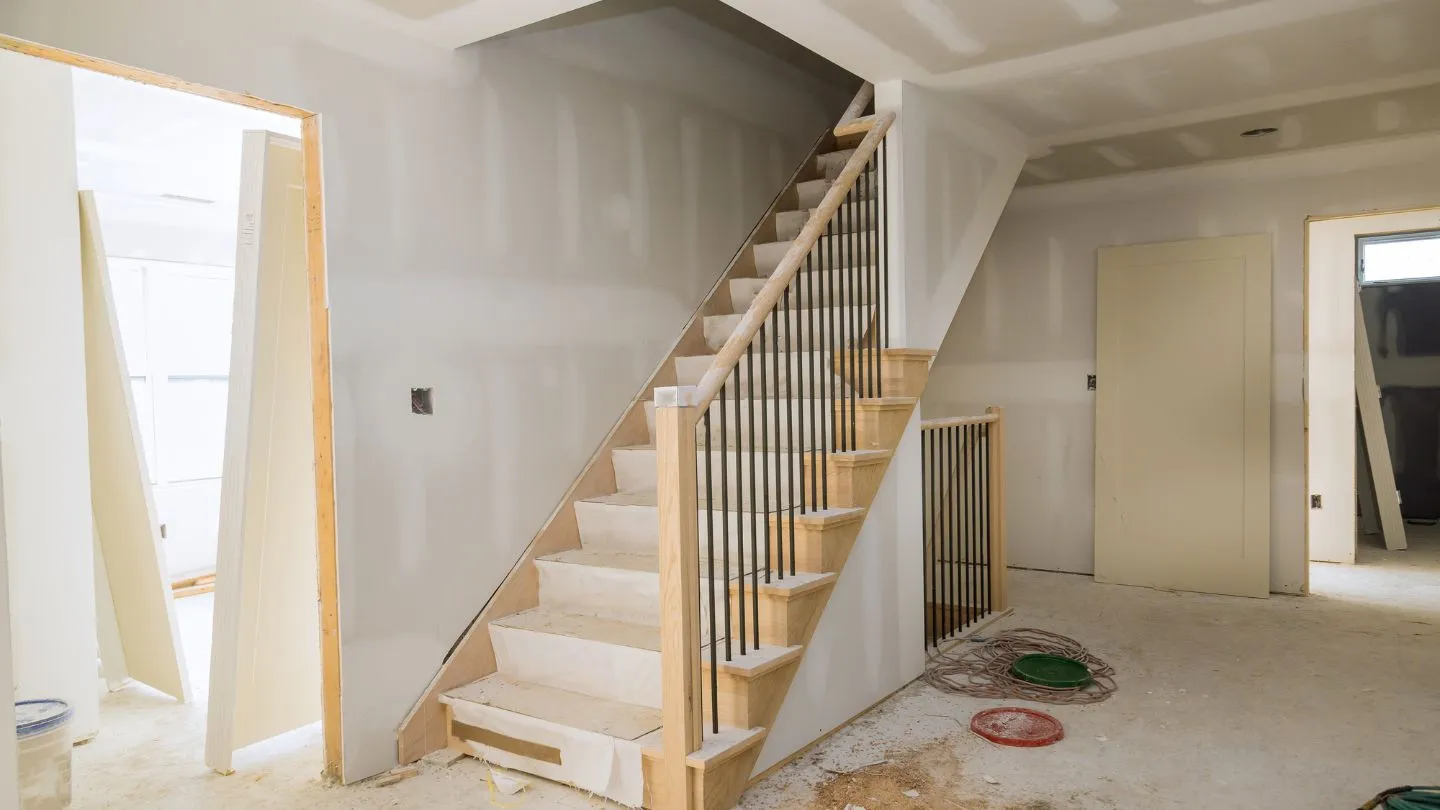
Building a home requires strategic choices that balance strength, aesthetics, and long-term performance. Every decision, from selecting the right foundation to choosing energy-efficient windows, shapes how well your home will stand up to time, weather, and evolving needs. Material selection affects not just durability but also comfort, style, and environmental impact. With so many options available, understanding their advantages and limitations is essential for making cost-effective, future-ready decisions. In this blog, we explore the essential building materials and features that define quality construction and sustainable living.
Key Takeaways
- Selecting appropriate building materials is crucial for ensuring the durability, energy efficiency, and aesthetic appeal of a home.
- Key materials include concrete, steel, brick, and wood for foundations and exterior walls, each offering distinct benefits and considerations.
- Energy efficiency and sustainability can be enhanced through the use of insulated concrete forms, recycled materials, and energy-efficient windows.
The Foundation of Your Home: Key Building Materials
The foundation is the bedrock of any home site, providing the structural support necessary to withstand the test of time. Selecting appropriate foundation form materials ensures stability and longevity.
Here are some reliable materials used for home foundations, each with distinct benefits and considerations.
Concrete
Concrete is a popular choice for foundations due to its affordability and durability. It is an inexpensive option that offers significant strength, making it a staple in modern construction. To enhance its durability, concrete is often reinforced with rebar, which helps it withstand various environmental pressures and structural loads. Monitoring brittle spots in concrete can prevent potential construction issues.
Insulated concrete forms (ICFs) take concrete’s benefits a step further by incorporating steel reinforcements within the foam insulation, providing additional strength and energy efficiency. This method not only enhances the concrete’s durability but also improves the overall energy efficiency of the home, making it a smart choice for foundations in today’s environmentally conscious world.
Wood
Wood offers numerous benefits in construction, such as its ability to lock out moisture and create a warm, inviting atmosphere. Wood is versatile, with varieties ranging from pine to heavy-duty lumber and exotic species, each providing different levels of strength and aesthetic appeal.
Using wood in construction includes risks such as susceptibility to decay, fire, and insect damage. Despite these challenges, wood’s natural beauty and cozy ambiance make it a popular choice among builders.
Read More: Top Tips on How to Choose a Home Builder According to the Experts
Exterior Walls: Protecting Your Home from the Elements
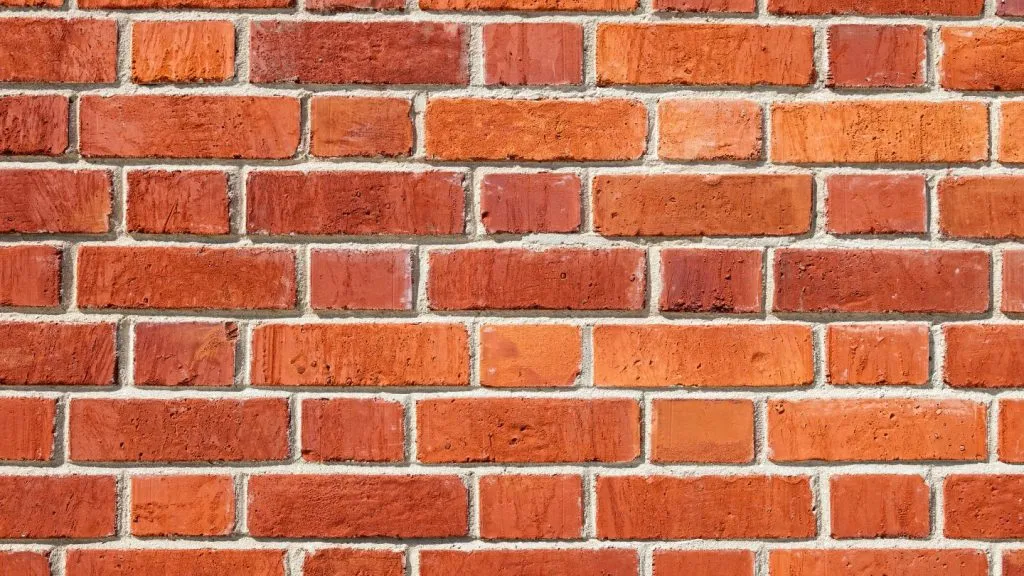
Exterior walls are the first line of defense against the elements, playing a crucial role in maintaining your home’s integrity and comfort. The right materials for exterior walls ensure durability and enhance your home’s aesthetic appeal.
Here are some of the most effective materials for exterior walls.
Brick
Brick is a time-tested building material known for its exceptional longevity and weather protection. Well-maintained bricks can last over a century, offering long-term value for homeowners. Its ability to retain heat and provide insulation makes it an excellent choice for various climates.
While brick provides good weather protection, it can erode and chip over time, requiring regular maintenance to maintain its strength. Despite these minor drawbacks, brick remains a reliable, fire-resistant choice for exterior walls, enhancing a home’s durability and aesthetic appeal.
Stone
Stone is celebrated for its durability, fire resistance, and unique aesthetic appeal. It can withstand extreme temperatures without significant deterioration, making it a robust choice for exterior walls. The natural beauty of stone also adds a distinct character to home designs, appealing to those who appreciate timeless elegance.
The use of stone in construction can be expensive due to quarrying and cutting processes. Despite higher costs, many homeowners find that the long-term benefits and visual appeal of stone justify the investment.
Roofing Materials: Covering All the Bases
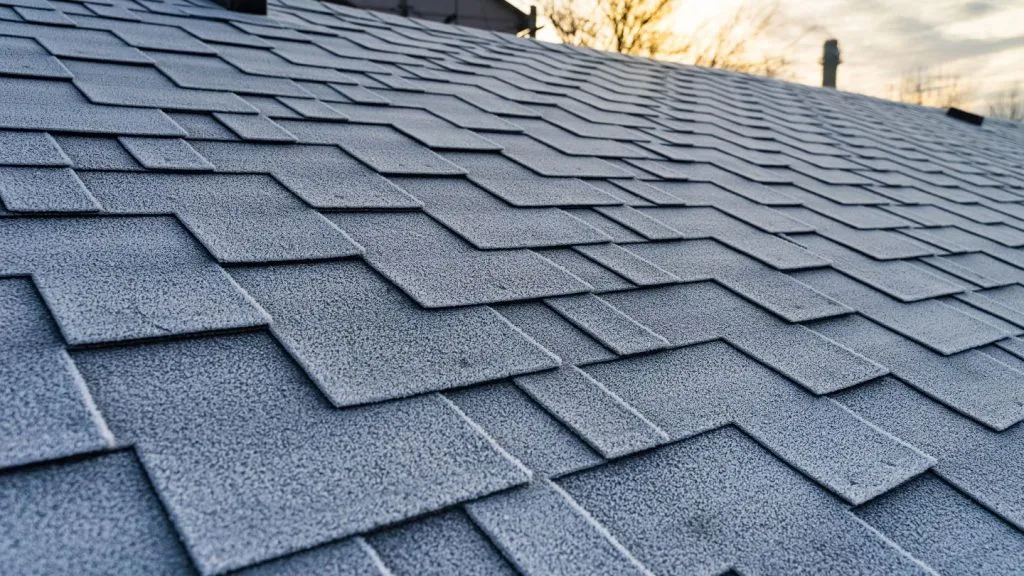
The roof is another critical component of a home, protecting it from environmental elements while enhancing energy efficiency. The right roofing materials significantly impact your home’s durability and comfort.
Some top choices for roofing materials include:
Asphalt Shingles
Asphalt shingles are an affordable and widely accessible roofing solution, with a typical lifespan of 15 to 30 years depending on quality and maintenance. Their cost-effectiveness and ease of installation make them a popular choice among homeowners. The lifespan of asphalt shingles can vary based on climate conditions and maintenance.
Despite a shorter lifespan compared to some materials, asphalt shingles balance affordability and performance, making them practical for many homes.
Metal Roofing
Metal roofing is known for its exceptional durability and fire resistance, often lasting 40 to 70 years with proper maintenance. Its ability to withstand adverse weather conditions and contribute to energy efficiency makes it a valuable investment for homeowners. The initial cost of metal roofing is higher compared to traditional materials like asphalt shingles.
Despite higher upfront costs, metal roofing’s long-term benefits, including durability and energy savings, often make it a worthwhile investment.
Interior Materials: Enhancing Comfort and Style
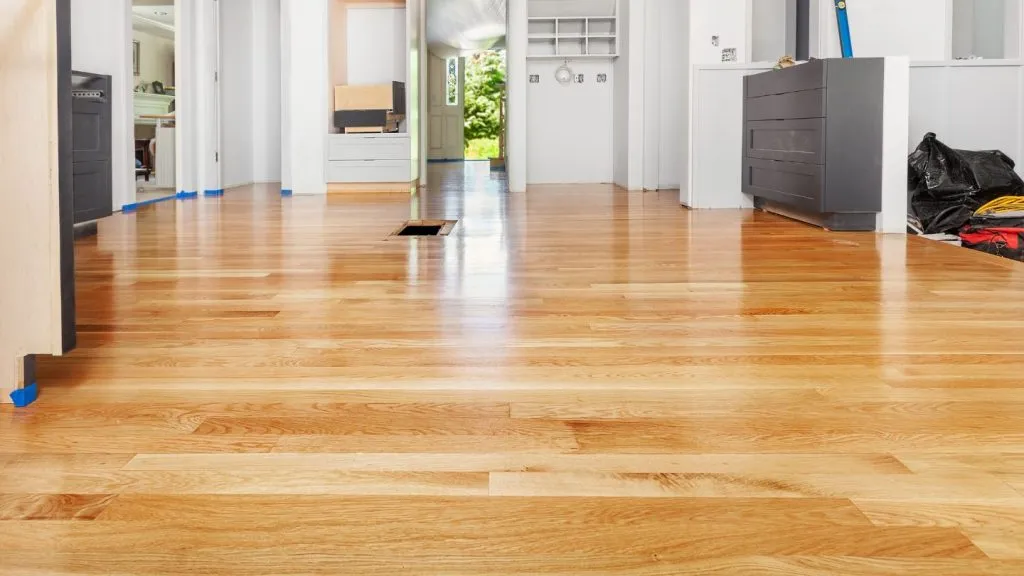
Interior materials significantly impact the comfort and style of a home environment. These materials not only impact the overall atmosphere but also contribute to the functionality and durability of your living spaces.
Here are some top choices for interior materials:
Drywall
Drywall is a cost-effective and efficient material widely used for creating interior walls and ceilings. Its lightweight nature simplifies installation, reducing construction time and labor costs. Additionally, drywall is appreciated for its ability to provide a smooth, paintable surface, making it an excellent choice for various interior design styles.
Despite its benefits, drywall can be susceptible to moisture and impact damage, requiring periodic repairs to maintain its appearance and functionality.
Hardwood Flooring
Hardwood flooring is celebrated for its enduring beauty and variety, making it a popular choice for many homeowners. Renowned for durability and timeless aesthetics, hardwood flooring comes in various species, each offering different colors and grain patterns to suit diverse tastes. Its ability to provide a warm and inviting atmosphere enhances the overall appeal of any home.
Maintaining hardwood floors requires regular cleaning and periodic refinishing to keep them looking their best and extend their lifespan. Despite maintenance requirements, hardwood flooring’s long-term benefits make it a worthwhile investment for a stylish and comfortable living space.
Glass
Incorporating glass into home designs can significantly enhance natural lighting and energy efficiency. Glass elements, such as windows and doors, allow natural light to flow throughout the home, creating a more inviting and modern atmosphere. Additionally, energy-efficient glass can help maintain stable indoor temperatures, reducing heating and cooling costs.
Glass partitions and other design elements can visually expand space, making smaller rooms feel more open and airy. The blend of aesthetic appeal and functional benefits makes glass valuable in modern home design.
Energy Efficiency: Sustainable Building Choices
Energy efficiency is vital in modern home construction, providing environmental benefits and long-term cost savings. Energy-efficient building materials can significantly reduce energy consumption and enhance overall home comfort.
Some top choices for sustainable building materials include:
Energy-Efficient Windows
Energy-efficient windows significantly reduce heat loss, leading to lower energy costs. These windows often feature multiple panes of glass that provide enhanced insulation compared to single-pane options. By reducing heat gain and loss, energy-efficient windows help maintain stable indoor temperatures and improve overall comfort.
Installing energy-efficient windows is a smart investment for enhancing home energy efficiency and effectively reducing long-term energy expenses.
Read More: Essential Tips for First-Time Homebuilders
Choosing the Right Materials for Your Home
Choosing the right building materials involves balancing factors like climate impact, budget constraints, and personal taste. Consider how each material affects the durability, aesthetics, and overall comfort of your home.
Understanding the stages of building your dream home step by step helps homeowners anticipate timelines, coordinate with contractors, and make timely decisions. From initial design to final walkthrough, this approach ensures every construction phase aligns with budget, style, and quality goals for a seamless home-building experience.
Key considerations include:
Evaluating Local Climate
Local climate significantly influences the suitability of building materials. For instance, selecting windows with low U-factors improves thermal resistance in colder climates, while windows with a low solar heat gain coefficient (SHGC) help minimize heat gain in warmer climates.
Regions with high humidity may require mold-resistant materials to prevent deterioration.
Read More: The Advantages of Choosing a Local Home Builder Over a National Builder
Budget Considerations
Budget is crucial when selecting building materials, as it significantly impacts the overall construction cost. Consider the following regarding recycled materials:
- They can often be more cost-effective than new ones, contributing to budget savings.
- Using recycled materials can lower construction costs.
- They help save on waste disposal fees, appealing to budget-conscious homeowners.
Balancing upfront costs and long-term value ensures the chosen materials meet financial and quality expectations.
Aesthetic Preferences
Aesthetic preferences are vital in selecting building materials, as they directly influence the home’s visual appeal and design. Homeowners should align material choices with desired architectural styles for a visually appealing and cohesive design. The selection of materials should reflect personal style, ensuring that they enhance the overall design and appeal of the home.
Choosing materials that complement the home’s architecture while creating a space that is both beautiful and functional.
Final Thoughts
Selecting the right materials is the cornerstone of home construction, shaping everything from structural strength to energy efficiency and style. This blog explores key options for foundations, exterior walls, roofing, and interior finishes while highlighting sustainable choices like insulated concrete forms and energy-efficient windows. By weighing climate, budget, and design preferences, homeowners can create a residence that balances longevity, comfort, and visual appeal.
At Concord Homes, we specialize in home construction in Ocoee, TN, delivering homes that seamlessly integrate durability and aesthetics. Our team focuses on precision craftsmanship and innovative custom home construction solutions, ensuring every project reflects the homeowner’s lifestyle and values while meeting the highest standards of quality and efficiency.
Frequently Asked Questions
What’s the most expensive part of building a house?
The most expensive part of building a house is typically the framing, which involves substantial costs for materials like wood or steel and requires skilled labor. This critical stage accounts for a significant portion of the overall building expenses due to its complexity and precision.
What are the benefits of using concrete for home foundations?
Using concrete for home foundations offers durability and cost-effectiveness, especially when reinforced with rebar, which enhances its strength and longevity. This reliability makes concrete a preferred choice for securely supporting homes.
Why is steel preferred in modern construction projects?
Steel is preferred in modern construction due to its high strength-to-weight ratio, exceptional durability, and ability to expedite installation, making projects more efficient. This combination significantly enhances structural integrity while reducing construction time.