

Choosing between building a custom home and buying an existing one can be challenging. This blog explores the advantages of each option, focusing on costs, customization, and long-term impacts to help you make the best decision.
Key Takeaways
- Building a custom home typically involves higher upfront costs but offers greater control over design, materials, and long-term energy efficiency savings.
- Purchasing an existing home allows for immediate occupancy but may require costly renovations and lacks the personalization achievable with new builds.
- Both options present unique financial risks and rewards, making it essential for buyers to thoroughly assess their personal needs, budget, and long-term goals before deciding.
Comparing the Costs of Custom Homes and Existing Homes
Assessing the costs associated with constructing a custom home compared to purchasing an already established one necessitates reflection on various elements. This includes examining the upfront investment, comparing construction expenses against purchase prices, and considering how these choices will influence finances over time. Typically, acquiring an existing home has a lower immediate cost. Opting for a custom-built residence allows for precise control over material selection and layout, which can ultimately affect total expenses.
To make a well-informed choice, it’s important to look beyond just the initial cost. The ability to tailor design specifics should be weighed alongside possible financial risks like exceeding budgeted amounts during construction, as well as evaluating the caliber of materials chosen for building. Each path comes with its own fiscal implications that must be understood in order to determine what suits your personal situation best.
Long-term Financial Impacts
When deciding whether to build a custom home or purchase an existing one, it’s crucial to weigh the long-term financial implications. Custom homes often feature energy-efficient appliances and construction that can reduce ongoing utility bills as well as maintenance expenses over time, potentially offsetting their higher initial costs.
Conversely, buying an older existing home may bring with it the need for expensive updates or repairs due to aging systems like electrical wiring, plumbing, or structural components. These potential issues not only raise the risk of incurring high maintenance fees, but also add extra costs from the outset after being identified through thorough home inspections.
Thus, carefully considering these lasting financial aspects is essential during the intricate process of choosing between a custom-built residence and acquiring an already-established dwelling.
Customization and Personalization
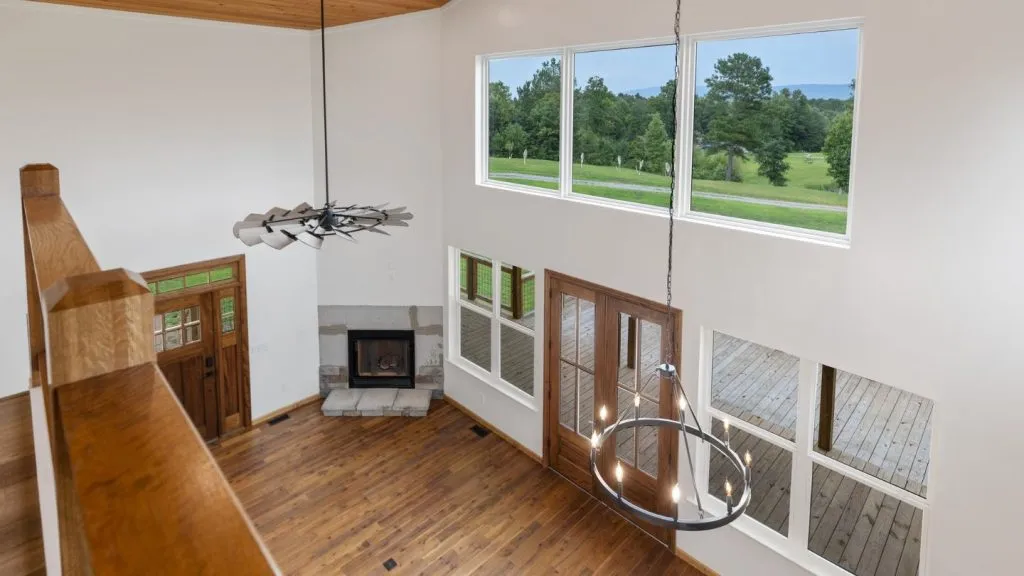
Building a custom home stands out due to its potential for complete customization. In contrast to existing homes, custom homes afford the chance to tailor every element according to your personal style and living requirements. This encompasses choices regarding floor plans, finishing touches, or unique details; you hold the reins throughout the design phase.
When it comes to personalizing an existing home, one may encounter several obstacles. The possibilities for customization are often limited with pre-built houses, and retrofitting them can bring significant renovation expenses that could hinder achieving your precise vision.
We will delve into both the delights of crafting your ideal dream home from scratch and the challenges associated with modifying an already established residence.
Tailoring Your Dream Home
Building a custom home provides unparalleled influence over both the aesthetics and practicality of your dwelling. Collaborating with builders, you have the opportunity to devise a floor plan that not only accommodates your immediate preferences but also foresees and adapts to potential future changes. This customization ensures that your residence is an authentic representation of your personal values and lifestyle.
Opting for superior materials, cutting-edge appliances, and energy-efficient solutions significantly adds to the appeal of custom homes. Every aspect can be customized, ranging from the configuration right down to the final touches, to forge an ideal living space tailored specifically for you. Such meticulous attention during this creative process enables you to realize your unique vision for building a house that resonates with comfort and familiarity as a home.
Read more: How to Personalize Your Custom Home Design
Renovation Challenges in Existing Homes
Undertaking renovations in an already established home can be a formidable task, potentially riddled with unforeseen difficulties. When customization options are restricted, there’s a risk of discontent when the structure or characteristics of the house don’t meet your desires. Executing extensive alterations can incur substantial expenses and demand considerable time.
Uncovering concealed problems amid renovation efforts may exacerbate complexities. The responsibilities, ranging from addressing aged appliances to modernizing electrical systems and implementing new devices, could cumulatively escalate financial burdens.
While certain upgrades might augment the value of the residence, these significant overhauls must be carefully assessed against the advantages associated with constructing your ideal home from its foundations.
Quality and Craftsmanship
When weighing the options of constructing a custom home versus purchasing an existing house, it’s important to consider the level of quality and craftsmanship. Custom homes often boast superior construction due to the incorporation of advanced building methods and high-grade materials, leading to enhanced durability and prolonged contentment with your investment.
On the other hand, many pre-existing houses, especially those that have been around for some time, might not live up to current standards in terms of both quality and safety. Investigating these older properties demands additional effort in order to unearth potential maintenance problems or concealed expenses associated with repairs—making homeowners insurance crucial.
The discussion will explore how contemporary building materials can benefit new constructions while also addressing difficulties when assessing older residential properties.
Modern Building Materials
Custom homes offer the notable benefit of incorporating contemporary building materials that not only bolster the home’s longevity but also its energy efficiency, enabling it to endure over time. Homeowners are presented with the opportunity to choose building materials that boost both the practicality and visual appeal of their living space.
Builders with expertise can weave in cutting-edge concepts and technological advancements as they construct a house, complete with builder warranties. Such measures guarantee adherence to premier quality benchmarks and artisanship during construction, offering homeowners confidence and pride in their investment.
Assessing Existing Homes
Assessing the condition of an existing home can be a complex task, particularly when it involves antiquated components or concealed maintenance requirements. Issues commonly associated with older houses, such as wood rot, lead paint, or obsolete electrical systems, can necessitate expensive updates and significantly affect both the value and safety of the property.
Conducting a comprehensive home inspection is vital for uncovering any underlying issues and accurately evaluating the state of the house. Although some purchasers might find older homes appealing due to their unique character, they must also take into account potential future expenditures related to upkeep and repairs. This crucial step in evaluation aids in ensuring that your decision to buy an existing home is well-informed.
Energy Efficiency and Sustainability
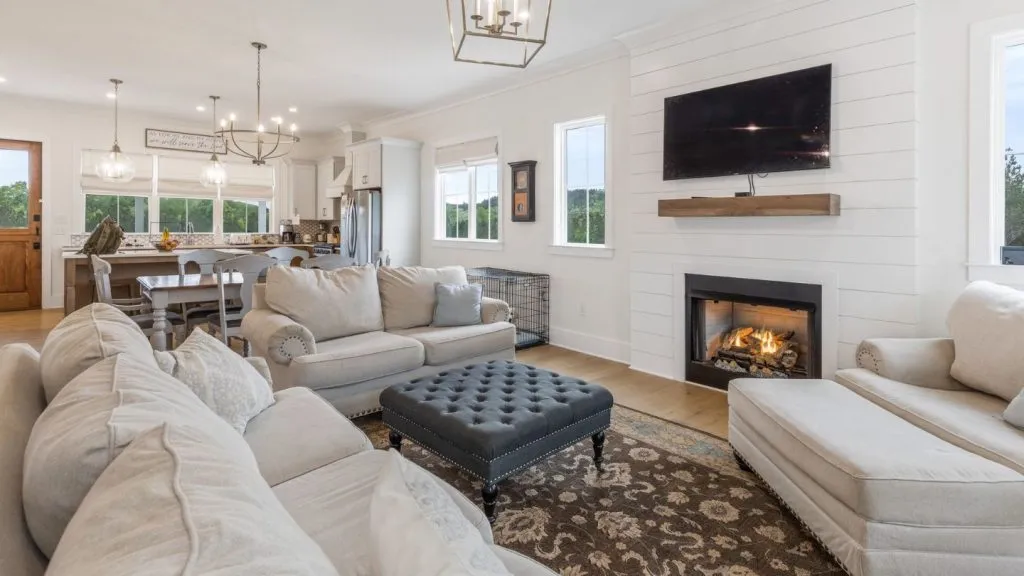
Sustainability and the prudent use of energy are becoming more critical factors for contemporary home purchasers. The construction of custom homes presents an opportunity to integrate state-of-the-art technologies and materials designed for energy efficiency, potentially resulting in diminished utility expenses and a smaller ecological impact. A comparison will be drawn between the energy-efficient features of custom-built residences versus those found in pre-existing dwellings.
Existing homes typically fall short when it comes to conserving energy, frequently requiring extensive improvements to align with current benchmarks for efficiency. Although retrofitting these properties can pose significant difficulties and financial demands, enhancing their operational efficacy and sustainability is often imperative.
Energy Efficient Designs
Contemporary materials of superior quality and cutting-edge insulation methods are employed in custom homes to elevate energy efficiency. This not only bolsters the longevity of the home but also its sustainability credentials through reducing energy usage.
The incorporation of modern design components like passive solar layout and appliances that conserve energy reduces both utility expenses and ecological footprint. Consequently, this fosters a living space that is agreeable while reflecting current environmental considerations.
Read more: Understanding the Role of a Home Construction Company in Custom Home Design
Retrofitting Older Homes
Improving the energy efficiency in an existing home frequently entails comprehensive remodeling efforts. Key measures such as improving insulation, sealing off air leaks, and updating old systems are essential to boost efficacy. These improvements can be costly and require a considerable amount of time.
To achieve contemporary energy standards through renovations presents a formidable task because of the detailed labor involved. Although these enhancements have the potential to considerably lower the carbon footprint of a residence, they necessitate meticulous strategizing and financial commitment. Prospective homeowners should carefully consider these aspects when evaluating an older home for purchase.
Timeline and Move-In Readiness
When choosing between constructing a custom home and purchasing an existing one, the readiness for move-in and the timeframe are essential considerations. Opting to build a custom home may require a lengthy commitment ranging from several months up to years before completion, in contrast with existing homes, which present immediate occupancy. A comparison of timelines will be drawn for both housing options.
Construction of custom homes can be subject to unforeseen setbacks and potential underestimations by contractors, possibly stretching out the expected timeline, even impacting budget plans and delaying move-in dates. On the other hand, most existing homes come prepared for immediate habitation, offering a more expedient solution for individuals seeking quick relocation.
Construction Timeline
Constructing a custom home is a detailed and time-consuming process, often taking 12 to 36 months. Pre-construction activities like land acquisition and design can take several months before building begins.
The construction phase itself involves multiple stages, from site preparation and foundation work to framing and finishing. Each phase can take several months, with the entire process requiring careful coordination and planning to avoid delays in construction projects.
Immediate Availability
Purchasing an existing home offers the significant benefit of prompt accessibility. Homebuyers may anticipate relocating within a span of one to three months based on the duration of closing proceedings and their chosen move-in date. This expedited process is especially attractive for individuals requiring swift relocation or who wish to bypass the protracted timeline associated with constructing a new house.
Opting for a move-in-ready residence also alleviates concerns such as labor scarcities, unforeseen postponements, and the intricate scheduling involved in erecting new construction. These conveniences render buying an existing home an appealing choice for numerous purchasers.
Financing Options

Financing options differ significantly between building a custom home and buying an existing one. Custom home construction typically requires multiple loans for land purchase, construction, and the final mortgage, while traditional mortgages are more straightforward for existing homes. These financing options will be compared.
Interest rates, down payments, and loan terms vary based on market conditions and the type of financing chosen. Homebuyers need to understand these differences to make informed financial decisions regarding the interest rate.
Construction Loans
Construction loans are tailored to fund the creation of new homes and come with higher interest rates and more stringent qualification criteria than traditional mortgages. These types of loans often necessitate a substantial down payment, which lies between 20% and 30%, and they typically last from one year to eighteen months. The release of funds coincides with specific milestones in the project’s development, contingent upon inspections that verify ongoing progress according to plan.
During the period when construction is active, borrowers usually pay only the interest on their loan, easing cash flow concerns until completion of their home. After finishing construction, these loans can transition into conventional mortgages for any remaining balance owed. Although this financing route is more involved compared to securing a mortgage for an already existing residence, it provides essential backing for those looking to create their own custom home from the ground up.
Traditional Mortgages
Securing financing for existing homes through traditional mortgages presents a simpler option. These long-term loans can stretch to as much as 30 years, rendering them attainable and practical for the majority of purchasers. Often, the interest rates on these mortgages are more favorable than those associated with construction loans because lenders face less risk.
By leveraging the purchased property as collateral, buyers using traditional mortgages can distribute their payments across a lengthy timeframe, easing the financial burden of acquiring a home. Obtaining a conventional mortgage tends to be less convoluted and involves fewer steps compared with juggling several loans when constructing a custom home.
Potential Risks and Rewards
Choosing to construct a custom home or purchase an existing one requires careful consideration of the possible advantages and disadvantages. Opting for a custom-built home allows you to design it precisely to your liking, though this could be accompanied by unforeseen expenses and extended timelines. Conversely, buying an existing property might result in unexpected costs related to renovations while also presenting difficulties in adjusting the space to suit your specific tastes.
An in-depth examination of these potential risks and rewards will assist you in grasping the economic impact as well as how each option may affect your way of living. By deliberating over these aspects, you’ll be better equipped to make a decision that not only reflects your objectives for owning a home but also fits within your budgetary constraints.
Unexpected Costs
When weighing the decision to construct a custom home or acquire an existing property, it’s critical to account for unexpected financial demands. In the process of building a bespoke residence, one may encounter unforeseen expenses due to factors such as modifications in design, shortages of labor, or fluctuations in material costs. These surprise charges can stretch your budget and prolong the time needed to complete construction.
Similarly, hidden costs are associated with buying an already-built home. While real estate agents might assist you in negotiating better terms on these homes, additional expenditures can emerge following home inspections that reveal issues like antiquated systems or structural concerns. Such discoveries can inflate the overall cost beyond the initial quoted purchase price of the house. Planning financially for these potential outlays is essential for prudent fiscal management.
Higher Resale Value
Custom homes, with their modern features and energy-efficient construction, tend to attract buyers due to their potential for a higher resale value. When these residences are crafted using superior materials combined with current design trends, they often experience greater appreciation over time, resulting in a more beneficial investment return.
Buyers gravitate towards properties that promise lower maintenance and incorporate the most recent advancements in home technology and energy efficiency. This preference boosts demand as well as the potential resale price of these houses. Consequently, despite custom homes having higher initial building expenses, the prospect of increased resale value can validate these upfront costs.
Read more: The Impact of Custom Homes on Property Value and Resale Potential: A Smart Investment Choice
Expert Guidance and Support
Exploring the intricacies involved in constructing a custom home or purchasing an already established property can pose quite a challenge without expert assistance. Enlisting seasoned experts such as home builders for new construction or real estate agents for existing homes helps simplify the process, reduce potential risks, and provide a more seamless transition towards owning your dream home.
Working with Home Builders
Engaging a professional builder is crucial for the creation of your custom home. Seasoned builders oversee multiple workgroups, handle scheduling effectively, and guarantee that only high-quality materials and workmanship are employed during building. This expert supervision aids in preventing expensive errors and postponements while offering assurance and a favorable result.
Professionals specialize in crafting tailor-made homes and renovation services, applying their proficiency to construct residences that mirror your way of life and personal ideals. Collaborating intimately with builders ensures that the construction of your dream home adheres to stringent standards, maintaining meticulousness and excellence from inception to completion.
Read more: The Advantages of Choosing a Local Home Builder Over a National Builder
Real Estate Agents for Existing Homes
Real estate agents play a crucial role in aiding individuals who are interested in buying existing homes. Their expertise is instrumental throughout the entire process of purchasing, as they help to unravel the intricacies of the market and assist buyers in securing optimal transactions. With an agent’s guidance, the path to finding and acquiring an ideal home becomes more straightforward and expedited.
These agents provide indispensable assistance when it comes to negotiating costs, managing documentation, and overseeing all legal and monetary requirements. Such professional support is vital for making knowledgeable choices and ensuring a triumphant experience in home buying.
Final Thoughts on Your Dream Home Journey
Building a custom home offers unparalleled benefits, such as tailoring every detail to suit your lifestyle, ensuring energy efficiency, and creating a space that reflects your unique vision. While buying an existing home may seem convenient, it often comes with compromises like outdated layouts or costly renovations. Choosing to build a custom home means investing in a future that aligns perfectly with your needs, preferences, and long-term goals.
At Concord Homes, we bring this vision to life. As trusted custom home builders in Bradley County, Athens, Cleveland, Ooltewah, Ocoee, TN, and the surrounding areas, we prioritize expert craftsmanship, open communication, and a personalized approach to every project. If you’re dreaming of a traditional home, we ensure your ideas are captured and transformed into a beautifully finished home. From concept to completion, we offer a seamless and rewarding experience every step of the way. Reach out to us today and let us help you transform your dream home into a reality!
Frequently Asked Questions
What are the main initial costs when building a custom home?
The main initial costs when building a custom home are the purchase of land, labor, materials, permits, and architectural plans. Ensuring you account for these expenses will prepare you for the overall investment.
How long does it typically take to build a custom home?
Building a custom home typically takes between 12 and 36 months, influenced by the complexity of the design and local permitting processes.
Why do custom homes have higher resale values?
Custom homes tend to have higher resale values because they incorporate modern features, energy efficiency, and superior materials, making them more appealing to potential buyers.
What financing options are available for building a custom home?
Construction loans are a primary financing option for building a custom home, typically involving multiple transactions for land purchase, construction, and eventual conversion into a traditional mortgage. This structured approach can effectively meet your financing needs during the home-building process.
What are the benefits of hiring a professional builder for a custom home project?
Employing an expert builder for your custom home endeavor guarantees exceptional skill in construction and effective control of schedules and materials, which markedly diminishes the likelihood of expensive errors. This financial commitment consequently results in a superior-quality result that is customized to meet your unique requirements.