

A home should be a true reflection of the people living in it, blending comfort, style, and functionality in every detail. From the overall layout to the smallest finishing touches, each element plays a role in shaping the atmosphere and experience of the space. Thoughtful planning ensures your home not only meets practical needs but also expresses your personality. By combining design creativity with functional considerations, you can create a space that feels uniquely yours. In this blog, we’ll explore ways to make your home design distinctly personal and aligned with your vision.
Key Takeaways
- Visualizing your dream home is essential for a customized design that reflects your personality and enhances functionality throughout the space.
- Establishing clear priorities and a realistic budget facilitates effective decision-making, ensuring the design process remains manageable and focused on critical elements.
- Incorporating sustainable solutions and technology into your custom home design not only improves energy efficiency but also accommodates future lifestyle changes and environmental considerations.
Visualize Your Dream Home
The first step in creating a custom home that truly reflects your dreams is to visualize every aspect of it. This involves more than just choosing a style or color scheme; it’s about imagining how you will live in and interact with each space. Having a clear vision of the size, style, and layout of your home will make the subsequent steps in the design process smoother and more efficient. Your custom home should serve as a haven, a place where your personality and lifestyle are evident in every detail.
One of the greatest advantages of building a custom home is the ability to personalize every aspect of the design and décor. This means considering the layout to enhance the flow and function of your home, facilitating daily life. For instance, maximizing your home’s potential could involve taking advantage of the lot’s natural features, such as incorporating views or natural elements into the design.
Additionally, natural lighting is crucial for creating a welcoming atmosphere and improving your home’s efficiency. Thoughtful placement of windows, skylights, and doors can ensure ample natural light throughout your home, enhancing both its aesthetic appeal and energy efficiency.
A clear vision of your dream home lays a strong foundation for the entire design process. This vision will guide your decisions on everything from the layout and architectural details to the interior design elements, ensuring that the final product is a perfect reflection of your dreams.
Defining Your Personal Style
Defining your personal style is a critical step in creating a home that feels authentically yours. Personalization in custom homes involves incorporating design elements and features that match your lifestyle and preferences. Identifying these preferences is crucial as they shape productivity, emotions, and overall well-being within your living space. Key elements that play a significant role in expressing your personal expression through home design include:
- Furniture
- Textures
- Colors
- Décor
Attention to detail is essential for achieving a cohesive and personalized look. Textures can create a rich and layered appearance. This adds depth and interest to your personal space. Creating balance and harmony among different elements ensures that your home design feels intentional and thoughtfully curated.
Ultimately, the style of your house should reflect your personal aesthetic and preferences, making it a true sanctuary that resonates with your unique style.
Importance of Functional Layouts
A functional layout is the backbone of any successful custom home design. A well-planned layout impacts daily life and overall comfort, making it a central aspect of personalized home design. Key considerations for functionality include:
- Ease of navigation
- Flow of traffic
- Privacy
- Noise levels
A layout that ensures ease of movement and privacy significantly enhances daily experiences, contributing to a more enjoyable living environment and floor plans.
Identifying must-have features can greatly enhance the functionality of your home, making it more adaptable to your lifestyle. The overall layout influences not just functionality but also the emotional atmosphere of the home, affecting well-being, social interaction, and design ideas.
Prioritizing a functional layout ensures your home is both beautiful and practical, enhancing daily comfort.
Setting Priorities and Budgeting
Setting priorities and establishing a budget are essential steps in the custom home design process:
- Prioritizing crucial elements ensures that your needs are met effectively.
- A detailed budget helps manage costs like land, materials, and labor, preventing overspending.
- Establishing a budget early on aids in making informed choices about design features.
- It helps maintain financial control throughout the project.
Setting clear priorities and a realistic budget allows focus on the most important aspects of your home. This approach allows you to allocate resources efficiently and avoid unnecessary expenses, ensuring a smooth and financially manageable design process while saving more money.
Read more: Benefits of Building a Custom Home vs Buying an Existing One
Prioritizing Key Features
When designing a custom home, it is crucial to clearly outline the essential features that align with your lifestyle and avoid unnecessary costs. Strategic landscaping can improve the functionality of outdoor spaces by:
- Defining areas for different activities.
Using native plants in landscaping can:
- Enhance biodiversity
- Reduce maintenance costs, making it a practical and sustainable choice.
Creating a custom home involves designing it with adaptability for future lifestyle changes. By prioritizing key features that enhance both current and future usability, you ensure that your new home remains functional and relevant for years to come.
Budget Management Tips
Effective budget management is essential for any custom home project. When setting a budget, include all costs such as:
- Land purchase
- Architecture
- Permits
- Materials
- Labor
Choosing materials that are durable, sustainable, and suited to the local climate can also help manage costs while enhancing the home’s aesthetic appeal. Open communication with builders throughout the design process prevents misunderstandings and keeps the project on track, especially when using high-end materials.
Incorporating energy-efficient systems, such as solar panels and high-performance insulation, can significantly lower energy costs and improve the home’s efficiency. Identifying practical needs and focusing on functional spaces that suit your lifestyle ensures that you make the most of your budget while creating a comfortable and sustainable home to optimize space.
Customizing Interior Design Elements
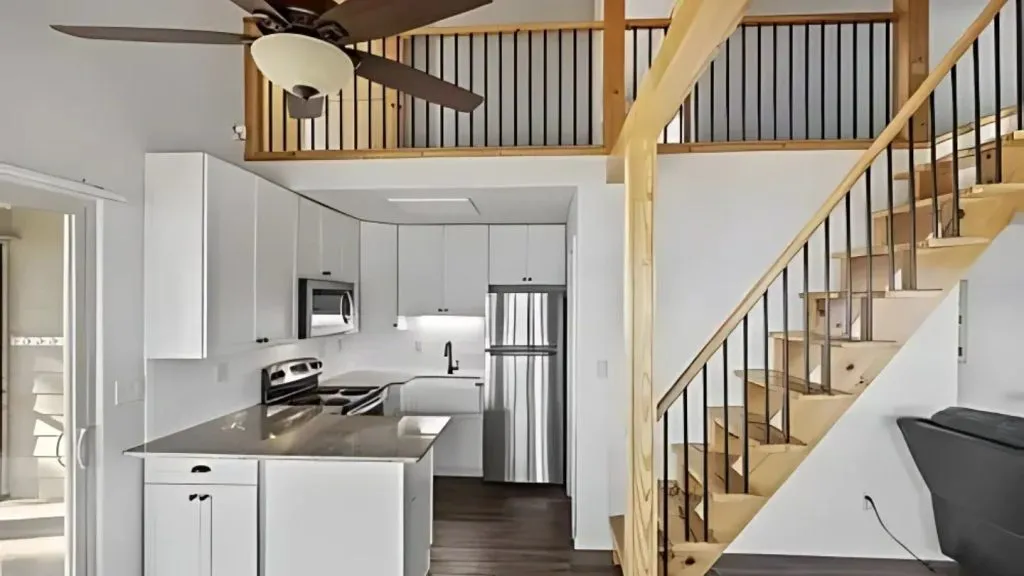
Personalizing interior spaces is one of the most exciting aspects of designing a custom home. You can tailor each room to specific functions, such as a reading nook, home office, or breakfast alcove. An open floor plan layout can foster an inviting atmosphere for social interactions, while creating cozy corners enhances feelings of tranquility within the home. Sensory engagement in design, such as incorporating scents and textures, can also enrich the living experience.
Unique architectural details and a thoughtful design process help personalize a home, making it a true reflection of your personality and lifestyle. By balancing colors, textures, furniture, and personal objects, you create a living space that feels uniquely yours and is one of a kind.
Selecting Paint Colors and Textures
Choosing the right paint colors and textures is crucial for creating a personalized home design. Colors should resonate with your personality and align with the functions of each room. Warm colors can significantly enhance the comfort level in a home environment, while earthy tones create warmth and coziness.
Emotional architecture focuses on designing spaces that elicit positive feelings, making attention to detail in color and texture choices essential for overall aesthetic appeal, creating a space that feels that enhances the overall experience.
Incorporating Custom Cabinetry and Furniture
Incorporating custom cabinetry and furniture is key to maximizing space and reflecting personal style in your custom home. Opt for bespoke furniture pieces like handcrafted dining tables, bed frames, or custom sofas and chairs to create a unique living space. Custom cabinetry can be designed to utilize every inch of space effectively, providing ample customized storage solutions and enhancing functionality.
Transformable furniture adds flexibility to your home design, allowing for easy reconfiguration as needed. Built-ins can blend seamlessly with the architecture, enhancing the aesthetic appeal and functionality of living areas. By starting with furniture design, you ensure that your home layout is both practical and visually appealing.
Adding Personal Touches with Décor
Adding personal touches with décor is essential for making your custom home feel uniquely yours. Incorporating personal items such as:
- Iconic design pieces
- Vintage furniture
- Travel mementos can create a strong emotional connection to your living space.
Unique artwork and décor items not only add personality but also serve as conversation starters in your home.
Giving your home a name can infuse it with a sense of identity and warmth, making it feel more personal. After moving in, allow space for evolution and continue to add personal touches that reflect your changing tastes.
Embracing Technology for a Smart Home

Embracing smart home technology is a modern way to enhance the functionality and efficiency of your custom home. Installing customized automation systems and investing in smart appliances can significantly improve your home’s efficiency. Key features of smart home technology include:
- Voice-activated lighting
- Temperature control
- Automated window treatments
- Advanced security systems
These features work together to create a seamless and convenient living environment that caters to your preferences.
Smart home appliances offer personalized settings that streamline daily tasks and enhance comfort. By integrating smart home features into your custom home design, you create a modern living space that is both efficient and tailored to your needs.
Smart Lighting and Temperature Control
Smart lighting and temperature control systems are essential components for enhancing home comfort and efficiency. These systems can monitor and modify room climates based on occupancy and activity levels, ensuring optimal comfort at all times.
Implementing smart temperature control can lead to significant energy savings by adjusting heating and cooling based on real-time data. Integrating smart lighting and temperature control into your custom home design ensures a modern and efficient living environment.
Advanced Security Systems
Advanced security systems provide peace of mind by protecting your home and loved ones from potential threats. Modern security systems typically include features such as surveillance cameras, motion detectors, alarm systems, and automated alerts. Some systems offer additional features like remote access monitoring and smart locks, enhancing convenience and security.
These security systems can be seamlessly integrated with smart home technologies to create a cohesive and responsive environment.
Enhancing Outdoor Living Spaces
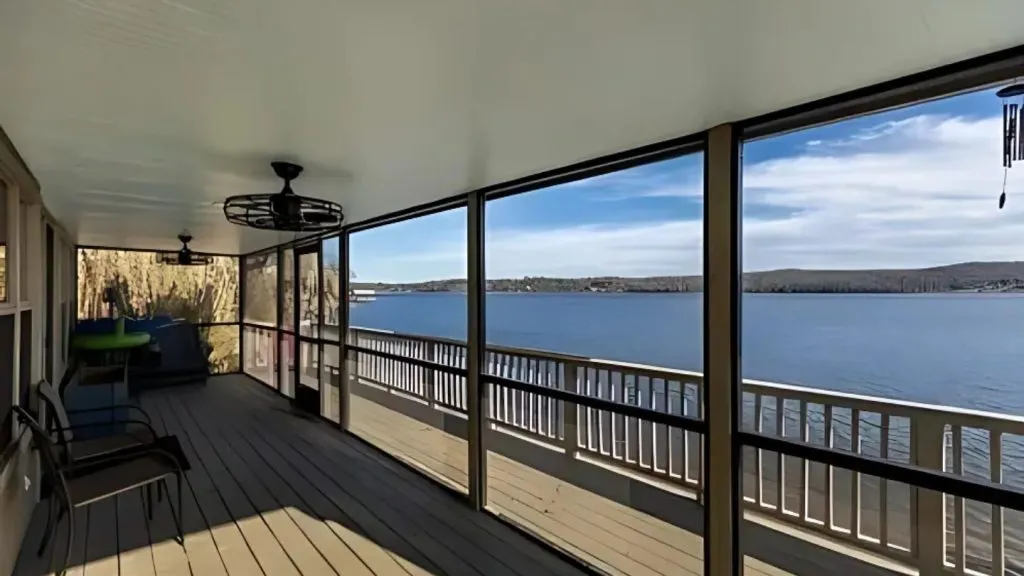
Enhancing outdoor living spaces is a crucial aspect of personalized home design. Examples of personalized outdoor features include cozy patios, fire pits, garden retreats, and outdoor kitchens. Luxury outdoor spaces can include stunning backyard designs that reflect your personal style and enhance your lifestyle experience.
Creating inviting outdoor open spaces allows you to extend your living area and enjoy a seamless transition between indoor and outdoor living.
Designing Outdoor Kitchens and Fire Pits
Designing outdoor kitchens and a fire pit can significantly elevate your outdoor living spaces. Incorporating an outdoor kitchen with a grill, prep station, and mini fridge can transform your outdoor area into a functional and enjoyable space for cooking and entertaining. Fire pits, on the other hand, can create a cozy atmosphere, allowing you to extend the usability of your outdoor spaces into cooler seasons. These features not only enhance the functionality of your outdoor space but also add a touch of luxury to your custom home design.
Collaborating with custom home builders ensures these elements are seamlessly integrated into your overall home design. Thoughtful planning and attention to detail in the design of outdoor kitchens and fire pits can create inviting spaces that reflect your lifestyle and personal preferences.
Landscaping for Aesthetic Appeal
Landscaping plays a crucial role in enhancing the aesthetic appeal and functionality of outdoor spaces. Personalized gardens can reflect your aesthetic preferences and showcase your environmental values. Well-designed landscaping not only beautifies your space but also provides a sense of tranquility, creating a harmonious balance between beauty and functionality.
Effective landscaping involves considering the overall layout and incorporating design elements that support local biodiversity and minimize water usage. By investing in thoughtful landscaping, you can create outdoor living areas that are both visually appealing and environmentally sustainable.
Collaborating with Professionals
Collaborating with professionals is essential for the successful realization of your custom home design. Choosing the right builder and architect is paramount, as they will provide valuable insights and expert guidance throughout the design and construction process. Working with an experienced architect helps translate your vision of a dream home into a tangible design, ensuring that all aspects of the project align with your goals and budget.
Successful home building involves teamwork among the client, builder, and architect. Finding a design professional who understands your vision helps avoid potential conflicts and scheduling issues, ensuring a smooth building process. It is essential to work closely with all parties involved.
Finding the Right Custom Home Builder
Finding the right custom home builder is a critical step in the home design process. Selecting both a builder and an architect early on helps maintain alignment between design aspirations and budget constraints.
Custom home builders play a significant role in bringing your vision to life, ensuring that the construction process is seamless and meets your expectations. By working closely with your builder, you can create a home that is tailored to your needs and preferences, just like production builders do.
Open Communication and Flexibility
Open communication and flexibility are key to a successful custom home design and construction process. The process can be overwhelming. It can also cause confusion, leading to anxieties and uncertainties. It’s important to address any red flags with your designer and be willing to compromise on some features during construction.
Flexibility is crucial due to potential supply chain issues and cost increases, which may require design adjustments. Maintaining open communication and flexibility ensures your ideas and preferences are prioritized throughout the project, even in unforeseen circumstances.
Read more: How to Avoid Construction Project Delays?
Planning for Future Needs
Planning for future needs is an important consideration in custom home design. When planning your home, think about future accommodations for family changes or work needs. Designing to accommodate changing needs and expanding families is essential for future-proofing your home. Extra rooms can serve multiple purposes, such as a home office or nursery, providing future flexibility.
Accommodating Lifestyle Changes
Accommodating lifestyle changes in your home design is crucial for long-term functionality. Common must-have features include flexible spaces that can adapt to various uses, enhancing the home’s functionality. Incorporating multifunctional rooms allows a home to evolve with changing family dynamics, providing long-term value and preventing costly renovations.
Creating multi-functional rooms ensures that your home remains adaptable, allowing spaces to change roles as family needs evolve. Planning for aging in place with features like wide doorways and non-slip flooring ensures safety and accessibility in the future.
Sustainable and Energy-Efficient Solutions
Incorporating sustainable and energy-efficient solutions in your custom home design provides numerous benefits. Energy-efficient systems reduce utility bills and minimize environmental impact, contributing to overall comfort and livability. Consider integrating solar panels, energy-efficient appliances, and high-performance HVAC systems to enhance energy savings.
Utilizing sustainable materials, such as reclaimed wood and low-VOC paints, supports environmental preservation. Combining energy-efficient systems with sustainable practices results in a healthier living environment and reduced carbon footprint. Implementing these solutions creates a home that is both eco-friendly and cost-effective.
Bringing Your Vision to Life
Personalizing your home is about more than choosing colors or finishes—it’s about creating a living environment that reflects your personality, lifestyle, and future goals. From functional layouts to unique design details, every choice contributes to a home that feels authentic, comfortable, and truly yours. Taking the time to thoughtfully plan and customize ensures your space remains both beautiful and practical for years to come.
At Concord Homes, we specialize in turning ideas into reality, guiding you through every stage of the process with expertise and attention to detail. As a trusted home construction company in Ooltewah, Cleveland, Bradley County, Athens, Ocoee, TN, and the surrounding areas, we help you design and build a space that’s as functional as it is inspiring. Contact us today to start building the home of your dreams!
Frequently Asked Questions
Why is it important to have a clear vision before starting the custom home design process?
A clear vision is crucial as it streamlines the custom home design process, ensuring efficiency and alignment with your personality and lifestyle in the final product. This foundational clarity ultimately leads to a more satisfying and tailored outcome.
How can I ensure that my home design accommodates future needs?
To ensure your home design accommodates future needs, focus on creating flexible spaces and plan for potential family changes. Additionally, allocate a budget for unexpected expenses to maintain functionality and adaptability over time.
What are some key features to prioritize in a custom home design?
Prioritizing functional layouts, energy-efficient systems, and adaptable spaces is essential in a custom home design, as these elements significantly enhance both functionality and sustainability. Focus on how these features align with your lifestyle for optimal satisfaction.
How can I incorporate smart home technology into my custom home design?
Incorporating smart home technology into your custom home design can be achieved by integrating tailored automation systems, smart lighting, temperature controls, and advanced security systems. This approach not only enhances functionality but also improves efficiency and safety.
What role do custom cabinetry and furniture play in home design?
Custom cabinetry and furniture play a crucial role in maximizing space, enhancing functionality, and reflecting personal style in home design. They not only offer ample storage but also significantly contribute to the aesthetic appeal of your home.