
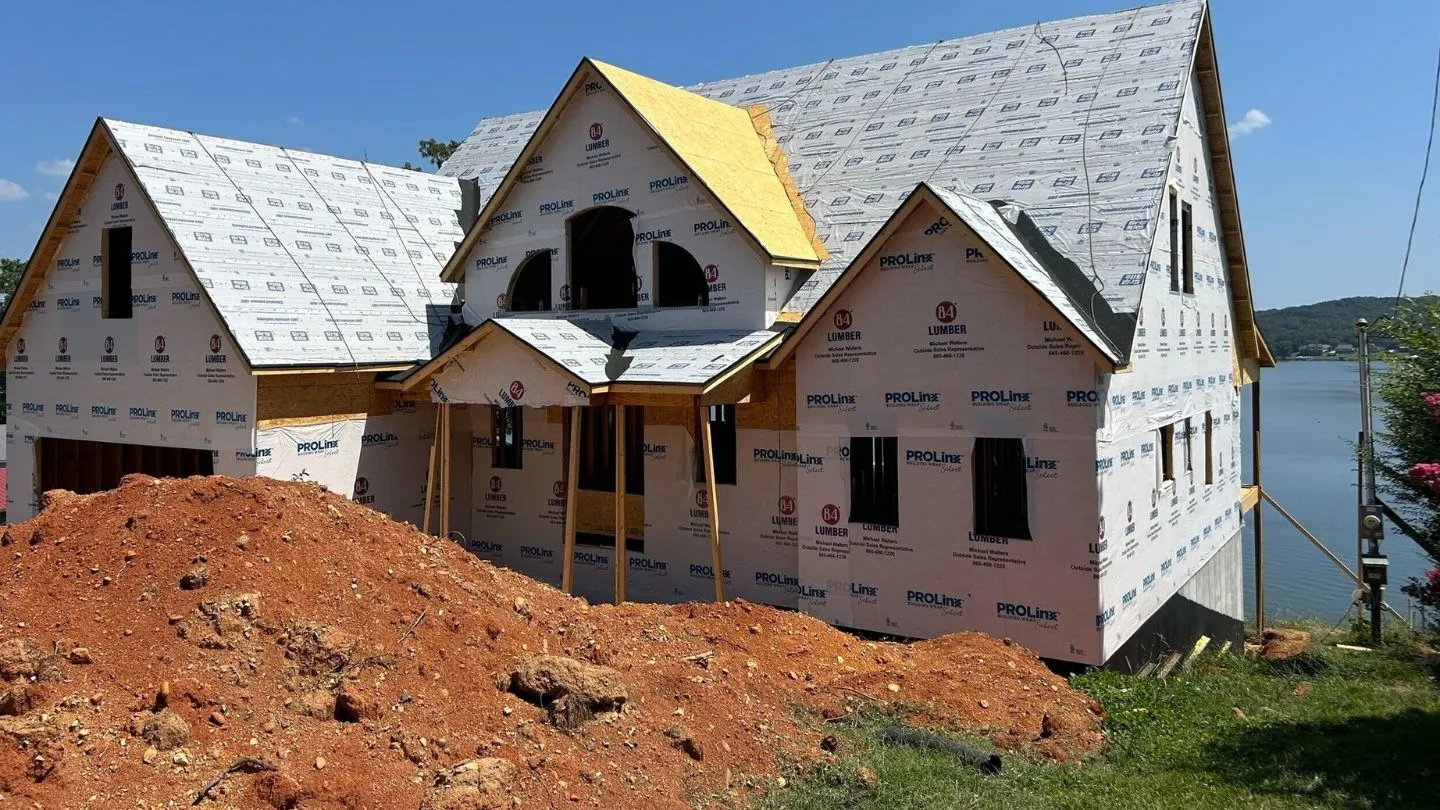
Building a custom home is a major investment that demands careful planning and the right team. Selecting the ideal builder sets the tone for the entire project, influencing quality, budget, and timeline. This blog explains how to choose the right home builder for your custom home, outlining key steps such as researching local professionals, evaluating experience, and confirming licenses and insurance. By following these insights, you can avoid common pitfalls and ensure a seamless construction process. With a trusted builder, your vision can be transformed into a home that perfectly reflects your lifestyle and long-term goals.
Key Takeaways
- Research local builders through associations and personal recommendations to ensure credibility and reliability.
- Evaluate a builder’s experience, reputation, and financial stability by reviewing past projects and customer feedback.
- Understand the construction process, payment schedules, and post-construction warranties to avoid costly mistakes and ensure satisfaction.
Researching Local Home Builders
Finding a reputable home builder is the first step towards your dream home. Local builders’ associations can be a valuable resource, offering names of reputable builders and remodelers in your area. When planning a custom build, understanding the advantages of choosing a local home builder over a national builder can make a significant difference.
Don’t overlook the power of personal recommendations. I strongly recommend asking friends, family, and coworkers if they have any experience with local builders. Word-of-mouth referrals often come with valuable insights that you won’t find in online reviews.
Compile a list of potential home builders through your local home builders’ association. Ensure these builders have good standing and a clean complaint history by checking with the Better Business Bureau. This foundational research will put you on track to finding the right builder for your custom home.
Evaluating Builder’s Experience and Reputation
A successful custom home building project hinges on experience. Seek a seasoned professional familiar with local building codes and practices to ensure your new home is compliant and built to high standards with the right home builder. A reputable custom home builder can make all the difference for a prospective buyer. It’s equally important to prepare the essential questions to ask a builder when building a home.
Longevity in the business is another strong indicator of a reputable builder. A stable business typically takes three to five years to establish a solid financial credibility within a reasonable time frame. Verify that the builder has a permanent business location and is in good standing with local banks to assess their financial stability.
But experience and stability aren’t enough. Consider the following when evaluating a builder:
- Look at the builder’s reputation through recommendations from previous clients and online reviews.
- Use these insights to assess the builder’s reliability, quality of work, and customer service.
- Choose a builder who integrates best practices, clear contracts, and provides warranties, as this indicates a reputable choice.
Additionally, you can compare builders to ensure you make the best decision.
Checking Builder Licensing and Insurance
Verify the builder’s proper licensing and insurance before proceeding by:
- Obtaining proof of a valid license.
- Confirming with the relevant state authority that the license is active and complaint-free.
- Ensuring builders hold specific licenses for the work they perform according to state regulations.
Ensure builders have adequate workers’ compensation and general liability insurance and appropriate insurance to protect against construction accidents and third-party claims. For added peace of mind, request a Certificate of Insurance (COI) and verify the details directly with the insurance provider.
Professional builders often have clear contracts and insurance, protecting both their business and their clients. Most builders prioritize these practices to ensure quality service.
Reviewing Previous Projects and Model Homes

Assessing a builder’s work starts with evaluating their completed and ongoing projects. Look for signs of quality craftsmanship, such as well-finished details and overall construction execution.
The quality of materials used influences your home’s durability and energy efficiency. Check tile work for even grout lines and secure adhesion, especially in bathrooms. Inspect the foundation and structural integrity to ensure there are no serious underlying problems.
A clean and organized construction site often indicates the builder’s commitment to quality and professionalism. Code inspectors ask questions about the work’s quality, craftsmanship, or any potential red flags during inspections.
Understanding the Construction Process and Timeline

Understanding the construction process and timeline sets clear expectations. A reliable builder should explain the entire process, including:
- Site preparation
- Foundation work
- Framing
- Final inspections.
Finally, taking time to review the top tips on how to choose a home builder according to the experts can help you evaluate a builder’s reputation, financial stability, and overall experience. Builders typically follow a structured approach and should provide a detailed project timeline outlining each construction phase in the building process. This helps you understand what to expect and allows you to track progress.
Transparent communication about potential setbacks, such as weather conditions or supply chain issues, is vital. A good builder will keep you informed and adjust the timeline accordingly. Insights from past clients can reveal how effectively builders handle unexpected challenges, which can serve as a red flag.
Comparing Cost Estimates and Payment Schedules
Comparing cost estimates and understanding payment schedules helps avoid costly mistakes. Contracts generally stipulate payments as progress payments, reflecting the completion of certain project milestones. It is important to pay close attention to these details.
Clear payment schedules ensure timely compensation for contractors, allowing for better cash flow management and preventing financial mismanagement. Payment schedules may vary, including fixed intervals or being tied to completed tasks, depending on the project’s contract.
Understanding retainage, a portion of payment withheld until project completion, is also important as it can impact a contractor’s cash flow. Comparing cost estimates and payment schedules ensures your budget aligns with the project’s financial demands.
Assessing Customer Service and Communication
Effective communication and customer service are the backbone of a smooth construction experience. A strong reputation is built on consistent client satisfaction and clear communication. Builders should provide regular updates and be transparent about project timelines and budgets.
Utilizing technology, like project management tools, can enhance communication and keep clients engaged. Engaging with former clients helps prospective homeowners assess builders’ communication styles and project manager effectiveness. Previous customers often highlight builders’ responsiveness to inquiries as a key factor in project satisfaction.
Celebrating project milestones keeps clients motivated and reinforces a positive builder-client relationship.
Reviewing Warranties and After-Sales Service
Warranties and after-sales service are crucial for long-term customer satisfaction. A warranty assures that any potential issues after construction will be addressed, including any warranted problems. Many administered warranties provide mediation and arbitration for disputes, helping resolve issues without going to court. Arbitration is generally more affordable, though costs can still reach several thousand dollars.
Clients appreciate builders who provide post-construction follow-up, ensuring long-term satisfaction and addressing any post-completion issues. This commitment reflects a builder’s dedication to their clients’ happiness.
Exploring Design Flexibility and Customization Options
Design flexibility and customization options make a custom home truly yours. Clients shape their home’s character by deciding on materials and unique yet helpful perspectives on unique touches.
Incorporating multifunctional rooms allows for adaptability, enabling homeowners to transform spaces as their needs evolve. Flexible spaces enhance personalization, accommodating lifestyle changes over time.
Designing with flexibility helps future-proof a home, ensuring it remains functional as personal or professional needs change. This level of customization makes building a custom home a major life decision, but highly rewarding.
Read More: Understanding the Role of a Home Construction Company in Custom Home Design
Seeking Feedback from Previous Customers
Feedback from previous customers is invaluable when choosing a home builder. It gauges the builder’s experience, quality of work, affordability, and customer service. A reliable builder should be willing to provide references. When contacting previous clients, ask about:
- Project follow-through
- Expectations
- Features
- Budget
- Timing
- If they would hire the builder again.
Reading testimonials provides insight into a builder’s professionalism, responsiveness, and project completion experience. This feedback helps prospective home buyers make a well-informed decision.
Final Thoughts
Selecting the right builder for a custom home demands thorough research and precise evaluation. From checking licenses and insurance to reviewing past projects, understanding timelines, and assessing customer service, every step ensures that your investment is secure and your vision is achieved. Careful planning and due diligence lead to a seamless and rewarding home-building journey.
Concord Homes, recognized among the trusted custom home builders in Cleveland, TN, delivers quality craftsmanship and tailored design solutions that reflect your lifestyle and long-term goals. Our expertise and commitment to excellence make us a reliable choice for turning your dream home into reality.
Frequently Asked Questions
Why is it important to check a builder’s complaint history?
It’s crucial to check a builder’s complaint history because it reveals their reputation and reliability, ensuring you make an informed choice for your project. Don’t compromise on quality; protect your investment!
What types of insurance should a builder have?
It’s essential for builders to have general liability insurance and workers’ compensation insurance for protection against accidents and third-party claims. These insurances not only safeguard your business but also provide peace of mind, allowing you to focus on your projects with confidence.
How can I verify a builder’s license?
You can easily verify a builder’s license by contacting the relevant state authority to ensure it’s active and has no complaints. Take this simple step to protect your investment!
What should I look for when inspecting previous projects and model homes?
When inspecting previous projects and model homes, focus on quality craftsmanship, durable materials, and a well-organized construction site to ensure a solid investment. These elements reflect both attention to detail and the overall integrity of the build.
How can I ensure effective communication with my builder?
To ensure effective communication with your builder, choose one who offers regular updates and is transparent about costs and timelines. This proactive approach will foster a positive working relationship and keep your project on track!