

Construction project delays can be costly and damaging. This blog provides practical strategies on how to avoid construction project delays. You’ll learn about effective planning, communication, resource management, and risk mitigation techniques to keep your projects on track and within budget.
Key Takeaways
- Construction project delays average around 69 days and can lead to significant financial implications and stakeholder dissatisfaction.
- Common causes of delays include poor planning, ineffective communication, and labor shortages, emphasizing the need for strategic planning and management.
- Implementing technology, real-time collaboration, and regular progress tracking are essential strategies for enhancing project management and preventing delays.
The Impact of Construction Project Delays
Construction project delays are more common than you might think. Key points include:
- The average construction project runs late by approximately 69 days.
- Delays significantly impact project timelines and complicate planning and execution.
- These delays can result in a 20% extension of project timelines.
- Construction delays are major disruptions that can derail the entire project.
Additionally, project delay can lead to increased costs and resource allocation issues. These factors make it challenging to stay on an unrealistic project schedule and meet deadlines.
The financial implications of construction delays are substantial and include:
- Extended labor costs
- Increased supervision expenses
- Rental expenses for equipment, which can elevate project costs significantly
- Limited work capacity and choked cash flow, potentially eroding a company’s reputation
- External factors such as permit delays and regulatory approvals that can unexpectedly affect budgets by interrupting schedules, highlighting the reasons for construction delays and additional costs.
Beyond the financial strain, construction delays can spoil a project’s reputation, leading to dissatisfaction among stakeholders and impacting future opportunities. Pressuring teams during delays often leads to disengagement and increased likelihood of further delays. Proactive planning is key to ensuring stakeholder satisfaction and overall project success.
Identifying Common Causes of Construction Delays
Identifying the root causes of construction project delays is essential for preventing them. Poor planning and inadequate scheduling are major contributors, accounting for approximately 31% of construction delays. Often, project managers set unrealistic project delivery timelines that do not reflect the actual requirements, leading to inevitable delays. Such poor project planning can have a cascading effect on the entire project.
Ineffective communication is another significant factor. Misunderstandings and project inaccuracies due to poor communication and communication breakdowns can cause delays. Common causes of these breakdowns include unrealistic timelines and a lack of required experience among team members, which further complicates the construction process. Clear and effective communication is necessary to keep the project moving smoothly, as equipment failures can also contribute to these delays.
Managing subcontractors’ compliance and scheduling is critical, especially in the context of labor shortages. If subcontractors are not managed carefully, disruptions to the overall project timeline can occur. Addressing these common causes of construction delays through strategic planning and effective communication can significantly enhance project outcomes.
Effective Planning Strategies to Prevent Delays
Strategic planning is fundamental in preventing construction project delays. A strategic approach is essential for minimizing delays and ensuring projects remain on track. Proper planning supports collaboration, scales with project complexity, and helps avoid unnecessary changes during the construction process. Realistic timelines and continuous adjustments based on project progress are critical elements of planning.
Refining a planning process can prevent delays, support collaboration, and adapt to project-specific needs. This involves:
- Developing a detailed project plan
- Setting realistic timelines
- Regularly tracking progress to make necessary adjustments
By implementing these planning strategies, project managers can mitigate risks and avoid costly delays.
Developing a Detailed Project Plan
A detailed project plan helps avoid costly mistakes and delays. It provides structure and clarity, helping to manage project complexity and ensure all team members are aligned with the project’s goals. Comprehensive project planning allows for catching risks earlier and preventing downstream issues. A master project schedule must encompass all phases, including planning and post-construction. This comprehensive approach is essential for ensuring success with project plans.
Key strategies for effective project management include:
- Early material procurement to avoid delays in construction schedules.
- Identifying dependencies in project scheduling to show task relationships and promote understanding of work execution.
- Using structured workflows and automatic notifications to avoid delays during approval processes.
- Incorporating risk assessments to catch potential risks weeks or months earlier.
- Creating detailed work breakdown structures and defining key milestones to help mitigate project complexity.
When unforeseen issues arise, it is suggested to:
- Draft a new project plan considering the resources available.
- Understand task interdependencies to avoid bottlenecks and ensure a smoother workflow.
- Use a well-structured construction schedule to provide all team members with a roadmap for the project’s progress, ensuring that projects move forward efficiently in the next project.
Read more: Best Practices for How to Decide Where to Build a House on Land
Setting Realistic Timelines
Key points for managing construction timelines and expectations include:
- Realistic timelines help manage expectations and reduce the risk of delays.
- Clear communication with clients helps establish realistic expectations about the construction timeline.
- Maintaining consistent communication with stakeholders ensures that their expectations align with project deliverables.
- Unexpected delays require adaptability and addressing issues at hand promptly.
Key practices for effective project timeline management include:
- Using past project data to set accurate timelines, which helps improve over time by learning from schedule shifts.
- Engaging stakeholders throughout the project to enhance alignment and facilitate timely decision-making.
- Establishing realistic project timelines from the very beginning to avoid delays and ensure the project’s progression in a timely manner.
Regular Progress Tracking and Adjustments
Regular tracking keeps schedules realistic and projects on track. Construction analytics tools offer insights into project progress, aiding in maintaining realistic timelines. Technologies like drones, Building Information Modeling (BIM), and the Internet of Things (IoT) can help avoid potential challenges during construction projects.
Field and office teams can improve efficiency by:
- Working from the same live schedule to stay aligned.
- Celebrating project milestones to assess performance and keep the project on track.
- Holding regular meetings to discuss progress and address issues before they escalate into major delays.
- Using structured processes to create a steady rhythm that keeps the team aligned and in control.
Key practices for effective project management include:
- Flexibility and readiness to pivot to adapt to changing project conditions.
- Immediate resolution of issues to prevent minor problems from escalating into significant delays.
- Encouraging feedback to promote open communication and continuous improvement among team members.
By implementing these practices, project managers can ensure continuous improvement and maintain the project’s progression momentum.
Enhancing Communication and Collaboration
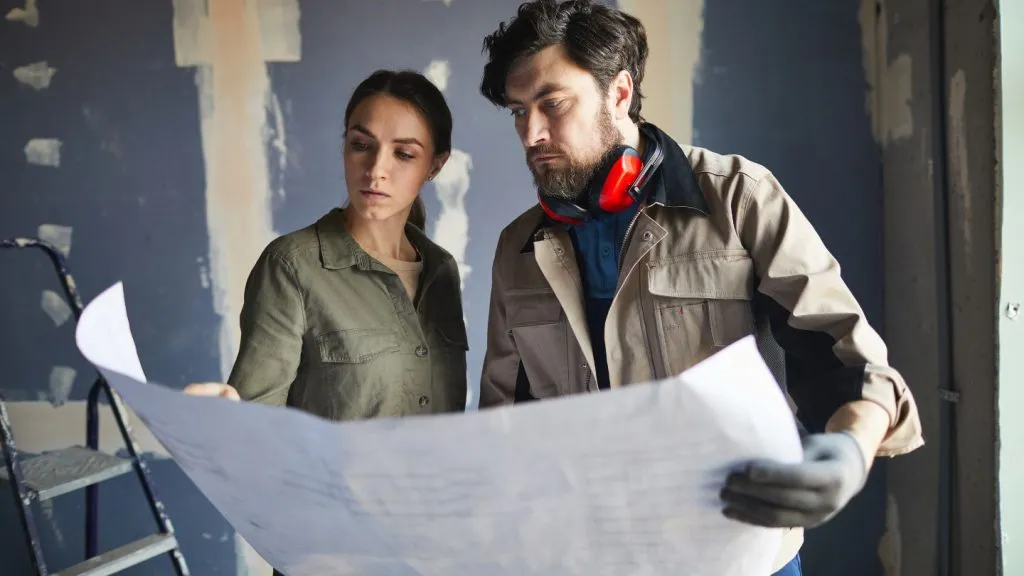
Effective communication among stakeholders minimizes misunderstandings and keeps construction projects on track. Proper communication facilitates understanding of team roles and project dependencies, which aids in preventing construction delays. Everyone involved in the project must be informed about new updates like redesigns or change orders to ensure alignment and progress. Effective collaboration in construction can significantly reduce project delays and enhance overall project outcomes.
Clear communication channels, regular meetings, and active stakeholder engagement enhance communication and collaboration. These practices ensure that all team members are on the same page and can address potential issues promptly.
Clear Communication Channels
Clear communication channels minimize misunderstandings and project delays. Effective communication among all project stakeholders is essential to address delays promptly and maintain project momentum. Miscommunication can lead to costly mistakes and rework, significantly impacting project timelines and budgets.
Clear communication with clients and contractors helps establish realistic guidelines regarding the construction process.
Regular Team Meetings
Regular team meetings ensure effective communication in construction projects. These meetings keep the entire team on the same page, facilitating better coordination among construction teams.
Regular meetings allow for the prompt addressing of any potential issues that may arise during the project.
Stakeholder Engagement
Active stakeholder engagement enhances commitment and input, vital for project success. External stakeholders engagement ensures that all parties are aligned with the project goals and can contribute to timely decision-making, ultimately reducing the risk of delays.
Managing Resources Effectively
Effective resource management mitigates delays and keeps projects on schedule. Data-driven insights allow for better resource allocation, minimizing the risk of misallocation and related project delays. Construction firms employing data-driven strategies can improve their overall efficiency and responsiveness to emerging challenges on sites.
Organizing financial resources in advance can mitigate the risk of budget-related delays during construction. Integrating technology into resource management can significantly enhance productivity and reduce the likelihood of delays. By managing resources effectively, project managers can ensure that projects progress smoothly and avoid costly delays.
Addressing Labor Shortages
Labor shortages can lead to delays in construction project timelines, as subsequent tasks are dependent on the availability of workers. The aging workforce and a lack of interest from younger generations contribute to the growing difficulty in hiring qualified workers. Utilizing accurate estimates combined with software-based estimation practices can help project managers mitigate delays arising from labor shortages.
Training programs ensure the availability of skilled workers and help reduce mistakes on the site. Establishing a reserve of funds is essential for maintaining project flexibility and can assist in managing labor shortages through strategic hiring during peaks.
Proactively addressing labor shortages helps avoid delays and maintain project momentum.
Efficient Resource Allocation
Optimal resource allocation is crucial because:
- It prevents labor shortages and equipment downtime.
- Improving safety measures and offering better pay can attract more workers to the construction industry.
- Proper resource allocation mitigates delays caused by equipment shortages and improves overall project flow.
Efficient resource allocation helps project managers avoid budget conflicts and cost overruns, keeping projects on track.
Utilizing Technology for Resource Management
Technology can provide effective solutions for managing resources across various construction sites. Technology helps build stronger vendor relationships. Implementing technology solutions is crucial in enhancing resource management and minimizing project delays across multiple construction sites. Strong vendor relationships can help reduce supply chain disruptions and unexpected costs.
Construction management software allows for real-time monitoring of resources, improving decision-making and efficiency. By integrating advanced project management tools, construction managers can enhance productivity, ensure timely project completion, and avoid costly delays.
Implementing Risk Management Practices
Proactive risk management is crucial in construction project management. Severe weather conditions and unforeseen site conditions can create unavoidable delays, necessitating contingency planning. Some construction firms have reported using pre-construction assessments to identify and mitigate risks early in the project lifecycle. Data-driven decision-making enhances project outcomes by enabling more precise risk assessments through comprehensive data analysis.
Identifying potential risks and creating contingency plans are key components of risk management. Regular risk assessments allow for timely adjustments in project strategy to adapt to new challenges, ensuring smooth progress in construction projects.
Identifying Potential Risks
Unforeseen site conditions, such as geological surprises, can lead to significant project disruptions. Proactive risk assessment is essential to avoid potential delays during construction. Evaluating factors such as adverse weather conditions, supply chain disruptions, and other external factors can help identify potential risks and mitigate their impact on the project.
Creating Contingency Plans
Contingency plans address adverse weather or unexpected delays in construction projects. A construction contingency is a pre-established sum of money set aside for unforeseen circumstances, ensuring financial readiness for delays. Different approaches are necessary to handle project delays caused by uncommon accidents and worksite injuries.
Creating contingency plans involves:
- Identifying potential risks
- Outlining mitigation strategies to mitigate them
- Setting aside financial resources to cover unexpected costs
- Developing alternative plans to keep the project on track.
By planning for unforeseen circumstances, project managers can ensure that delays are minimized and the project progresses smoothly.
Conducting Regular Risk Assessments
Regular risk assessments keep project teams proactive in identifying and addressing potential setbacks. Regular assessments allow for timely adjustments in project strategy to adapt to new challenges, ensuring smooth progress in construction projects.
By identifying potential risks and creating contingency plans, project managers can mitigate the impact of unexpected risks on project progress and timelines.
Leveraging Technology for Better Project Management
Technology enhances planning processes by:
- Making them easier to execute and helping reduce construction project delays.
- Using modern scheduling tools to build better plans and tackle work with clarity and consistency.
- Employing project management software to effectively track progress, costs, and quality, improving overall communication.
- Utilizing construction analytics tools to provide a method for regular progress tracking.
Implementing a real-time project tracking system has shown to reduce delays and improve overall efficiency. Construction management software allows for real-time monitoring of resources, improving decision-making and efficiency. By leveraging technology, construction firms can enhance resource management, ensure timely project completion, and avoid costly delays.
Real-Time Collaboration Platforms
Real-time collaboration platforms offer several benefits:
- Increase efficiency and minimize misunderstandings among project teams.
- Allow instant communication and document sharing among project members, enhancing teamwork and reducing errors.
- Facilitate immediate updates, enabling project teams to synchronize their efforts and make informed decisions quickly.
These platforms help in reducing misunderstandings and conflicts by providing a single source of truth for all project-related information. By using real-time collaboration tools, project managers can ensure that all team members are on the same page, reducing the risk of delays and improving overall project outcomes.
Data-Driven Decision Making
Data analytics identifies patterns that can forecast potential delays in construction projects. By analyzing project data, teams can make informed decisions that optimize resource use and enhance project timelines.
Leveraging data analytics allows project managers to identify trends and optimize resource allocation, directly influencing project efficiency. Data analytics plays a critical role in enhancing decision-making processes in construction by predicting potential delays before they occur.
Industry Examples of Delay Prevention
A construction firm adopted modular building techniques, which helped to minimize on-site construction delays at the construction site. Modular building techniques offer a modern approach to construction that can significantly enhance project efficiency. These techniques reduce the time needed for on-site construction by allowing components to be built simultaneously in a factory setting.
The implementation of modular building has shown to significantly improve project timelines and reduce the likelihood of delays. By adopting innovative construction methods, firms can avoid delays and ensure that many construction projects are completed on time and within budget.
Read more: How Long Does It Take to Build a House from Start to Finish?
Final Thoughts
Avoiding construction project delays requires a strategic, all-encompassing approach, one that emphasizes detailed planning, realistic scheduling, effective communication, and ongoing progress tracking. By addressing the root causes of delays such as poor planning, labor shortages, and miscommunication, construction professionals can keep projects on schedule and within budget while ensuring stakeholder satisfaction.
Concord Homes, a trusted home construction company in Athens, Ooltewah, Cleveland, Ocoee, Bradley County, TN, and the surrounding areas, showcases how detailed project planning and clear communication can lead to timely completions and lasting client relationships. With a focus on quality craftsmanship and transparency, they help homeowners bring their vision to life without unnecessary setbacks or stress. Contact us today to start building your dream home with confidence and peace of mind!
Frequently Asked Questions
What are the main causes of construction project delays?
Construction project delays mainly stem from poor planning, unrealistic schedules, ineffective communication, and labor shortages. Addressing these issues proactively can greatly enhance project timelines.
How can effective planning strategies prevent construction delays?
Effective planning strategies are crucial in preventing construction delays, as they involve creating detailed project plans and realistic timelines while regularly monitoring progress to address potential issues promptly. By doing so, you ensure that projects remain well-organized and on schedule.
Why is communication important in construction project management?
Effective communication in construction project management is vital as it aligns all stakeholders on responsibilities and expectations, reducing the risk of misunderstandings and delays. This ultimately leads to a more efficient and successful project outcome.
How can technology enhance construction project management?
Technology enhances construction project management by enabling real-time tracking, efficient resource management, and improved collaboration, ultimately boosting efficiency and minimizing delays.
What are some examples of innovative construction techniques that can prevent delays?
Modular building is an innovative construction technique that can effectively prevent delays by enabling components to be constructed simultaneously in a factory, streamlining the on-site assembly process. This approach significantly enhances project timelines and efficiency.