

Building your first home is an exciting milestone, but it can feel overwhelming without proper preparation. From choosing the right builder and understanding the construction process to setting a practical budget and planning for the future, every decision shapes the success of your project. A well-informed approach helps avoid costly delays and ensures a smooth building experience. In this blog, discover essential tips that simplify each stage of home construction and guide you toward creating a home that meets your vision and long-term needs.
Key Takeaways
- Choosing the right custom home builder is vital for a smooth building experience; look for a track record, communication, and references.
- Establish a realistic budget, including a contingency fund of 5-10% for unexpected costs, to keep your project financially viable.
- Stay involved throughout the construction process with regular communication and site visits to ensure your vision is realized and address any issues promptly.
Choose the Right Custom Home Builder
Selecting the right custom home builder is one of the most crucial steps in your home-building journey. The builder you select will significantly influence your home-building experience, making it either smooth and stress-free or fraught with challenges. Start by consulting local home builders’ associations to get a list of reputable builders in your area. Verify that the builder has the necessary business licenses and insurance to protect you from potential liabilities during construction.
But it’s not just about credentials. When looking for a builder, consider the following:
- A solid track record
- The number of homes they’ve completed as an indicator of expertise and reliability
- Good communication standards, including setting expectations early on
- Asking for references from previous clients
- Visiting open houses or home shows to assess their work firsthand
This will give you a tangible sense of their craftsmanship and attention to detail.
Remember, choosing the right custom home builder is like laying the foundation of your new house; it needs to be strong and dependable. A trustworthy builder will not only bring your vision to life but also ensure the entire process of your home build is enjoyable and fulfilling.
Understand the Building Process
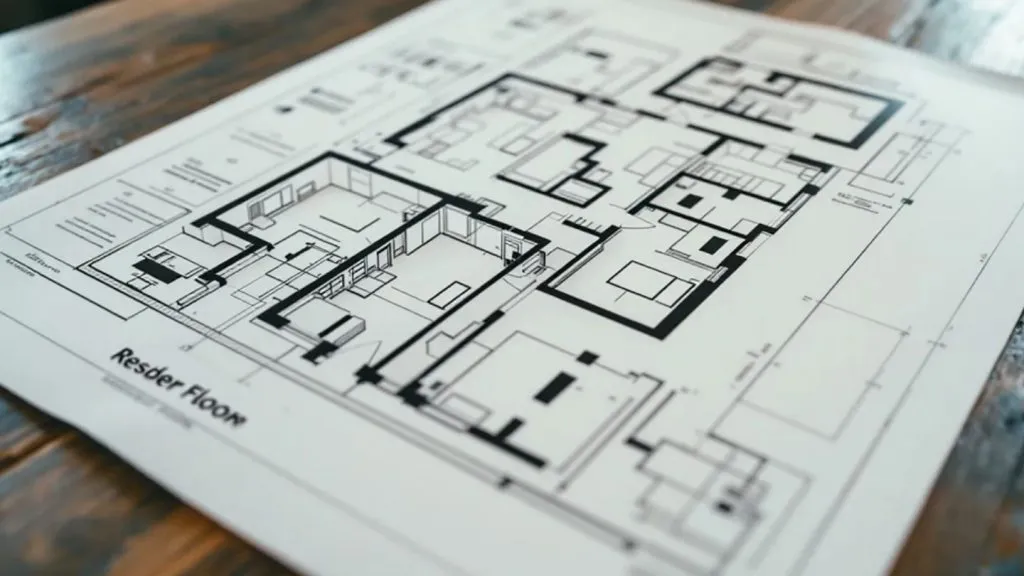
Understanding the building process is essential for any first-time home builder. The process typically involves multiple phases, including site preparation, framing, and final inspection. The timeline for building a home can vary significantly based on factors like design complexity and weather conditions, so it’s crucial to have a clear design/build timeline discussed with your builder.
Permitting is one of the first critical steps. Before any physical construction can begin, you’ll need to:
- Secure all necessary building permits to comply with local building codes and avoid legal issues.
- Once permits are in hand, the construction phase can officially start.
- During construction, regular inspections will ensure the building complies with all relevant codes and standards.
- If any issues are found, they must be resolved, and another inspection may be required.
Maintain open communication with your home builder, contractors, and suppliers throughout the building process. This helps address any issues promptly and keeps the project on track. Making early selections for materials and features can also help maintain project timelines and avoid costly delays.
Monitoring the detailed project schedule enables you to track progress and understand responsibilities. Regularly checking in with your builder and staying informed about each phase of the construction can help you identify and address potential construction delays before they become significant issues.
Establish a Realistic Budget
Establishing a realistic budget is fundamental to a successful home-building project. This budget should encompass all costs related to permits, land, and unexpected expenses. One of the most practical tips is to allocate a contingency fund of 5% to 10% of the total budget. This fund will help you manage unforeseen costs without derailing your project. A clear budget breakdown is crucial for tracking and adjusting expenses throughout the building process.
Securing financing at the beginning of the process ensures that the necessary funds are available when construction starts. This step not only provides peace of mind but also prevents delays that can occur due to financial hiccups. Clear communication with your financial institution and builder about budget constraints can help set realistic expectations and avoid stress down the line.
Remember, a well-planned budget is not just about saving money in the short term but ensuring that your project remains financially viable in the long run. With practical tips and careful planning, you can establish a budget that supports your dream home without unnecessary financial strain.
Plan for Future Needs
When building a new home, it’s essential to plan for future needs. This means considering how your home can adapt to changes in your family’s lifestyle and needs over time. Incorporating aging-in-place features can ensure safety and comfort as mobility needs change. Universal design focuses on creating accessible spaces that can be used by individuals of all ages and abilities.
Consider the following when designing your home:
- Flexible space considerations, such as a room that transitions from a nursery to a study, to accommodate family growth and changing needs.
- Designing with potential resale value in mind, as circumstances may change.
- Thinking about the current lifestyle of your family, including the number of bedrooms and the need for a home office or playroom.
Incorporating features like wider doorways and single-level layouts enhances wheelchair accessibility. Future-oriented design considerations might also include the installation of grab bars and slip-resistant flooring to prevent accidents. By planning for the future, you can create a home that meets your needs today and adapts to whatever tomorrow brings.
Read More: The Impact of Custom Homes on Property Value and Resale Potential
Design Your Dream Home

Designing your dream home is one of the most exciting parts of the home-building journey. A custom home is designed specifically to meet your unique specifications, making it a one-of-a-kind residence. You have the freedom to choose every aspect, from the floor plan to the finishes, ensuring your new home reflects your personal style and needs.
When shaping your dream home’s layout, it helps to discover how custom home builders can help you design the perfect floor plan so that every space reflects your lifestyle and adapts to future changes with ease.
If a fully custom home feels overwhelming, consider a semi-custom home, which allows for modifications to pre-designed floor plans. This option offers a balance between personalization and efficiency. Whether you opt for a custom or semi-custom home, thorough discussions with your builder are crucial to align the design with your vision and lifestyle needs.
Before starting the building process, consider the following steps:
- Explore various home designs and styles.
- Evaluate different floor plans and home styles to understand what you like.
- Decide what will work best for your family.
By taking the time to design your dream home thoughtfully, you’ll ensure that it’s a perfect fit for your needs now and in the future.
Read More: How to Choose the Best Flooring for Your Custom Home
Site Preparation and Permits
Proper site preparation and obtaining the necessary permits are crucial steps in the building process. Site preparation sets the stage for construction by ensuring the land is suitable for building, including space for utilities and setbacks. This phase often involves clearing the site of obstacles like trees, rocks, or old structures. Grading the land is necessary to create an even surface before foundation work can begin.
Key steps in land preparation include:
- Soil testing to assess water absorption and ensure the land can support the proposed structure.
- Hiring a professional land-clearing team to handle debris removal, vegetation, trees, brush, and rocks from the building site.
- Compacting soil during grading to help prevent future settlement issues in the building’s foundation.
Permits must be acquired before starting physical construction to comply with local regulations and avoid legal consequences. This includes additional permits for connecting utilities and coordinating with local service providers. Proper site preparation and permitting are essential to a smooth construction process and avoiding potential delays.
Choose High-Quality Materials
Choosing high-quality materials makes all the difference in the durability, aesthetics, and energy efficiency of your new home. Investing in materials like:
- Timber
- Concrete
- Steel
- Stone
- Brick ensures strength and longevity.
These durable materials not only enhance the structural integrity of your home but also its overall appearance.
Sustainable building materials, such as recycled steel and bamboo, are gaining popularity for their environmental benefits. These materials are not only eco-friendly but also offer unique aesthetic qualities. Additionally, opting for low-emissivity windows can significantly improve energy efficiency by minimizing heat transfer while allowing natural light to enter.
Working with a community-focused team also brings added benefits. By recognizing the advantages of choosing a local home builder over a national builder, you gain personalized service, faster communication, and a builder who understands local regulations and neighborhood character.
Selecting high-quality materials ensures your home stands the test of time and reduces maintenance and repair stress. The initial investment may be higher, but the long-term benefits in terms of durability, energy savings, and overall satisfaction are well worth it.
Read more: The Essential Guide to Home Building Materials and Features
Stay Involved in the Construction Phase
Staying involved in the construction phase is essential to ensure your home-building experience aligns with your vision. Key actions include:
- Maintaining clear communication with your builder to keep the project on track and address any concerns promptly.
- Regularly attending site visits to verify that the construction aligns with your expectations.
- Making any necessary adjustments based on observations during site visits.
Choosing finishes early helps keep the build on schedule and minimizes potential backorders. Be clear with your builder about changes or preferences for fixture placements to avoid confusion. If you can’t be on-site, using technology like FaceTime can help you communicate with subcontractors and ensure everything is progressing as planned.
Regularly double-checking invoices can confirm that there are no overlooked errors in the billing process. Staying involved and proactive ensures your dream home is built to your satisfaction and helps avoid potential issues down the road.
Plan for Unexpected Expenses
Account for unexpected expenses as a crucial part of the home-building process. Set aside a contingency fund to manage any unforeseen costs during construction, including any additional costs that may arise. Experienced builders recommend having this fund to account for potential budget and time overruns. Common issues, such as construction delays, can significantly impact your budget and timeline, so being financially prepared is key.
Having a well-planned contingency fund can alleviate financial strain due to unforeseen circumstances. This is vital to keeping your home-building project on track and within budget, despite unexpected challenges.
Final Walkthrough and Inspections
The final walkthrough and inspections mark the last steps in your home-building journey. During the final walkthrough, you should:
- Ensure everything meets your requests and check for any damage.
- Test all major systems, including HVAC systems and plumbing, to ensure they are functioning properly.
- Evaluate installed elements like cabinets, plumbing fixtures, and light fixtures to ensure they meet your standards.
To ensure a smooth closing process:
- Communicate with the seller to address any significant issues found.
- Negotiate repairs or credits based on these discoveries.
- Schedule the final walkthrough within 24 hours prior to closing to ensure any last-minute concerns can be addressed.
Note: This step is not a formal inspection but a chance to verify that the property is in expected condition before closing.
Once everything passes inspection during the final walkthrough, you can start the closing process and prepare to move into your new home.
Final Thoughts
Building your first home is a detailed yet rewarding journey that demands thoughtful planning and well-informed choices. From selecting the right builder and setting a realistic budget to understanding the construction process and planning for future needs, every step contributes to a smooth experience and a home that fits your lifestyle for years to come.
For expert guidance and a seamless building process, Concord Homes stands out as a trusted home builder in Cleveland, TN. Their focus on quality craftsmanship, clear communication, and personalized design ensures your new home is built to meet both present and future needs with confidence and precision.
Frequently Asked Questions
Why is choosing the right custom home builder important?
Choosing the right custom home builder is key because it can make your building experience either a breeze or a total headache. A good builder sets the tone for a smooth process, so pick wisely!
What should be included in a realistic budget for home building?
Your budget should cover permits, land, construction costs, and definitely set aside a contingency fund for any surprise expenses. That way, you’ll be ready for anything that comes your way!
How can I ensure my new home meets future needs?
To make sure your new home is ready for the future, think about adding aging-in-place features, creating flexible spaces, and keeping resale value in mind. This way, you’ll be set for whatever comes next!
What are the benefits of choosing high-quality materials for home building?
Opting for high-quality materials in home building means your place will be more durable, look better, and save you on energy costs. It’s a smart choice that leads to less hassle with maintenance down the road.