
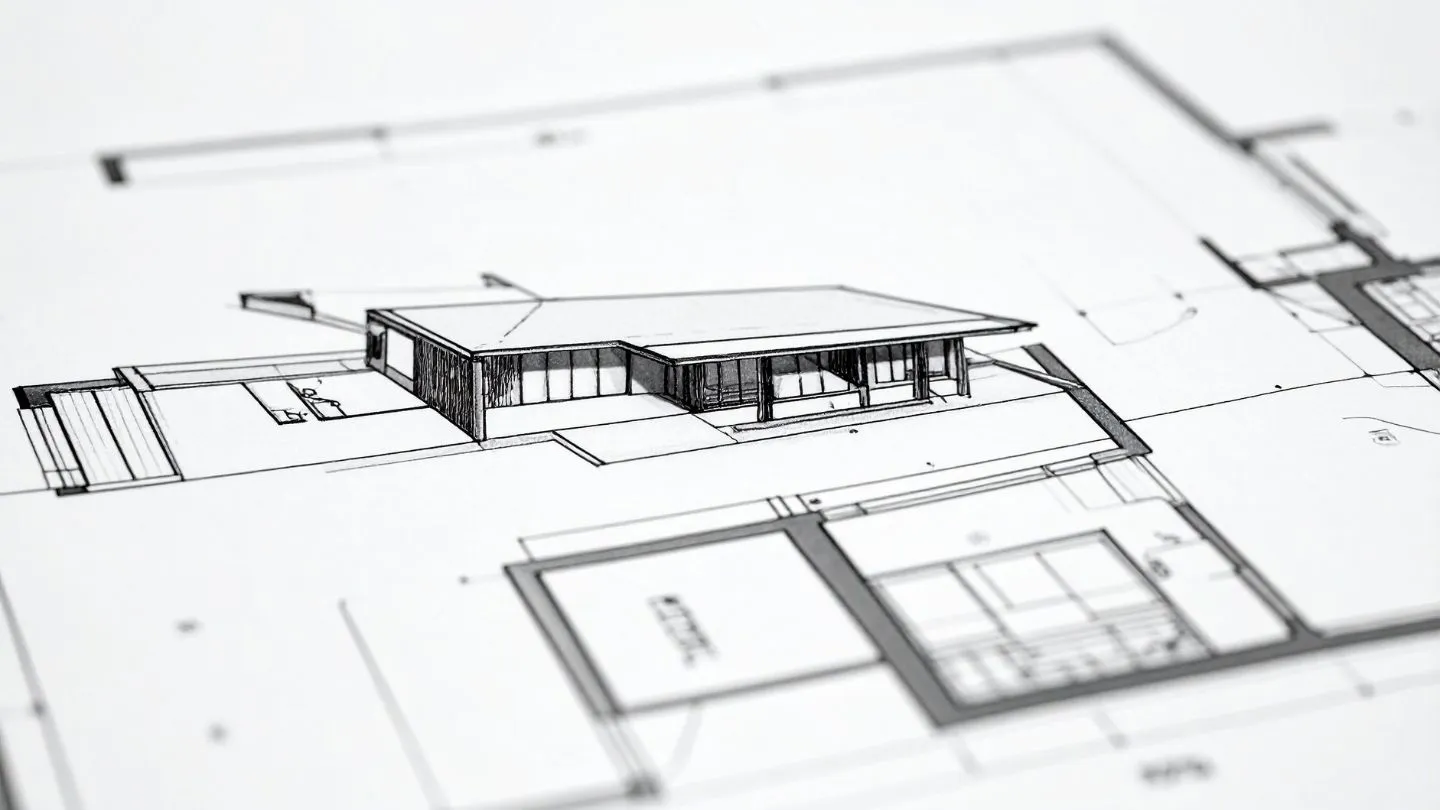
Designing a home involves careful planning to ensure that the space is both functional and comfortable. A well-thought-out floor plan is key to creating a living space that supports your lifestyle and meets your needs. However, there are several common mistakes that can compromise the overall flow and efficiency of the home. Whether it’s poorly designed room layouts or overlooked details, these errors can have a lasting impact. In this blog, we’ll explore some of the most important considerations to keep in mind when designing your home’s floor plan.
Key Takeaways
- Always consider your lifestyle needs when designing a floor plan to ensure it fits your daily routines and activities.
- Effective space allocation and furniture placement are essential for maximizing comfort and functionality in your home.
- Don’t forget to plan for future needs and adequate storage to keep your living space organized and adaptable over time.
Overlooking Lifestyle Needs
Many homeowners design floor plans without accounting for their unique lifestyle needs, resulting in layouts that don’t suit their daily routines and preferences. If you frequently host gatherings, ensure your living and dining areas are spacious and well-connected for seamless entertaining. Conversely, if privacy and quiet are priorities, having separate spaces for different activities can be more beneficial.
Tailoring room sizes to fit your family’s needs is crucial. A room perfect for one person may feel cramped or overly spacious to another. Adjustments like moving walls and improving circulation can better suit the occupants’ lifestyle. Exploring multiple floor plan options before finalizing can help identify the best fit for your lifestyle and budget. Discover how custom home builders can help you design the perfect floor plan to create the ideal space for your family’s needs.
Flexibility is key in modern homes. Incorporate features like sofa beds and foldable tables to adapt spaces for different functions. Additionally, adaptable outdoor houses can enhance your living areas for various activities.
Age-in-place features like wider doorways and zero-threshold entries can ensure your home remains functional as your needs evolve over time.
Poor Space Allocation
Proper space allocation is vital for functional and comfortable living spaces. Most common mistakes include rooms that are too large or too small. For instance, an overly spacious living room can waste valuable square footage, making the home feel inefficient, while small bedrooms and bathrooms can feel cramped and uncomfortable. Additionally, avoiding floor plan mistakes can enhance the overall flow and usability of the space.
Balancing room sizes based on family needs is crucial for optimal living conditions. Each room should be proportionate to its intended use. For instance, an oversized kitchen may seem luxurious, but it can take away from essential areas like dining spaces or storage. Effective utilization of every square foot significantly impacts comfort and functionality.
Opting for an open layout without considering formal dining spaces is a common mistake. Open-concept designs create openness and flow, but can lead to inadequate dining areas if not properly planned. Consider how each space will be used and ensure enough space is allocated for all activities. Recognizing open vs traditional floor plans can help you determine which design best suits your family’s needs.
Read more: How Home Contractors Can Help You Create a Functional and Stylish Kitchen?
Ignoring Furniture Placement
Furniture placement is a critical aspect of home design often overlooked, with the focal point being a key consideration. Ignoring where furniture will go can lead to a layout that feels overcrowded or empty. Consider furniture dimensions during the design phase to ensure each room can accommodate its intended furnishings comfortably.
3D floor plan software helps visualize room dimensions and furniture layouts before construction begins. This allows experimentation with different arrangements to find the most harmonious setup. For example, choosing a coffee table that complements your existing furniture can maintain a harmonious layout and enhance room aesthetics.
Defining distinct areas in larger rooms enhances functionality and warmth. For instance, using rugs or arranging furniture in specific zones defines areas within an open space, making it feel more inviting and organized. Avoid relying solely on 2D floor plans, as they can lead to surprises during construction. When considering furniture placement, essential things you need to know when choosing the right floor plan can provide valuable tips on how to best arrange your space.
Lack of Adequate Storage
Ample storage options in a floor plan are crucial to prevent clutter and maintain organization. Insufficient storage negatively impacts room functionality, making them feel cramped and disorganized. Built-in shelving maximizes vertical space, offering additional storage while keeping areas organized.
A well-designed pantry enhances kitchen organization by keeping food and supplies in order. Similarly, coat closets manage outerwear and accessories, reducing everyday clutter. Extended cabinetry in kitchens provides more storage and contributes to a streamlined appearance.
Under-stair compartments cleverly utilize otherwise wasted space for storage. Built-in storage efficiently organizes items while preserving valuable floor space. Adequate storage solutions are vital for maintaining a neat and functional living space. Understanding the role of a home construction company in custom home design helps ensure that storage solutions are integrated seamlessly into the design of your custom home.
Read more: How to Maximize Storage in Your New Home Construction?
Neglecting Traffic Flow
Traffic flow is crucial for overall functionality and comfort within a home. Poor traffic flow creates a cramped feeling, impacting efficiency and comfort. For example, an oversized kitchen island can obstruct movement, reducing kitchen functionality.
Consider how individuals will navigate the house to create effective traffic patterns. Appropriately sized furniture prevents overcrowding and maintains proper traffic flow. Arranging furniture away from walls fosters a more inviting and engaged space, enhancing the overall living experience.
Ensuring doors have adequate clearance is crucial for smooth movement and accessibility. Attention to these details creates a home with optimal ceiling height that feels open and easy to navigate, improving both functionality and comfort. Understanding how to choose the perfect floor plan for your custom home can help you ensure the flow of your home is functional and easy to navigate.
Poor Natural Light and Ventilation

Natural light and effective ventilation are essential for a comfortable and healthy living space. Well-placed windows:
- Enhance views
- Increase privacy
- Improve ventilation
Maximizing window placement captures optimal light throughout the day, creating a bright and inviting living space by strategically positioning windows, allowing for fresh air.
Natural light in floor plans increases brightness, openness, and spaciousness, positively affecting mood and productivity. Additionally, natural light lowers energy costs by decreasing reliance on artificial lighting. Poor window placement can result in dark rooms, discomfort, and costly modifications.
Effective ventilation should include cross-ventilation designs for efficient air circulation. Prioritizing natural light and poor ventilation creates a more pleasant and energy-efficient home environment. Recognizing why custom home builders are key to designing a house highlights how expert builders can ensure that your home’s design incorporates both light and air effectively.
Insufficient Room Sizes and Layouts
Insufficient room sizes and poor layout can impact the functionality of your home significantly. Large rooms waste valuable space when not utilized efficiently, while small spaces like bedrooms or bathrooms can feel cramped if not properly sized. Room sizes should be based on the specific needs of family members to ensure that the primary bedroom and other rooms feel comfortable and functional.
Considering furniture placement ensures rooms can function effectively for their intended purposes. Plan the placement of staircases and doors to avoid hindering movement and accessibility. For example, the arrangement of entrances and bathrooms near living areas can disrupt flow.
A well-planned room layout enhances walking flow, promoting a comfortable and inviting living environment where you can feel comfortable. Carefully planning room sizes and layouts creates a home that feels spacious and functional.
Misplaced Laundry Room
The placement of the laundry room can significantly impact convenience. Consider the following points:
- A common complaint is that the laundry room is often too far from the bedrooms, making laundry chores more cumbersome.
- Ideally, the laundry room should be close to the bedrooms.
- Preferably, it should be on the same level as the bedrooms to streamline tasks.
Convenient access to the laundry room significantly reduces time and effort during chores, making sense of one of the most mundane household tasks easier and more efficient.
Inadequate Bathroom Privacy
Inadequate bathroom privacy leads to discomfort for occupants. Positioning bathrooms away from living areas enhances privacy and ensures a more comfortable experience for everyone. Bathrooms should be near bedrooms or away from common areas to ensure privacy.
Pocket doors can improve privacy in bathroom layouts. Prioritizing bathroom privacy in your floor plan creates a home where everyone feels comfortable and at ease.
Failing to Plan for Future Needs

Planning for future needs accommodates a growing family, home offices, or aging parents. Incorporating multi-functional spaces significantly improves functionality and convenience. For example, a guest room that can convert into a home office provides flexibility as your needs change.
Flexibility can be built into a floor plan using software to create, save, and test multiple layout variants easily, allowing for fewer walls. Floor plans should include features such as wider doorways. Additionally, single-story living areas accommodate aging in place.
Planning for future needs ensures your home remains functional and adaptable over time.
Final Thoughts on Floor Plan Design
Designing a home’s floor plan is a crucial step in creating a space that is both functional and suited to your lifestyle. By avoiding common mistakes, such as poor room flow, inefficient space use, and ignoring future needs, you can ensure your home remains comfortable and practical for years to come. Thoughtful planning from the outset—especially when working with a home builder in Cleveland, TN—can save time, money, and frustration, resulting in a home that truly works for you and your family.
When you’re ready to bring your vision to life, working with an experienced custom home contractor in Ooltewah, TN can make all the difference. At Concord Homes, we understand the importance of a well-designed floor plan and offer expert guidance to help you navigate the process. If you’re looking for an individual custom home or a home builder in Athens, Ocoee, or Bradley County, we are here to assist. Reach out to us today to start building the home you’ve always dreamed of. Let us help you design a custom-built home that reflects your unique style and needs. Reach out to us today to start building the home you’ve always dreamed of.
Frequently Asked Questions
Why is it important to consider lifestyle needs when designing a floor plan?
It’s crucial to consider lifestyle needs when designing a floor plan because overlooking them can result in spaces that don’t fit people’s actual living requirements. When your design aligns with how you live, it creates a more functional and comfortable home.
How can poor space allocation affect my home’s functionality?
Poor space allocation can make rooms feel either cramped or unnecessarily vast, compromising how your home functions. It’s essential to find the right balance for a comfortable living experience.
What are the benefits of incorporating natural light in floor plans?
Adding natural light to your floor plan boosts brightness and creates a sense of openness, which can significantly enhance mood and productivity. It’s a simple change that makes a big difference!
How can I ensure adequate storage in my home design?
To ensure adequate storage in your home design, include built-in shelving, coat closets, and other smart storage solutions. This will help keep your space organized and clutter-free.
Why is it important to plan for future needs in a floor plan?
It’s crucial to plan for future needs in a floor plan because it keeps your home functional and adaptable for changes like family growth or a new home office. This way, you won’t have to face costly renovations later on.