
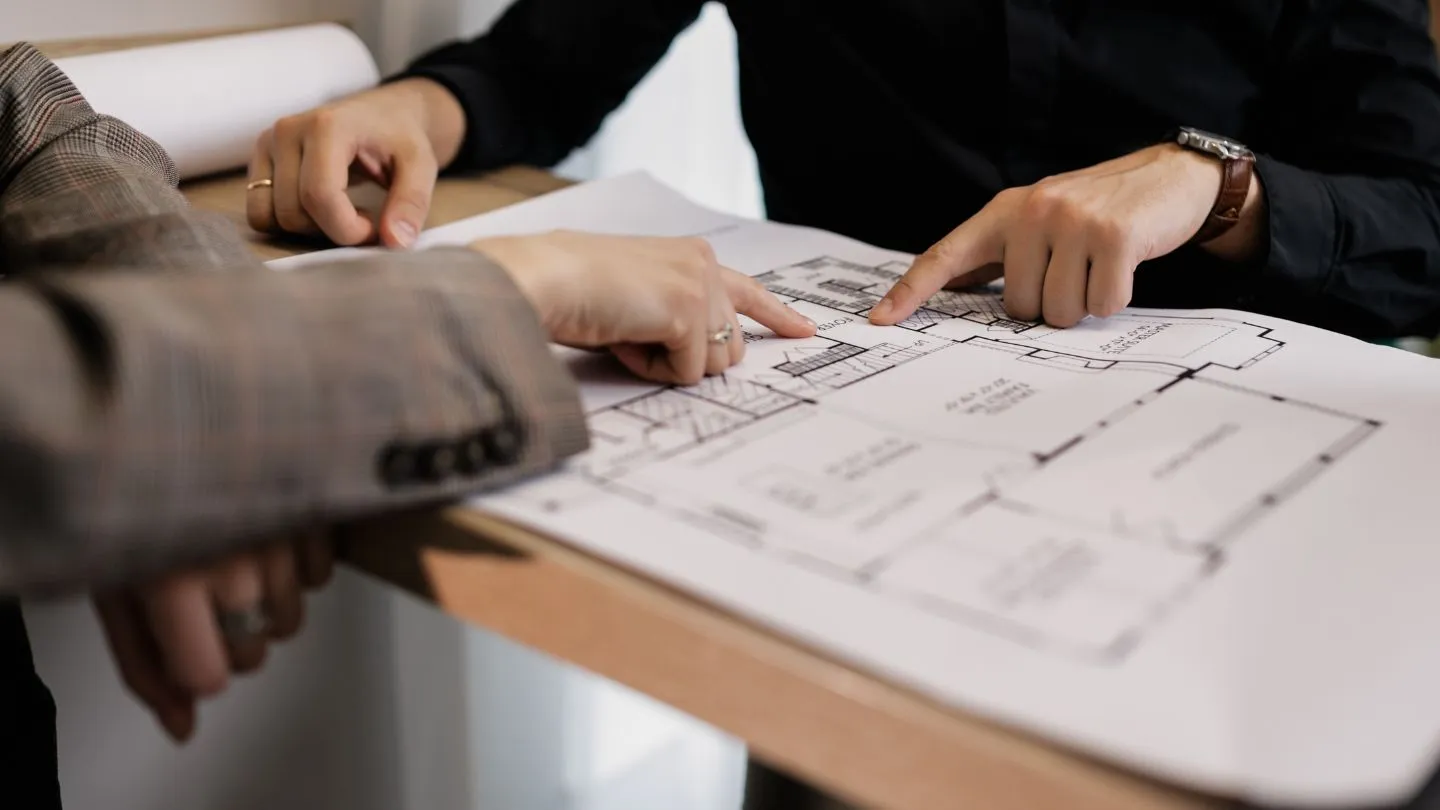
Choosing the right floor plan is one of the most important steps in creating a home that fits your lifestyle. A well-thought-out layout can enhance comfort, functionality, and even your daily routine. In this post, we’ll walk you through the key factors to consider when selecting a floor plan, from evaluating your needs to prioritizing must-have features. Whether you’re building from scratch or customizing an existing design, these tips will help you make confident decisions for your perfect home.
Key Takeaways
- Assess both current and future needs when selecting a floor plan to ensure it accommodates lifestyle changes and family dynamics.
- Prioritize key features that are essential for functionality, balancing must-haves with financial constraints for optimal decision-making.
- Consult professionals to navigate local building regulations and enhance the practicality and design of your chosen floor plan.
Assess Your Current and Future Needs
Your lifestyle plays a pivotal role in determining the type of floor plan choices that will best meet your needs. Start by assessing your current home and identifying what works and what doesn’t. Do you need more space for a growing family, or perhaps a dedicated home office? Understanding your current needs will help you decide what features are essential in your future home.
Family size and future plans are also crucial considerations:
- If you plan on expanding your family, you’ll need to factor in additional bedrooms and bathrooms.
- If you’re close to becoming an empty nester, you might prioritize different aspects, such as smaller, more manageable spaces or areas for hobbies and relaxation.
- Creating adaptable spaces can prevent the need for major renovations as life circumstances change.
Privacy is another critical factor, especially in shared or multigenerational living situations. Are there enough private areas for each family member? Incorporating multifunctional spaces enables various activities, allowing residents to engage socially or enjoy personal time. A well-designed floor plan should reflect the practical use of space tailored to family needs.
Exploring different floor plan options is part of the journey. Ensuring future flexibility can make your home adaptable to changing family dynamics. Multifunctional rooms can accommodate changing family needs over time, making your future home a place where you can grow and expand. Carefully considering your current and future needs ensures your new home will remain comfortable and functional for years to come.
Prioritize Key Features
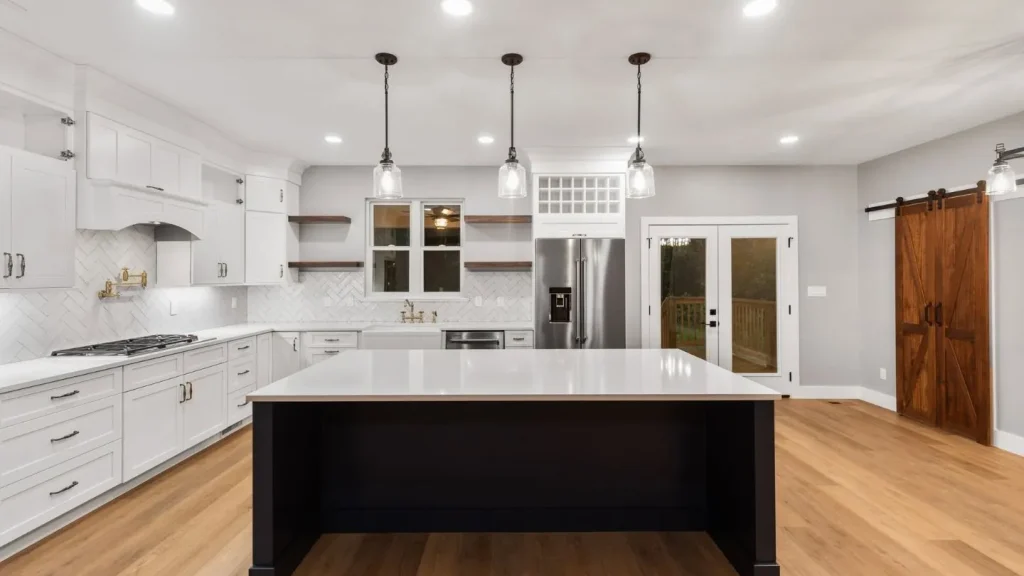
With so many options available, it can feel overwhelming to find the right plan that meets all your needs. The first step is to focus on the key features that are non-negotiable for your lifestyle. Listing your must-haves and nice-to-haves helps narrow down choices and ensures you don’t overlook essential elements in your search.
Functionality is paramount when it comes to key features:
- A spacious kitchen with an island and ample counter space enhances daily cooking and family gatherings.
- A dedicated home office significantly improves productivity and work-life balance.
- A master suite with a walk-in closet provides comfort and convenience, ensuring your private space is a sanctuary.
Categorizing your needs, wants, and luxuries can guide your prioritization process, especially when it comes to budgeting. This approach ensures that you focus on features that will enhance your daily life while staying within your financial limits. Professional designers can offer valuable modifications to your floor plan, ensuring it meets your lifestyle and preferences.
Complementing your daily routines and enhancing the functionality of your home is crucial. Whether you have kids who need play areas or you prefer open spaces for entertaining, careful consideration of your essential features will lead you to the right plan for your dream home.
Understand Traffic Flow and Layout
A well-designed traffic flow can make moving around the house more intuitive and comfortable. Effective traffic patterns in home design enhance movement between rooms without unnecessary crossings. This means fewer bottlenecks and a smoother flow of people through the house, which is particularly important during social gatherings or busy mornings.
The layout of your home should allow for unobstructed movement between spaces, facilitating both socializing and privacy. Careful planning of room dimensions can minimize space wastage and optimize furniture placement. A well-designed foyer, for example, can serve as a central point that efficiently directs movement to various areas of the home.
Avoiding congestion and ensuring seamless transitions between indoor and outdoor spaces are vital for an efficient layout. Aligning your home’s layout with daily routines ensures natural movement and enhances the overall living experience. Considering the placement of entrances, especially from the garage to living spaces, can also facilitate ease of access.
When evaluating floor plans, paying close attention to traffic flow and layout can significantly impact the functionality and comfort of your ideal floor plan in any location.
Read more: Top Tips on How to Choose a Home Builder According to the Experts
Emphasize Natural Light and Window Placement
Natural light plays a crucial role in enhancing the ambiance and energy efficiency of a home. Strategic window placement is essential for maximizing natural light in a home. Large windows can improve energy efficiency by reducing the need for artificial lighting during the day. South-facing windows typically receive the most sunlight, making them ideal for living areas and kitchens.
Consider how the placement of windows can significantly improve natural lighting and enhance overall home ambiance. To maximize sunlight and brightness in a room:
- Ensure windows are unobstructed to allow maximum sunlight to enter.
- Use light-reflective colors.
- Place mirrors strategically to enhance the brightness of the space. These steps help create a more inviting environment.
Incorporating natural elements like windows and outdoor views positively impacts mental well-being and enhances social interactions. When choosing a floor plan, prioritize natural light and window placement to create a bright, welcoming, and energy-efficient home that aligns with your lifestyle and dreams.
Balance Open Spaces and Private Areas
Balancing open spaces and private areas in your home is crucial for daily comfort and overall ambiance. Open layouts can create a sense of spaciousness and facilitate social interactions, making them ideal for communal areas like the living room and kitchen. However, it’s equally important to ensure there are enough private areas for relaxation and personal time.
Private areas, such as bedrooms and bathrooms, should provide a retreat from the hustle and bustle of daily life. Ensuring these spaces are well-designed and separate from high-traffic areas can enhance privacy and comfort in the bedroom. This balance is particularly important in homes with multiple generations living under one roof, as it allows each family member to enjoy their own space.
Virtual tours can help you visualize how a floor plan balances open spaces and private areas. Consider how doors, patios, decks, and other features contribute to this balance, ensuring your home is both functional and comfortable. Finding the right floor plan that balances open and private spaces creates an ideal home environment for all household members.
Budget and Construction Feasibility
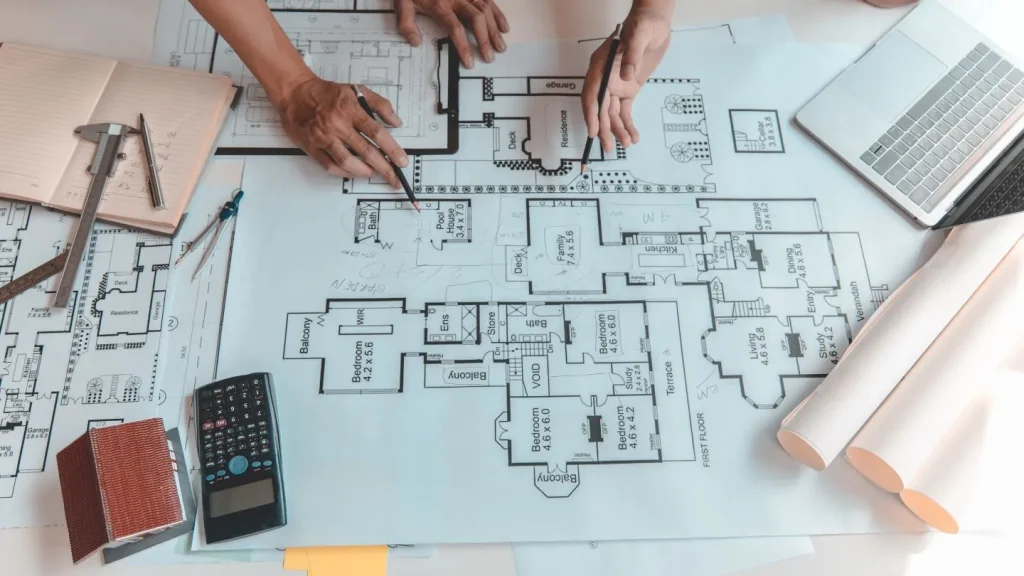
Your budget plays a significant role in selecting a house plan, as it impacts construction costs, maintenance, utilities, and potential modifications. It’s essential to review house plans that fit within your financial reach to avoid unnecessary stress and financial strain. Consulting professionals allows for a better understanding of the construction feasibility of your chosen design.
Consider construction costs, maintenance, and potential modifications when syncing a floor plan with your budget. A feasibility study helps homeowners assess whether their design ideas can be constructed within their budget. Discussing structural integrity is crucial because required repairs could add unexpected expenses to the renovation.
Curved walls and large spaces that need structural support can significantly increase cost. First-time homebuyers may feel overwhelmed, but help is available to understand affordable options. Considering budget and construction feasibility ensures your dream home is both beautiful and financially attainable.
Consult Professionals for Expert Advice

Consulting professionals provides invaluable insights into the practicality and compliance of your floor plan with local codes. A builder and designers can significantly enhance the value of your floor plan through their expertise, ensuring it meets your lifestyle and preferences. Professional guidance can help navigate technicalities and enhance the design of your space.
Engaging with an architect helps ensure:
- Your floor plan abides by local building regulations.
- Understanding of local zoning laws, which may impose limitations on your building project.
- Assistance in addressing potential technical issues that may arise during the design process.
- Your home is built to the highest standards through professional consultation.
Read more: Discover How Custom Home Builders Can Help You Design the Perfect Floor Plan.
The Finishing Thought
Choosing the right floor plan involves assessing your current and future needs, prioritizing key features, understanding traffic flow and layout, emphasizing natural light and window placement, balancing open spaces and private areas, considering budget and construction feasibility, and consulting professionals for expert advice. Each of these steps is crucial in creating a home that reflects your lifestyle and values.
Remember, your home is more than just a place to live; it’s a space where memories are made and dreams come true. At Concord Homes, we believe in delivering quality, comfort, and lasting craftsmanship in every home we build. Let our home builders in Cleveland, TN, help you turn your dream home into a reality. We also offer individual custom homes and available properties, tailored to meet your unique vision and lifestyle. Contact us
today to explore our custom home building and remodeling solutions.
Frequently Asked Questions
How do I assess my current and future needs when choosing a floor plan?
To effectively assess your current and future needs when choosing a floor plan, evaluate your lifestyle, family size, and potential future requirements, such as home offices or entertainment spaces. This thoughtful consideration will ensure the floor plan remains functional and adaptable as your circumstances evolve.
What key features should I prioritize in a floor plan?
Prioritize functionality by identifying your must-haves, such as a spacious kitchen, a home office, and a master suite with a walk-in closet. This will ensure the floor plan meets your daily needs effectively.
Why is traffic flow and layout important in a floor plan?
Traffic flow and layout are crucial in a floor plan as they enhance movement between rooms, ensuring daily activities are intuitive and comfortable. By carefully considering room dimensions and furniture placement, you can optimize space effectively.
How can I maximize natural light in my home?
To maximize natural light in your home, consider strategic window placement, large windows, and unobstructed views. Additionally, incorporating light-reflective colors and mirrors can significantly enhance brightness in your spaces.
Why should I consult professionals when choosing a floor plan?
Consulting professionals when choosing a floor plan ensures compliance with local codes and enhances design quality. Their expertise also aids in navigating technical challenges, resulting in a well-constructed home.