
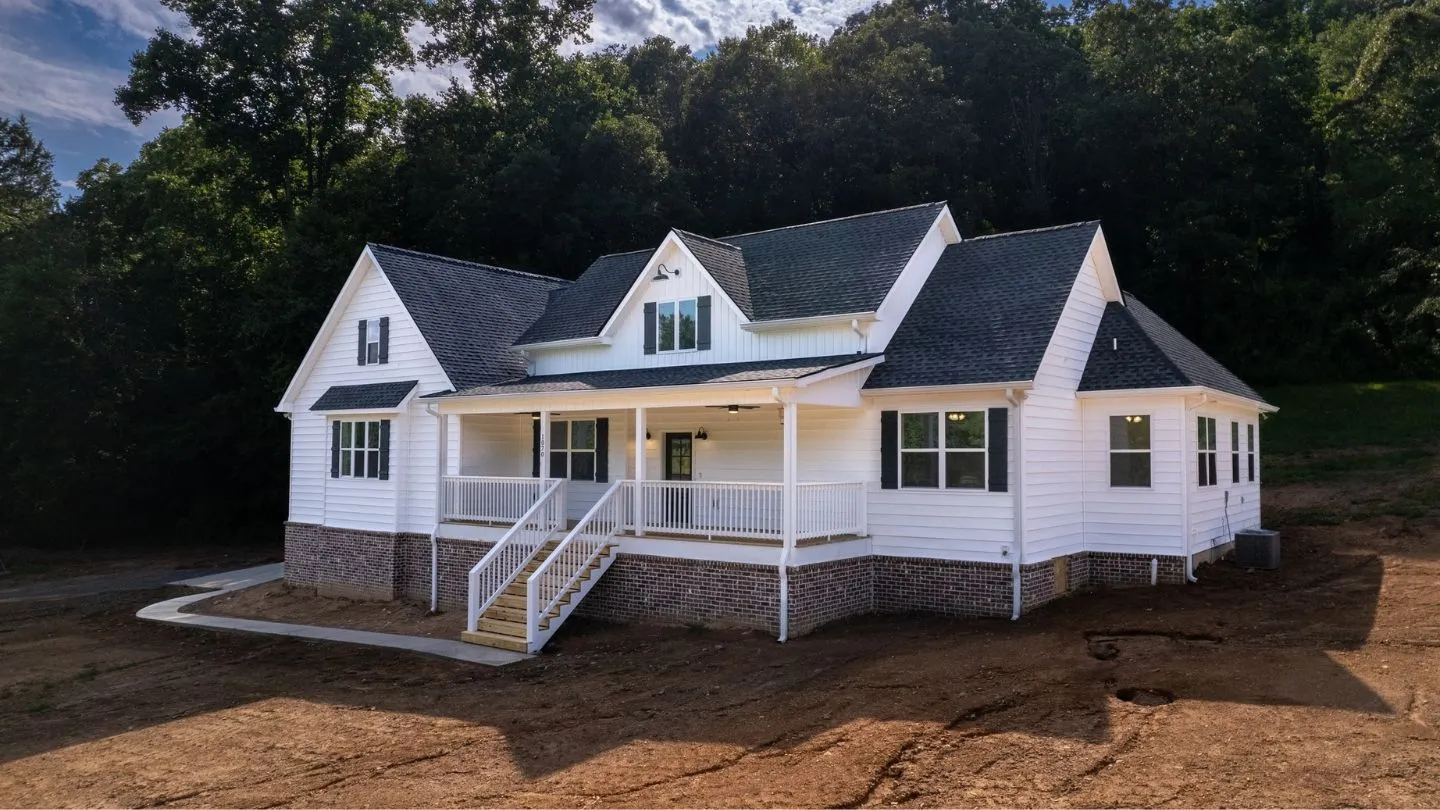
Designing a custom home starts with selecting a floor plan that matches your lifestyle, preferences, and long-term vision. The right layout not only defines how you live day-to-day but also ensures your home adapts to future needs. From evaluating your family’s routines to considering natural light, storage, and budget, each decision shapes the functionality and comfort of your living space. This blog provides expert strategies to help you choose the perfect floor plan, balancing style, efficiency, and flexibility, so your custom home becomes a lasting fit for the way you live.
Key Takeaways
- Assess your lifestyle and future needs to choose a floor plan that supports daily routines and plans for growth.
- Prioritize functionality and flow in your floor plan to enhance usability and satisfaction in your living space.
- Seek professional guidance to navigate the complexities of custom home design and ensure your plans align with your vision and budget.
Assess Your Lifestyle and Future Needs
Before selecting a floor plan, evaluate your family’s lifestyle and future plans. Start by considering your daily routines. Do you love to entertain? If so, an open floor plan with a spacious kitchen and living area might be perfect. Or perhaps you work from home and need a dedicated office space that offers privacy and quiet. Morning routines, entertainment habits, and work-from-home needs are key indicators of the features your different floor plans should include.
Consider future needs. Planning to grow your family? Extra bedrooms and bathrooms might be necessary. Think about how many bedrooms your family dynamics could change in the coming years. This forward-thinking approach keeps your home functional and ensures comfort as your life evolves. Understanding routines and future plans helps identify what works and what creates friction, influencing your choice of layout.
Ultimately, assessing your lifestyle and future needs helps you create a home that’s not only functional for today but adaptable for tomorrow. Considering factors like:
- Entertaining needs
- Kitchen features
- Space size
- Room flow
- Noise
- Privacy
Pet safety ensures your floor plan supports your family’s lifestyle and future needs.
Exploring the essential things you need to know when choosing the right floor plan helps you evaluate lifestyle patterns, room requirements, and budget considerations, ensuring a layout that remains practical and adaptable over time.
Prioritize Functionality and Flow
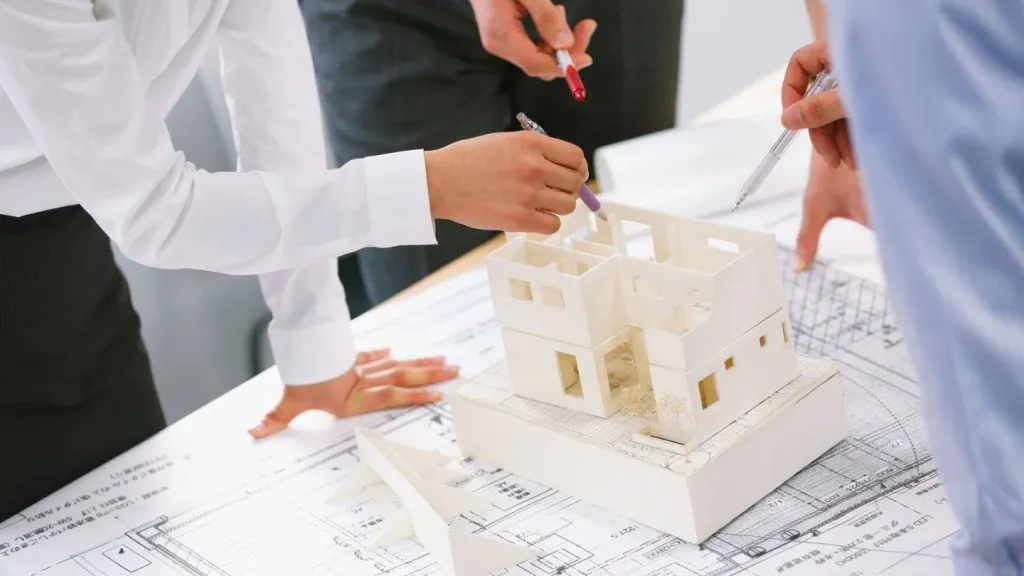
When evaluating floor plans, functionality and flow should be at the top of your list. A good floor plan features great solar gain, seamless transitions between spaces, and efficient traffic flow, contributing to overall satisfaction in a harmonious living environment. Effective traffic patterns reduce congestion, making daily movements feel like a walk, natural and effortless, creating the perfect floor plan.
Think about how rooms relate to one another. For example, keeping bedrooms away from entertainment areas ensures better functionality and more privacy. An ideal floor plan allows for easy access between different areas without sacrificing privacy. The flow from entertaining spaces to private areas should be smooth and intuitive.
Choosing a floor plan that enhances the living experience can also increase your home’s resale value. Open floor plans can create a spacious feeling and facilitate family interaction, enhancing overall usability. Prioritizing functionality and flow ensures your home is not only beautiful but also practical and enjoyable to live in.
Determine Room Requirements
Determining room requirements is an essential first step in choosing the right floor plan. Consider the following:
- Clearly define both current and future room needs, including the number of bedrooms and bathrooms.
- Create a checklist of must-have and nice-to-have room features to provide clarity during the planning phase.
- Consider a home office as a must-have, especially with the rise of remote work.
Versatile spaces that can accommodate work, hobbies, and other activities are increasingly important in modern lifestyles. Including an additional room for flexibility is recommended in a custom home plan. Adaptable spaces ensure your future home can grow with you and meet changing needs over time.
Working with experts can help tailor designs to individual needs and preferences. They can provide insights into optimizing square footage and creating defined spaces that offer both functionality and flexibility. Thoroughly evaluating your room requirements allows you to choose a floor plan that provides adequate space and meets your family’s unique needs while reviewing floor plans.
Evaluate Natural Light and Views
Natural light plays a significant role in enhancing a home’s ambiance. Aligning living spaces with sunlight to maximize natural light can make your home feel overwhelming, brighter, and more welcoming. Large windows are a great way to bring in more light and improve the quality of views. They can transform a room, making it feel larger and more open.
Window placement influences views, privacy, and the amount of natural light a room receives. The orientation of your home impacts which rooms get morning versus afternoon light. Consider how your lot’s configuration and location can enhance or restrict views and natural light. Virtual tours can be invaluable in evaluating floor plans for natural light and views, helping you visualize how different layouts will look and feel.
Incorporating skylights or tubular daylighting devices can bring natural light into otherwise dark spaces, such as stairwells or windowless rooms. Prioritizing natural light and thoughtfully considering views helps create a space that feels open, airy, and connected to the outdoors.
Consider Flexibility and Adaptability
Flexibility and adaptability are key features in a modern home. Lifestyle changes, including remote work and multigenerational living, are increasing the demand for flexible living spaces. Homes with adaptable layouts have broader appeal, enhancing their resale value.
A flexible floor plan supports a balanced lifestyle by:
- Creating defined spaces for work, relaxation, and recreation.
- Allowing easy conversion of spaces, such as turning an office into a bedroom, to accommodate changes in family size and needs over the years.
- Featuring open spaces and movable walls that enable reconfiguration of flexible spaces without major renovations.
When planning for aging in place features, consider wider doorways and accessible bathrooms. It’s also important to minimize stairs. These features make your home more accessible and adaptable for future needs. Creating flexible living areas that can adapt to various activities maximizes your home’s functionality and ensures it remains a perfect fit for years to come.
Integrate Indoor-Outdoor Living
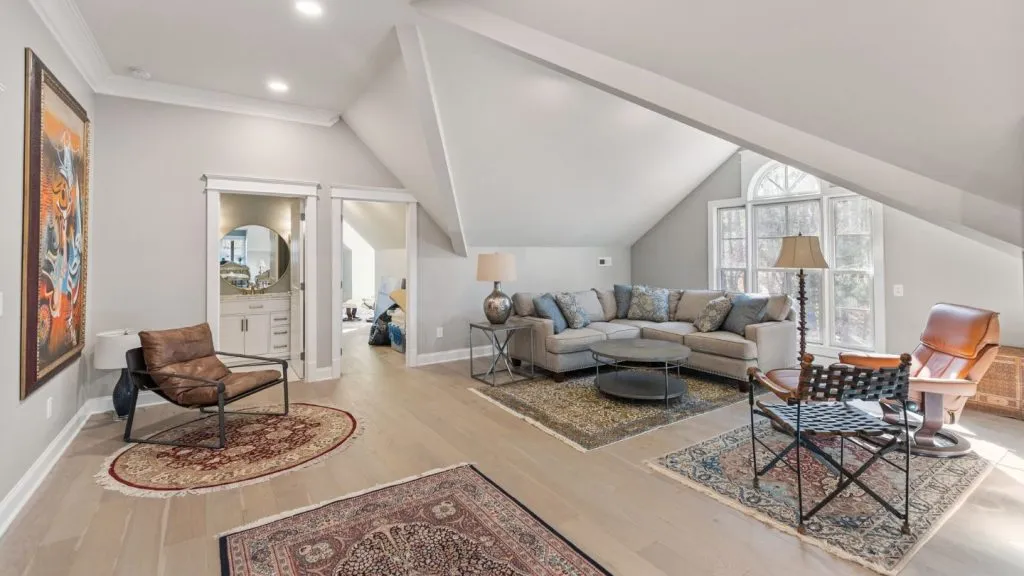
Integrating indoor-outdoor living enhances your home’s flow and functionality. Easy transitions between interior and exterior spaces improve the flow of movement within your home. Visual and physical connections to outdoor areas increase the utility of your living space, making it feel larger and more open.
Improving the flow from family rooms to a cozy patio enhances your living experience, providing more space for entertaining habits and relaxation as your family grows. Outdoor spaces are crucial for hosting guests, providing safe play areas for children, and allowing pets freedom to roam. Covered outdoor areas enhance year-round enjoyment, making them usable even in adverse weather.
Keep in mind that outdoor spaces require consistent upkeep for lawn care, gardening, and cleaning. Designing homes with efficient outdoor living areas can expand usable space while maintaining energy efficiency. Integrating indoor-outdoor living creates a seamless, cohesive environment that enhances your daily life.
Focus on Storage Solutions
Storage solutions are a crucial aspect of a functional home. Consider including various types of storage, such as pantries, linen closets, coat closets, and garage storage, in your design. Maximizing space utilization involves integrating built-in storage solutions to keep areas organized. Specialized closet systems can help maximize organization and storage efficiency.
Using the space under the stairs for storage can reduce unused areas in a home. Recessed cabinets, which are flush with walls, provide additional storage without consuming floor space. Adding lofts in bedrooms creates extra storage without compromising floor space. Innovative storage solutions like these ensure that every inch of your home is used effectively.
Entryway pull-out bins help organize items like hats and gloves, keeping the area tidy. Hidden in-floor storage can provide discreet space for valuable items, enhancing security and organization. Incorporating adequate storage solutions in your floor plan creates a tidy and functional living space that meets all your family’s needs.
Energy Efficiency and Sustainability
Energy efficiency and sustainability are crucial in modern home design. Net-zero homes are specifically designed to balance energy consumption with energy production, significantly reducing environmental impact. Prioritize proper insulation, energy-efficient appliances, and sustainable building materials for long-term energy savings.
Compact floor plans often reduce energy usage due to better thermal efficiency. The layout of your home impacts energy efficiency in the following ways:
- Compact designs with logical arrangements use less energy for heating and cooling.
- Simple geometric shapes for your home can lead to lower costs.
- Simple shapes also result in less material waste during construction.
Utilizing large windows strategically can enhance natural lighting and heat retention, further decreasing energy demands. Focusing on energy efficiency and sustainability contributes to environmental conservation and enhances your satisfaction with your home.
Budget and Construction Costs
Managing budget and construction costs is crucial when building your dream home. Larger homes typically incur higher construction and maintenance costs. Cost to Build Reports can help estimate expenses associated with a specific floor plan, providing a clearer picture of your financial commitment before construction begins.
Simpler house plans can significantly reduce overall building expenses. Floor plans with straightforward designs often lead to lower material and labor costs. Simple, rectangular layouts generally cost less to build, offering a cost-effective solution without compromising on functionality.
A well-designed floor plan that meets your long-term needs offers better value. Aligning your floor plan choice with financial parameters, including construction costs, ongoing maintenance, and long-term affordability, ensures your home fits your budget and lifestyle.
Read More: How to Choose the Best Flooring for Your Custom Home
Seek Professional Guidance
Building a custom home can be overwhelming, but professional guidance makes the process smoother and more enjoyable. Architects and designers translate your vision into functional design and offer expertise that can be invaluable. Architects, builders, and design experts can assist you in choosing the right floor plan for your custom homes.
Communicate your priorities and lifestyle needs with design professionals to receive tailored guidance that aligns with your preferences and budget. They navigate complex building codes and safety regulations, ensuring your home meets all necessary standards.
Renaissance Homes provides guidance throughout the floor plan selection process, helping you balance priorities by identifying must-haves and nice-to-haves. Seeking professional guidance helps you make informed decisions, ensuring your home meets your family’s unique needs and preferences.
Understanding how to discover how custom home builders can help you design the perfect floor plan highlights the value of professional expertise in creating a home that combines functionality, energy efficiency, and personal style.
Final Thoughts
Choosing the perfect floor plan for your custom home requires a clear understanding of lifestyle needs, room requirements, natural light, and functional flow. Factoring in flexibility, storage, energy efficiency, and budget ensures the design remains practical and adaptable over time. Each of these elements plays a vital role in creating a home that fits your family today and in the future.
At Concord Homes, experienced custom home builders in Athens, TN, we specialize in transforming your vision into a thoughtfully designed living space. Our team provides expert guidance from concept to completion, ensuring every detail aligns with your lifestyle and long-term goals. Together, we can craft a custom home that is both beautiful and built to last.
Frequently Asked Questions
How do I determine the right number of rooms for my custom home?
The right number of rooms for your custom home starts with understanding both your current and future needs. Make a list of must-haves like bedrooms, bathrooms, and any extra spaces like a home office or guest room, keeping flexibility in mind for changing needs over time.
What are the benefits of integrating indoor-outdoor living in my floor plan?
Integrating indoor-outdoor living maximizes your home’s space, creating a seamless flow that’s perfect for entertaining and family time. Plus, it extends your living area year-round, making it a win-win for everyone!
How can I ensure my home is energy-efficient?
To ensure your home is energy-efficient, prioritize proper insulation, invest in energy-efficient appliances, and consider sustainable building materials. Additionally, compact floor plans and large windows can help maximize natural light and heat retention.
Why is professional guidance important in the homebuilding process?
Professional guidance is crucial in homebuilding because experts can turn your vision into a practical design while navigating building codes and safety regulations. This not only saves you time and money but also significantly reduces stress throughout the process.
How can I manage my budget effectively when building a custom home?
To manage your budget effectively when building a custom home, start by using Cost to Build Reports for accurate expense estimates and choose simpler house plans to stay within your financial limits. Align your design choices with your budget, factoring in construction costs and future maintenance to ensure long-term affordability.