
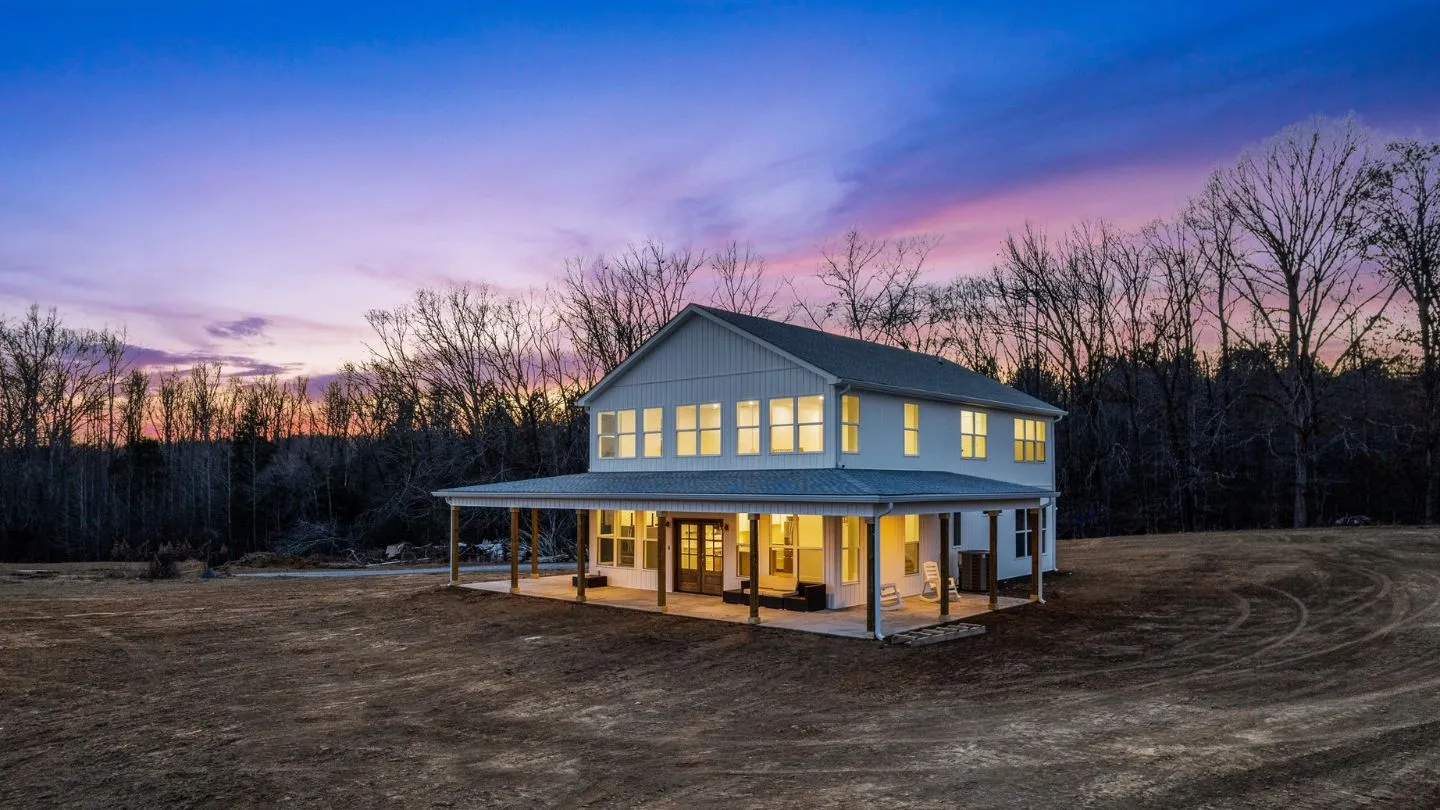
Building your dream home is an exciting journey, but it can feel overwhelming without a clear plan. That’s why we’ve created “A Step-by-Step Guide to the Home Building Process” to simplify things for you. This blog covers everything from securing the perfect lot to your final walkthrough. Learn what to expect, avoid common pitfalls, and make confident decisions at every stage of the process. Your dream home starts here!
Key Takeaways
- Start your home-building journey by consulting a seasoned real estate agent to gain insights into the local market and identify trusted builders.
- Securing the right lot and designing your home according to your vision and energy efficiency are crucial steps that set the stage for a successful build.
- Ensure compliance and quality by obtaining necessary permits, hiring a skilled building team, and undergoing inspections throughout the construction process.
Consult with a Real Estate Agent
Prior to embarking on the journey of constructing your home, it’s wise to seek advice from a local real estate agent. With their depth of knowledge and extensive network, these agents are indispensable for maneuvering through the intricate process of building a home. They’ll assist you in grasping the dynamics of the local property market, pinpointing prime neighborhoods, and can even steer you towards trustworthy builders and contractors. Through an analysis of more than 27 million transactions, discovering the most suitable real estate agent is achievable within two minutes.
Leading real estate professionals often endorse crafting a custom home because it allows for an expansive array of personalization options. Leading real estate professionals often endorse crafting a custom home because it allows for an expansive array of personalization options. From choosing your ideal layout to incorporating unique design elements, every detail reflects your vision. Building a custom home ensures your space perfectly fits your lifestyle and needs.
Secure Your Lot
Securing the perfect lot is the initial and concrete step in constructing your dream home. This ideal piece of land should satisfy not just your size criteria but also comply with local zoning regulations. A survey must be conducted on this chosen plot before any building activities commence to confirm that it fulfills all necessary requirements and is suitable for construction purposes. The importance of selecting an appropriate lot cannot be overstated, as it forms the foundation for the entire process of home building.
Making a thoughtful choice regarding your lot can expedite the building process while averting future problems down the line. You need to consider if its dimensions align well with both your preferred floor plan and anticipated outdoor areas. By meticulously choosing and acquiring an appropriate parcel of land, you are paving the way for a seamless construction experience that minimizes the chances of encountering complications later on in the development stages.
Read more: How To Find Land To Build A House: Essential Tips
Design Your Home

The construction design of your house is the stage where your dreams start to materialize. During this process, you have the opportunity to tailor your new home to mirror your personal tastes and principles. By partnering with custom home builders, you can devise a floor plan that optimizes space efficiency and practicality while infusing it with elements of your unique style. Prioritizing energy efficiency at this early design phase can contribute to substantial reductions in energy costs over time and increase living comfort.
Adopting a comprehensive approach to consider all aspects of energy consumption within the home is crucial. This includes analyzing appliance usage, insulation quality, and local weather patterns. Utilizing cutting-edge framing methods for homes alongside innovative cool roofing technology can significantly enhance how efficiently energy is used throughout the construction process. Employing passive solar strategies also helps leverage natural sources for heating and cooling, which sustains comfortable conditions year-round.
It’s essential not to forget that every component of your house, from choosing apt interior doors to picking out finishes, should be an expression of yourself as well as adhere faithfully to what you envision for our custom-built abode on its chosen site — align each choice made along the way with both these elements for coherence across your entire new residence.
Hire Your Building Team
Once you’ve settled on your design, the subsequent phase involves gathering your construction team. The primary professional to recruit is a general contractor or custom home builder who will be responsible for supervising the entire process of building your custom home. Custom home builders bring immense value as they are tasked with generating blueprints and navigating through the intricacies involved in crafting a bespoke residence, making sure every detail aligns flawlessly with your vision. On average, a typical house construction project engages about 22 different subcontractors specializing in various sectors of the build.
The journey from breaking ground to adding final touches encompasses numerous stages where expertise is vital not only for adherence to stringent building codes but also for guaranteeing superior quality throughout each stage of assembling your dwelling. Choosing seasoned professionals profoundly influences how effectively and successfully these aims are achieved during the course of constructing your abode.
An official city inspector will intermittently evaluate progress at distinct checkpoints to confirm that all aspects conform to local stipulations and established building regulations. This regulatory scrutiny upholds both safety norms and excellence benchmarks across all aspects of construction processes within residential development.
Read more: What to Expect When Building a Custom Home
Obtain Necessary Permits
It’s vital to secure the appropriate building permits before initiating construction work, as these permits confirm that your project adheres to established safety, design, and zoning guidelines. These permits are essential for validating that your plans align with the specific local requirements and regulations. Depending on your project’s needs, you may need various types of permits, which could include grading, electrical work, plumbing services, or septic system installations.
Being familiar with the process of acquiring these necessary permissions can greatly expedite progress and help avoid expensive setbacks. The cost associated with obtaining permits differs from one location to another. On average, they tend to spend around $1,300 on expenses. By tackling this task ahead of time, you can ensure that all mandatory paperwork is completed well in advance of breaking ground for construction purposes.
Prepare the Site
With permits in hand, the next step is to prepare the construction site. This involves clearing and leveling the land where your home will be built. The land-clearing team will remove debris, vegetation, trees, brush, and rocks to create a clean slate for construction. After clearing, they will also remove the stump and root systems to ensure a stable foundation.
Leveling the site involves filling holes, grading the land for flatness, and outlining the foundation area with stakes for visual guidance. Adequate site preparation ensures a smooth construction process and a solid foundation for your home.
Lay the Foundation
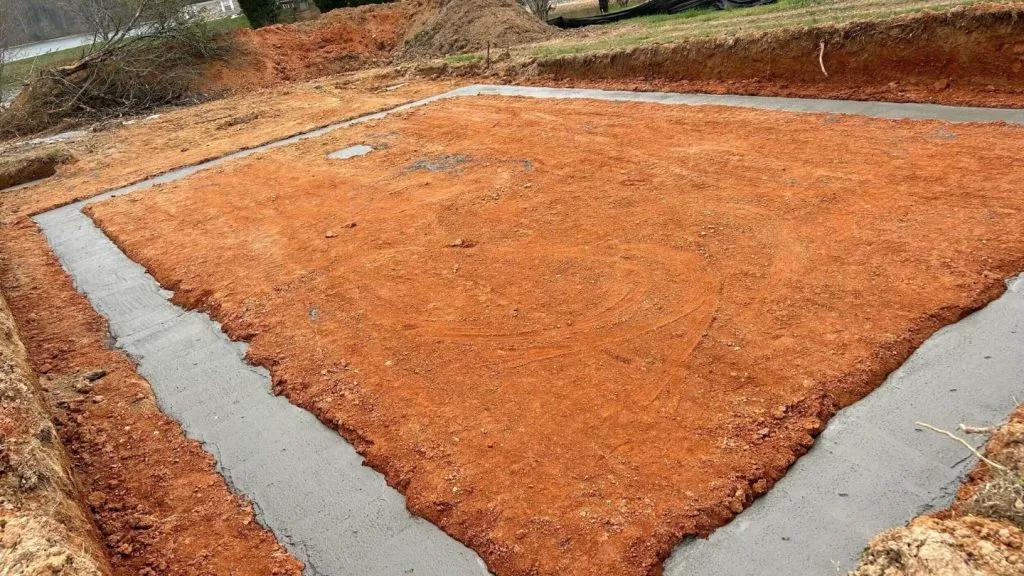
The foundation of your house, which serves as the critical support for its entire structure, is immensely important. You have a selection among various foundation types, such as slab foundations and those with crawlspaces or full basements. Concrete stands out as the predominant material employed in crafting these foundations. To ensure it attains maximum strength, attention to detail during the pouring and curing stages is vital. It’s imperative that basement walls are constructed correctly to preserve the overall structural integrity of the foundation.
It doesn’t matter what kind of foundation you opt for. Waterproofing it against moisture ingress is an absolute necessity. The installation of footing drains plays a significant role in rerouting water away from your dwelling, thus safeguarding it from any resulting damage.
Initiating construction with laying down a sturdy foundation lays an indispensable groundwork upon which every other component of your home will be established.
Frame the Structure
Framing the structure is where your home starts to take shape. The framing crew will assemble lumber for the walls, flooring, ceiling, and roof trusses. This will form the skeleton of the house. This stage usually takes one to two weeks to complete. Framing materials typically consist of wood, engineered wood, or structural steel.
Light-frame construction, which uses smaller and more numerous supports, is the primary method used in modern house building. Vertical framing elements, known as studs, provide structural support for exterior and interior walls. Bracing is essential in wall framing to resist lateral forces and ensure structural integrity.
Applying sheathing to exterior walls adds structural strength and provides a base for exterior finishes. Proper framing enhances the overall energy efficiency and durability of your home’s exterior sheathing construction, including house wrap.
Install Roofing and Exterior Doors
The committee has given the project authorization to proceed, opening up the pathway for us to enter into the subsequent phase of our development initiative.
With the structural framework now established, we will embark on setting up both roofing and exterior doors. We have a variety of materials at our disposal for roofing, such as asphalt composite shingles, metal sheets, wood shakes, and tiles made from clay or concrete. The widespread choice is asphalt shingles due to their cost-effectiveness and straightforward installation process. They typically offer serviceability spanning 12 to 30 years. Conversely, metal roofs are prized for enduring quality with a potential lifespan ranging from 30 to even beyond 75 years in certain cases.
Following this step involves undergoing a curing procedure: specifically working with oriented strand board (OSB).
A summary of commonly employed roofing materials includes:
- Asphalt composite shingles, which are economical and simple to install, last anywhere between 12 and 30 years.
- Metal rooftops are notable for their robustness, potentially serving well over a half-century mark in some instances.
- Traditional options like wood shakes.
- Tiles crafted out of either clay or concrete material.
As previously noted, following the construction of framing comes fixing the roof coverings along with mounting external doorways.
Exterior doors not only contribute significantly towards bolstering home security but also play roles in insulation enhancement and visual improvement. When installed correctly, these portals aid substantially in sealing off air leaks, thereby amplifying energy efficiency within homes. By selecting resilient materials that confer substantial efficacy levels pertaining to your building’s outer entrances plus its capstone elements, you ensure an environment marked by heightened safeguarding alongside comfort retention over time.
Rough Plumbing, Electrical, and HVAC Systems
After the exterior of your home has been secured, it’s crucial to focus on installing key systems that make the house operational. This includes the rough plumbing phase, which involves setting up water supply lines for different plumbing fixtures, vents, and sewer lines. At this stage in construction, bathroom amenities such as sinks and toilets are placed.
Once framing is complete, electrical contractors begin threading wires for lighting fixtures and power outlets through interior walls, along with ceilings and floors. The overall process of completing electrical work culminates with fitting wall plates and finalizing the installation of light fixtures by finishing off the electrical panel.
Finally, implementing an HVAC system requires meticulous placement of ductwork throughout your residence alongside air handlers and condensing units essential for air conditioning. Ensuring these components are installed correctly is vital not just to achieve energy efficiency but also to maintain a comfortable living environment within your home.
Inspections
The inspection stage is a vital element in the construction process of a home, confirming compliance with local building codes and adherence to safety regulations at each step. For instance, inspectors assess the reinforcement bar placement and footing dimensions during the foundation inspection prior to pouring concrete. The aim here is to certify that the base of the home is both structurally reliable and fulfills all pertinent local stipulations.
During construction, plumbing systems are thoroughly evaluated for any potential leaks, while pressure tests on drainage, sewage, and vent pipes are conducted. Similarly, inspections of electrical installations along with heating, ventilation, and air conditioning (HVAC) setups guarantee their proper installation. These meticulous checks uphold stringent quality standards throughout every phase of building your home, ensuring its durability over time.
Install Insulation
Adding insulation to your residence can improve both comfort and the efficiency with which energy is used. There are various insulation types like fiberglass, cellulose, and foam spray, each possessing unique advantages and differing in price range. For instance, due to its cost-effectiveness, fiberglass is a popular choice. For superior thermal resistance, albeit at an increased expense, spray foam insulation stands out.
For optimal results in energy conservation efforts, it’s crucial to place insulation within the exterior walls as well as attics, above garage floors, and around foundations. To boost energy savings even more. One might consider employing additional insulating materials such as rigid foam or panels made of cellulose fiber.
By effectively insulating your abode, you ensure that during winter months, warmth is retained while summer heat is kept at bay—this leads not only to heightened levels of indoor comfort but also significant reductions in expenses related to household energy consumption.
Hang Drywall
Following the insulation process, it’s necessary to install drywall over the interior walls and ceilings as a precursor to painting. Ensuring precise measurements of the area intended for coverage is essential before cutting pieces of drywall for an accurate fit. Initially attaching the drywall with nails followed by screws reinforces its placement, while leaving a half-inch space above floor level safeguards against potential moisture-induced harm.
Spacing out drywall screws at 16-inch intervals along wall studs secures the panels effectively. Reinforcing corners with either metal or vinyl corner beads guarantees their integrity against incidental knocks. When executed correctly, this stage culminates in a seamlessly smooth and robust surface that prepares interiors for subsequent finishing touches.
Interior and Exterior Finishes
Adding interior and exterior finishes to your home serves as the capstone, elevating both its appearance and practicality. Ensuring that exterior doors are fitted with suitable weather stripping improves energy conservation while guarding against unwelcome air infiltration. A variety of siding choices, along with diverse options for exterior trim, present tailored construction possibilities. Notably, vinyl siding is prevalent in both spec homes and tract housing developments.
At this juncture, interiors are enhanced with installations such as elegant hardwood floors, plush carpeting, durable countertops, stylish cabinets, and secure doors. Opting for uniform metal finishes on fixtures can create a seamless visual flow throughout the dwelling.
Making decisions about high-caliber finishes in areas like kitchens and bathrooms plays a pivotal role in determining not just the financial investment but also the project timeline.
Making decisions about high-caliber finishes in areas like kitchens and bathrooms plays a pivotal role in determining not just the financial investment but also the project timeline.
Read more: How Home Contractors Can Help You Create a Functional and Stylish Kitchen?
Install Flooring and Cabinetry
After the paint is set and dry, the next step is to lay down flooring in the entire residence. Owners of custom-built houses have a vast selection at their disposal for this purpose. Choices include hardwood, tile, and carpeting. Subsequently, installation proceeds with cabinetry and vanities throughout the home. Kitchen installations continue with countertops, followed by appliances. The cost of bespoke cabinets can fluctuate widely from $500 to $1,200 per linear foot based on material quality and workmanship involved.
The decisions made concerning both flooring and cabinet selections are critical as they greatly contribute to enhancing your home’s atmosphere by offering practicality alongside visual charm. Opting for superior materials coupled with expert fitting not only assures lasting endurance but also preserves the enduring allure of these features within your living space.
Final Mechanical Trims and Fixtures
Once the primary construction efforts have concluded, the installation of the final mechanical trims and fixtures takes place. This encompasses a variety of elements such as outlets, switches, light fixtures, faucets, showerheads, toilets, and covers for heat registers. These components offer an opportunity to infuse your home with your individual style and serve as pivotal final touches.
Ensuring that these mechanical trims and fixtures are well-installed is crucial both for enhancing the visual attractiveness of your space and for maintaining the operation of vital mechanical systems throughout your home. Meticulous attention during this stage assures that all aspects of your residence function in unison without any hitches.
Landscaping and Exterior Walkways
Landscaping and exterior walkways are vital for enhancing the curb appeal and functionality of your home. Hiring a professional landscaper can help you install sod, plant trees and flowers, and create attractive outdoor spaces. Landscapers can also build walkways, decks, patios, and garden walls, providing both beauty and practicality.
Adequate land grading ensures proper drainage and landscape longevity. Thoughtfully designed landscaping and walkways create a welcoming environment and add value to your property.
Final Inspection and Walkthrough
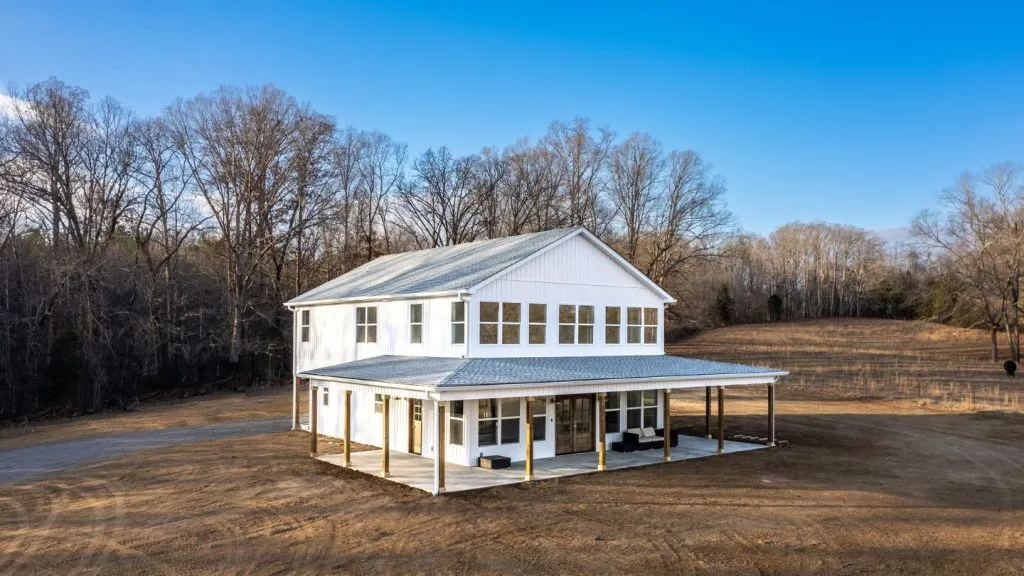
Before settling into your new home, the final inspection and walkthrough serve as essential steps to ensure everything is in order. The final inspection verifies that all elements of the house are operating correctly—this includes structural integrity, mechanical systems, and electrical components. Once this inspection has been passed successfully, you will receive a certificate of occupancy from the local government.
The last chance for homeowners to familiarize themselves with how their house functions and pinpoint any areas requiring attention is during the final walkthrough. This involves checking each appliance and fixture to confirm they work flawlessly, so you can be confident when it’s time to move in.
Read more: Essential Questions to Ask a Builder When Building a Home
Wrapping Up Your Home Building Journey
Building a home is an exciting yet complex process, but understanding the steps involved can make it feel much more manageable. From initial planning and design to selecting materials and completing construction, this guide has broken down each stage to help you feel confident and prepared as you take on this rewarding adventure.
When it comes to new home construction in Cleveland, Ooltewah, Bradley County, Athens, Ocoee, TN, and the surrounding areas, we stand out as a trusted partner. With a focus on expert craftsmanship, transparent communication, and timely delivery, Concord Homes is here to bring your dream home to life. Now is the perfect time to take the first step toward creating a space that truly reflects your lifestyle and values. We offer a wide range of options to suit your vision, whether you’re exploring available properties, or dreaming of an individual custom home. Let’s work together to make your vision a reality! Contact us today to get started!
Frequently Asked Questions
What should a house reflect?
Your house should truly reflect your lifestyle and personal values, making it a space that feels uniquely yours.
How can consulting with a real estate agent benefit the home-building process?
Working with a real estate agent can really streamline your home-building experience by offering expert advice, useful connections, and valuable insights. This helps ensure everything goes smoothly and efficiently!
What is the importance of obtaining necessary permits?
Getting the right permits is crucial because it keeps you compliant with safety and zoning laws, helping you avoid legal headaches and ensuring your project runs smoothly. Don’t skip this step if you want peace of mind!
How can you stay within budget when building a house?
Staying within budget requires careful planning, clear priorities, and regular communication with your contractor. Track expenses closely and be prepared to make adjustments when unexpected costs arise.