
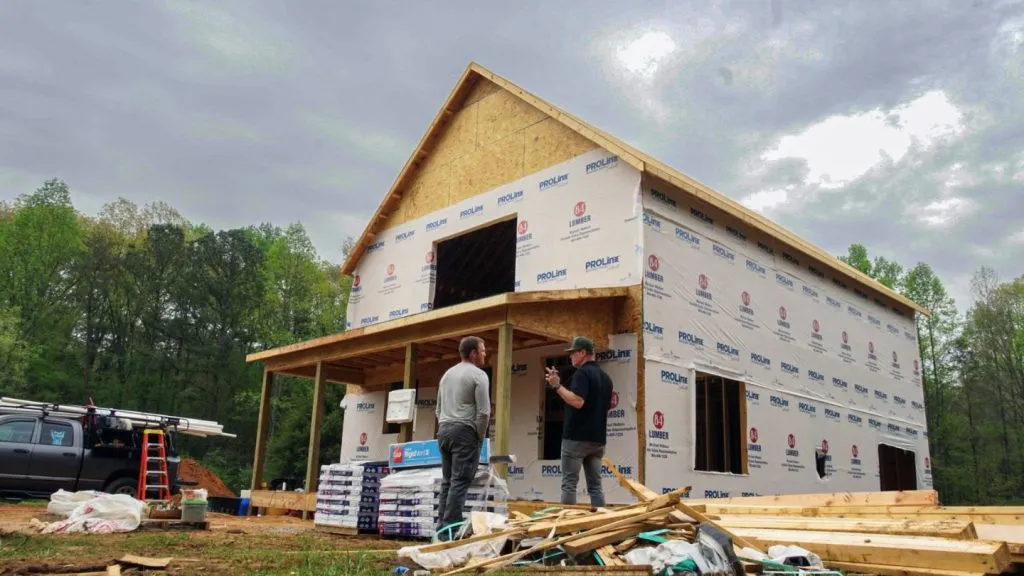
Building a home is an exciting journey, but it’s important to understand the time it takes to bring your dream house to life. On average, it takes about 7 to 12 months to complete, though this can vary depending on factors like home type, weather, and material availability. Planning ahead can help you avoid delays and set realistic expectations. In this blog, we’ll break down the steps of home construction, average timelines for different types of homes, and the key factors that can impact the overall process. Let’s dive in!
Key Takeaways
- Establishing a clear budget and plan is essential to avoid delays and unexpected costs during the home construction process.
- The average construction time varies by home type: custom homes take about 8-18 months, semi-custom homes take 6-12 months, and spec homes can be completed in 4-6 months.
- Factors such as material availability, labor shortages, and weather conditions can significantly impact construction timelines, necessitating effective management to mitigate delays.
The Home Building Process: Step-by-Step Overview
Grasping the intricacies of the building process is crucial for successful planning, budget adherence, and relishing in the experience of constructing your dream home. The initial step is to determine a financial plan that matches the vision of your future house with what you can afford. An undefined budget may invite unforeseen expenses that could significantly disrupt progress and timing.
After establishing your budget, it’s time to craft an elaborate blueprint for construction. This phase involves choosing a parcel of land—a task fraught with potential complications such as zoning regulations, access to utilities, and appropriateness for building, which requires careful consideration alongside guidance from a real estate professional and builder candidate. Then comes one more formidable challenge: securing financing tailored specifically towards new constructions, which demands higher down payments and stringent credit qualifications, unlike those associated with buying pre-existing homes.
Having obtained necessary funding support, attention shifts toward designing stages where making early decisions expedites proceedings ahead. Preventiveness proves beneficial throughout subsequent steps. Maintaining flexibility remains vital too—anticipating smooth adaptation amid any surprises encountered during this journey enhances efficiency when facing unplanned predicaments later on. With designs set in stone along with permits secured at hand, the transformational stage kicks off as actual construction begins, converting dreams into tangible structures brick by brick.
Read more: Understanding the Role of a Home Construction Company in Custom Home Design
Average Timeframes for Different Home Types
The construction timeline for a house can fluctuate widely depending on the kind of home that is being built. Understanding these variances is crucial for setting feasible expectations and making appropriate plans. Different types, such as custom homes, semi-custom homes, or spec homes, each follow their own specific building timelines.
Custom-built houses allow for extensive customization, but typically have the longest completion timescales. Semi-custom homes strike a balance between personalization options and construction efficiency, which makes them an appealing choice for numerous homeowners.
On the other hand, builders pre-design spec homes, which provide the fastest path to owning a house. We will explore average durations associated with constructing each type of home in order to give you an idea of what timeframe one might anticipate.
Custom Homes
Constructing a custom home is an intimately tailored process where the property owner works alongside a contractor to craft a distinctive dwelling that caters to their specific desires and lifestyle. This venture, while fulfilling, is also among the most time-intensive endeavors. Typically, it takes slightly over 12 months on average to erect such a dwelling, with timelines stretching from 8 up to 18 months based on how intricate the design plans are and any extra personal touches.
The protracted duration of building can often be attributed to detailed attention and extensive customization inherent in sophisticated designs. The careful selection of ideal materials for construction, adherence to regional building regulations, and securing all required permits demand thorough organization and careful implementation.
Despite this prolonged build period, the ultimate outcome is your envisioned abode—a space emblematic of your taste that accommodates your distinct necessities.
Read more: What to Expect When Building a Custom Home: A Step-by-Step Guide
Semi-Custom Homes
Semi-custom homes offer an intermediate option that sits between the complete personalization of custom homes and the predetermined nature of spec homes. This choice enables homeowners to tailor specific features, taking advantage of a more efficient building process at the same time. Typically, constructing a semi-custom home takes anywhere from half a year up to one full year, striking a balance between individuality and swift completion.
Opting for this type provides access to preset floor plans with opportunities for customization in areas like interior finishes and various fixtures. Although these modifications are more limited than what’s possible in fully custom houses, they significantly shorten the construction timeline, making them appealing for individuals eager to settle into their new residence sooner rather than later.
Spec Homes
Developers construct speculative homes, also known as spec homes, to sell them once they are completed. These homes are built with the general market in mind and offer minimal customization possibilities, if any. One of their primary benefits is the rapid construction timeline. These houses usually reach completion within a span of 4 to 6 months.
The construction process for spec homes is streamlined because the builder makes all design choices in advance. Although this results in fewer opportunities for personalization compared to custom or semi-custom homes, it significantly shortens the time before occupancy.
For individuals who desire a brand-new home without an extended wait period, purchasing a spec home can be an attractive option.
Read more: What’s the Difference Between a Spec Home and a Custom Home?
Factors Influencing Construction Timelines
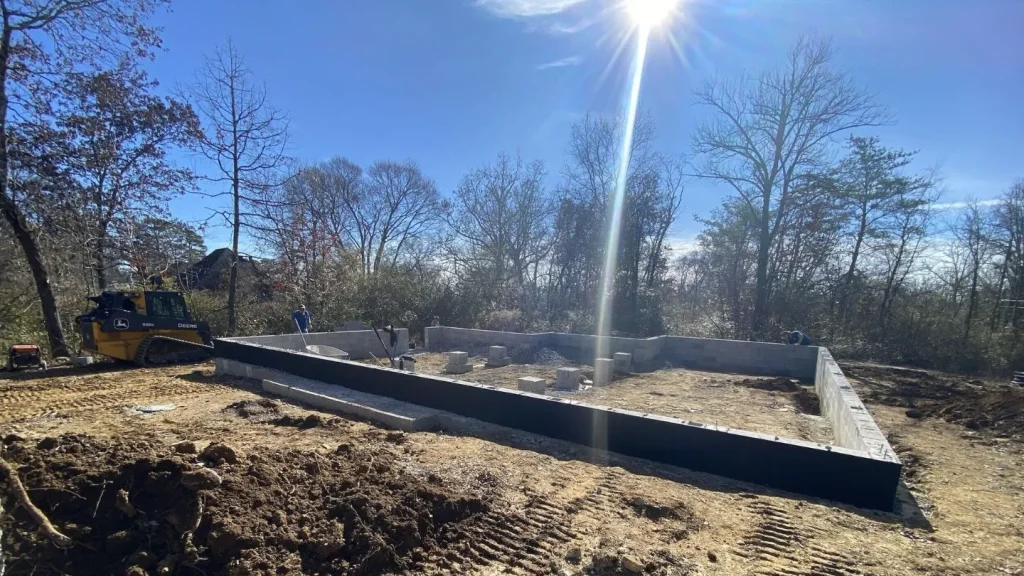
The timeframe for building a new home can be affected by several variables. Being aware of these elements helps with setting realistic expectations and better planning. The construction timeline is significantly influenced by the accessibility of building materials, workforce availability, and prevailing weather conditions.
Homes that are larger or have more complex designs typically require more time to build due to their intricate nature and the greater quantity of materials needed. Skilled builders tend to handle pre-construction challenges with greater efficiency. They can face holdups caused by slow permit approvals or inspections bogged down due to heavy workloads and copious paperwork, particularly when constructing elaborate homes involving numerous parties.
In forthcoming sections, we will delve into how shortages in both the labor force and materials commonly precipitate delays during the process of erecting new houses.
Availability of Building Materials
The availability of materials is a critical factor that influences the construction timeline for projects. When there are shortages of essential materials or issues with transportation, they can result in significant delays. To reduce the chances of such delays, it’s beneficial to select materials that are easily accessible. Certain design specifications might necessitate specific materials, which could complicate and prolong the schedule.
Adhering to conventional construction techniques involving concrete may lengthen the duration needed for building due to its intricate forming process. Any mistakes regarding supplies or setbacks in material delivery can cause frustrating disruptions and push deadlines within the construction industry.
When material scarcities occur or when there are unexpected lags in supply chains, these challenges inevitably contribute to extended timelines for building projects as well as unforeseen complications throughout the construction process.
Labor Availability
The availability of skilled labor is another crucial factor that affects construction timelines. Labor shortages significantly contribute to construction schedule delays due to a lack of skilled workers. Managing subcontractor schedules and ensuring effective team communication is crucial to avoid cascading delays.
Poor communication and insufficient workers lead to misunderstandings and project errors, exacerbating delays. A general contractor with a reliable network of skilled laborers and subcontractors helps keep the project on track and mitigate potential delays.
Weather Conditions
The timeline for building a new home can be heavily impacted by weather conditions. Extreme temperatures, strong gusts of wind, or intense rain can interrupt the construction process and potentially damage materials, resulting in extended build times.
Early stages of the construction process, such as preparing the site and laying the foundation, are particularly vulnerable to delays caused by inclement weather. Having contingency plans for these types of setbacks is essential to keeping the project on track.
By recognizing patterns in local climate and scheduling construction work during periods with more agreeable weather, disruptions can be minimized.
Regional Differences in Build Times
The duration of the construction process for a new home is heavily influenced by regional variables. On average, building a house in the United States takes around seven months. This timeline can fluctuate significantly based on the specific type of construction and regional circumstances. Depending on these factors, the time frame for constructing a home can shift markedly within just a few months. If you are curious about how long it takes to build a house, keep in mind that there is great variability.
Several key elements influence how quickly or slowly a new home construction project progresses.
- Weather conditions
- Compliance with local building codes
- Availability of materials
- Workforce availability
Each one of these aspects has notable effects on the amount of time needed to finalize new home constructions.
When homes are erected in remote areas where material and labor transportation becomes challenging, extended timelines may be required for completion. Seasonal changes, such as heightened demand from subcontractors during warmer seasons, could lead to limited builder schedules and subsequently delay progress.
Variations in environmental context, locally enforced rules and regulations, and differing types of buildings collectively steer residential development schedules that change considerably across various regions.
Permits and Authorization
Obtaining building permits is an essential phase in the construction process, and the duration needed to acquire them can differ greatly. Simple projects may result in permits being issued within a few days, while more complex ones could require months of waiting. Permit acquisition times often extend due to a large number of applications, limited staff at the local building department, or the complexity of the project itself.
Delays are sometimes caused by designers who lack experience and fail to provide all necessary details for approval. Inadequate communication between those involved in construction might worsen these hold-ups. To ensure efficiency during this stage and maintain progress on your building endeavor, it’s important to have a good grasp of how permit procedures work and engage proactively with your local building department.
Read more: What Do You Need to Know About Home Construction Safety?
Key Stages of Home Construction
The construction process of a home is composed of various essential steps, all pivotal to the overall building journey. It is beneficial for you to comprehend these phases in order to keep track and actively participate from commencement to completion. The principal stages encompass:
- Preparing the site and laying down the foundation
- Erecting the frame and applying exterior finishes
- Installing mechanical systems
- Placing insulation and mounting drywall
- Implementing interior finishes alongside fixtures
Each part of this sequence has specific responsibilities and timeframes. Setbacks in any phase can have repercussions on the following ones. Close collaboration with your general contractor, combined with maintaining awareness about progress, ensures that your project adheres to its timeline while fulfilling what you envision for it.
Read more: Building Your Dream Home: A Step-by-Step Guide to the Home Building Process
Site Preparation and Foundation
The initial phase of home construction includes reading the site and establishing the foundation. The process of preparing the site requires removing barriers such as trees and boulders, smoothing out the terrain, and installing utility trenches. Securing all necessary permits is also an essential part of this preliminary stage.
Creating a solid base for the house is paramount when it comes to laying down foundations. There are different types of concrete slab or block foundations that come with their own set of standards and timeframes for installation. Typically, constructing a foundation ranges from one week to a full month based on selected materials and design intricacies. In contrast, preparation of the site spans 1-3 weeks.
Proactively managing both soil conditions at your build location can be crucial in averting potential hold-ups during these foundational stages of construction work.
Framing and Exterior Finishes
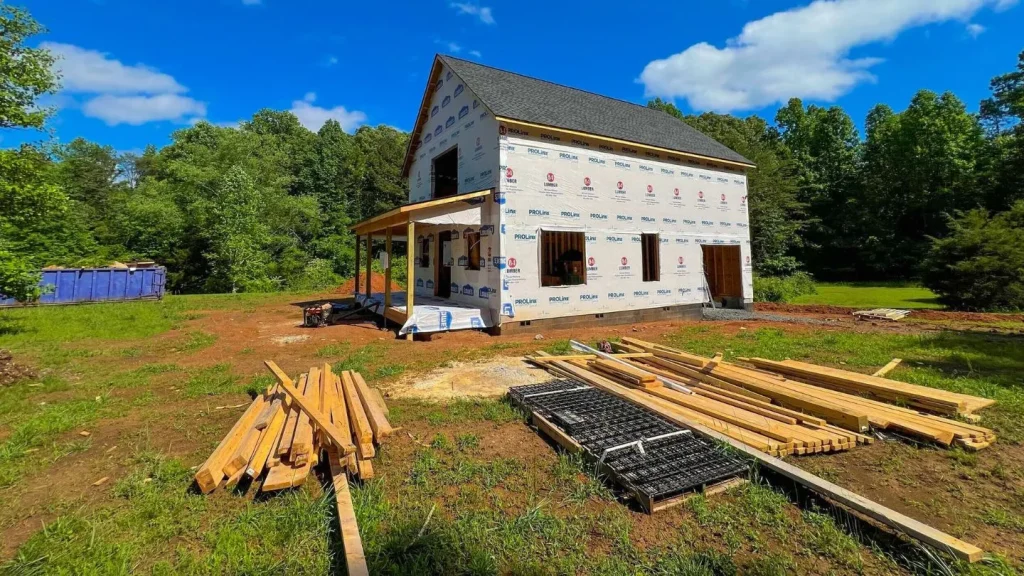
After the local building department inspects and gives its approval for the foundation, construction of the house’s frame commences. This critical phase forms the physical contour of your domicile by erecting walls, laying floors, crafting roof structures, and establishing a solid scaffold that upholds all parts of the residence.
Subsequent to setting up the framework, implement exterior finishes that define your home’s external charm. The application involves materials like siding, bricks, stonework, or roofing materials—elements fundamental in enhancing visual appeal while safeguarding against weather conditions. Seamless progression during this phase can be achieved through effective collaboration with local building authorities and commitment to high-quality construction materials.
Mechanical Systems Installation
Incorporating mechanical systems is a pivotal phase in the construction of homes, encompassing the integration of plumbing, heating mechanisms, and electrical conduits. These components are vital for rendering the residence operable. The fitting process also involves setting up HVAC apparatus and water-heating units to provide ease and comfort.
Before occupancy, it’s imperative to conduct trials on the HVAC setup to confirm its proficient performance. Concurrently, careful placement of plumbing fixtures along with precise installation of electrical frameworks is indispensable to ensure both functionality and safety within the home.
Insulation and Drywall
During the seventh to eighth weeks of building a home, insulation is typically installed within the walls and ceilings as part of the construction process. This addition significantly enhances energy efficiency, promoting both comfort and cost savings by helping maintain consistent indoor temperatures while minimizing long-term energy expenses.
Subsequent to insulating the home, drywall panels are hung, which then leads into taping and mudding activities necessary before painting can commence. The correct installation of drywall not only bolsters structural robustness but also influences visual attractiveness, paving the way for an array of finishing touches on the interior design.
Interior Finishes and Fixtures
The stage of interior finishes and fixtures is pivotal in transforming your house into a welcoming abode. It entails the installation of various elements such as cabinets, lighting, flooring, and additional decorative components that contribute to the home’s visual appeal. Following drywall installation comes painting, which establishes a foundational backdrop for designing the rest of your interior walls.
During this phase, intricate carpentry work, including trim and molding installation, not only elevates the aesthetic charm but also enhances functionality within your home. It encompasses fitting plumbing fixtures to complete vital household systems ahead of the ultimate inspection and subsequent occupancy. Meticulous collaboration with your general contractor, along with scrupulous attention during this juncture, can greatly influence how gratified you are with your finished residence.
Common Causes of Construction Delays
Setbacks are frequently encountered during the construction process, stemming from a variety of causes. Notable reasons for delays include:
- Miscalculated budgets that may bring construction to a standstill if funding is inadequate, necessitating a pause in building activities until extra financing can be obtained.
- Slowness in obtaining required authorizations can cause interruptions to the ongoing construction work.
- Complications with design plans underline the importance of making prompt decisions.
Recognizing these issues plays an integral role in controlling and reducing lags within building projects.
Additional factors such as adverse weather conditions, lack of materials, and unexpected events also contribute to hold-ups. Hesitation or delayed material selections by buyers extend the duration of the building procedure. It’s imperative to maintain orderliness and resolve.
Minimizing build time involves eschewing disorderly practices while fostering effective communication among all participating groups. Homeowners should anticipate potential snags by planning ahead and establishing backup strategies that are ready for any disruptions during their build journey.
Read more: How to Avoid Construction Project Delays?
Final Steps Before Moving In
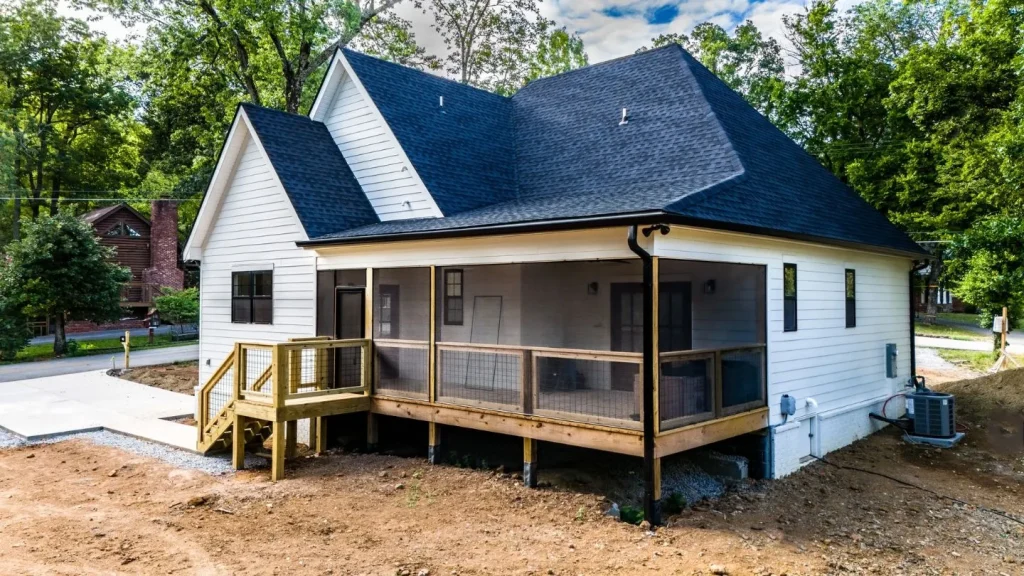
Prior to moving into your brand-new home, there are essential steps that need to be taken. The house undergoes final inspections to confirm that the building adheres to all applicable local building codes and is fit for occupancy. Following a successful inspection, you will receive an occupancy certificate, which grants you legal ownership of the newly constructed residence.
As part of the closing process, important documents must be signed, financial arrangements finalized, and keys transferred so that you may take possession of your new property. Conducting a walk-through with the builder gives insight into how various systems function within the house and allows for verification that construction has been completed satisfactorily.
This last opportunity during your final walk-through provides time to scrutinize fixtures and appliances closely, spot any damages or imperfections present in the construction, and raise issues or requests pertaining to repairs needed. Effective dialogue with those responsible for constructing your home plays a pivotal role in diminishing stress associated with relocating and contributes towards ensuring a seamless transition into your new abode.
Is It Worth the Wait?
Constructing a custom home allows for an unmatched level of customization not available with the purchase of a pre-existing residence. You can select the building materials and dictate every detail of your house’s design to suit your individual tastes. New constructions are less prone to immediate maintenance issues than older properties that might need significant refurbishment.
Although the process involved in erecting a new home may be extensive and time-consuming, its advantages frequently surpass any inconvenience caused by longer timelines. Opting to build rather than buy can also alleviate the fierce competition often encountered in markets for already existing homes.
To summarize, choosing to erect a bespoke dwelling delivers personalized options, prospective benefits regarding upkeep requirements, and potentially a smoother acquisition experience due to diminished market rivalry—all compelling reasons considering it as an appealing pursuit.
Final Thoughts on Your Homebuilding Journey
Building a house is a significant endeavor, and the timeline can vary based on many factors. Elements like the complexity of the design, location-specific regulations, and even weather conditions all play a role in determining how long your dream home will take to complete. On average, a home can take anywhere from six months to over a year, depending on these variables and the level of customization involved. Patience and planning are key to ensuring a successful and satisfying homebuilding process.
If you’re looking for a trusted partner to bring your vision to life, Concord Homes is here to help. As a leading home construction company in Athens, Cleveland, Bradley County, Ooltewah, Ocoee, TN, and the surrounding areas, we focus on delivering unmatched craftsmanship, open communication, and timely results. If you’re dreaming of a custom home, we are dedicated to creating homes that reflect your style and needs. Reach out to us today and start this exciting journey. Let’s work together to make your dream home a reality!
Frequently Asked Questions
How long does it typically take to build a custom home?
Constructing a custom home requires a period of 8 to 18 months, with the duration being affected by factors such as the intricacy of the design and any extra personalized features. Hence, it is crucial to account for this length of time in your planning process.
What factors can delay the construction timeline?
Construction timelines can be delayed by factors such as adverse weather conditions, shortages of materials, labor availability issues, and delays in securing necessary permits. Addressing these factors proactively is essential for maintaining project schedules.
How can I ensure my home construction stays on schedule?
To safeguard the timeline of your home construction project, it’s essential to foster clear communication with your general contractor and make prompt decisions. Anticipating potential delays can greatly improve the advancement of your construction endeavor.
What are the final steps before moving into a new home?
Before you move into your new home, it is crucial to carry out final inspections, secure a certificate of occupancy, finalize the closing process, and conduct a final walk-through alongside the builder. By making sure these steps are accomplished, you will enable an effortless shift into your newly built dwelling.
Is building a home worth the wait compared to buying an existing home?
Constructing a new home certainly pays off with its ability to be customized to personal taste, the advantage of having fewer upkeep issues right away, and experiencing less rivalry when navigating the property market. Considering these advantages. To buy an already established residence may result in a more gratifying financial commitment.